
Last updated November 22, 2026
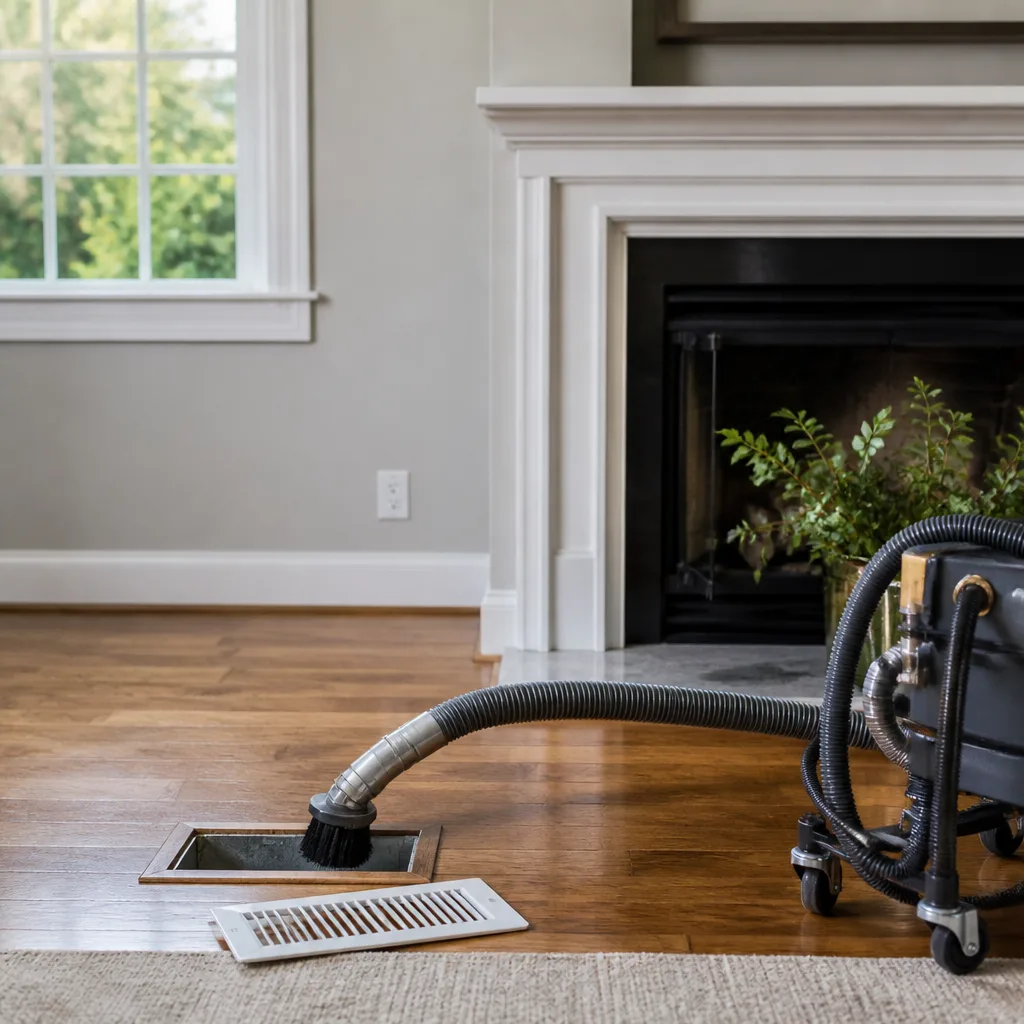 Whole-home duct cleaning
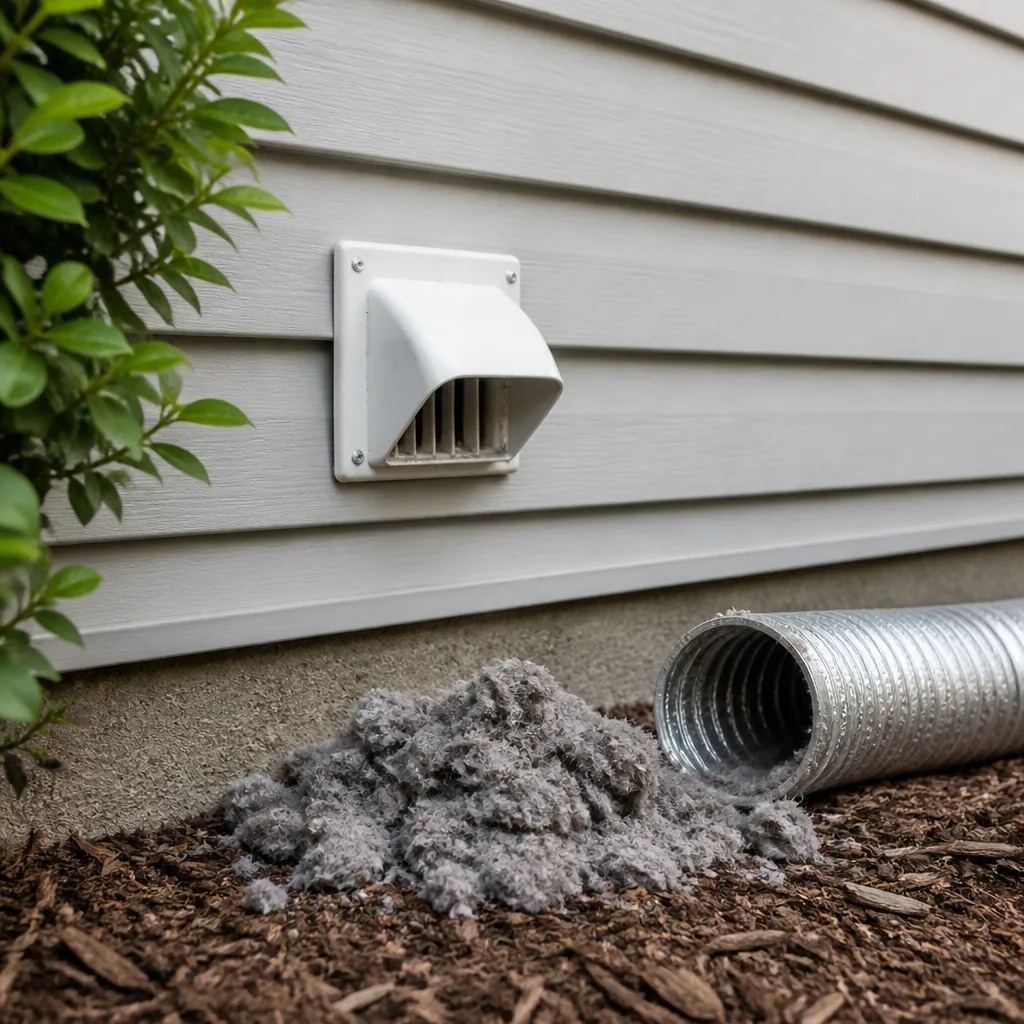 Dryer vent cleaning
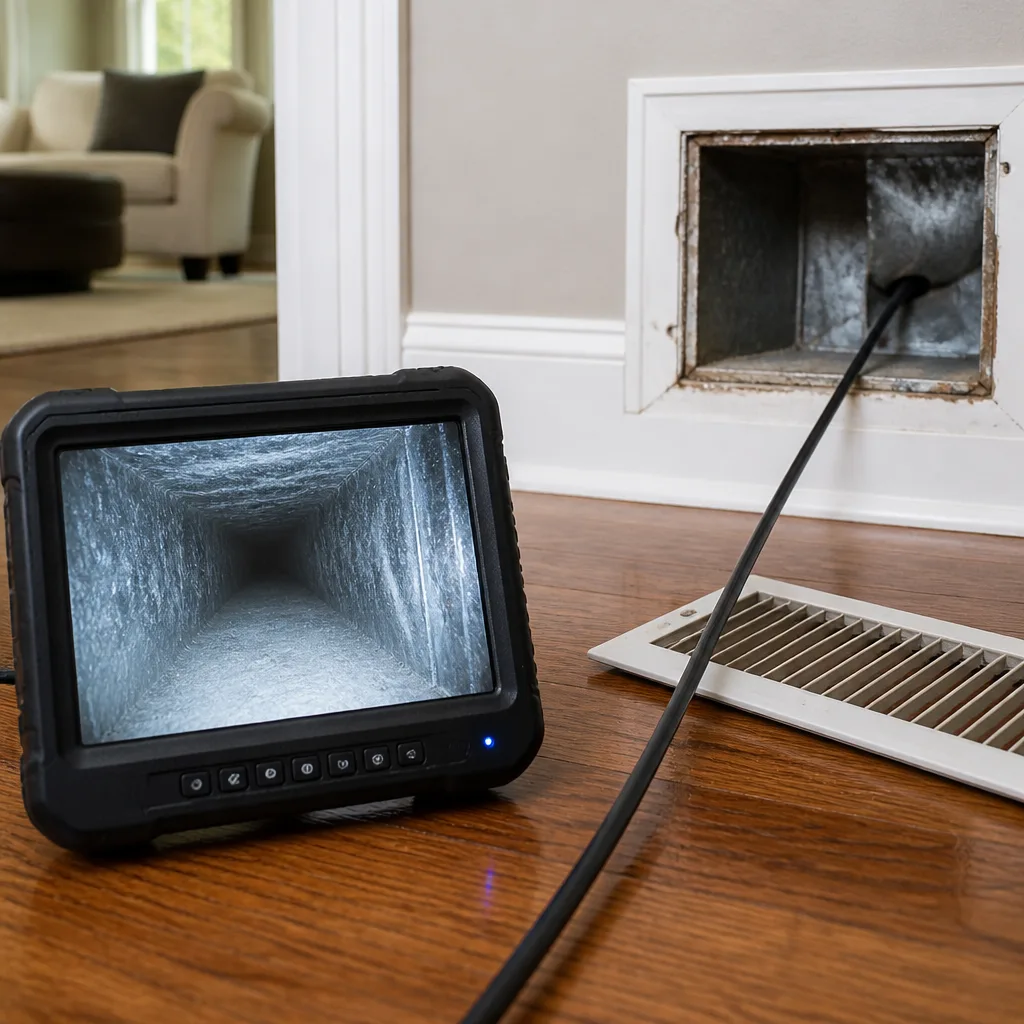 Camera inspection
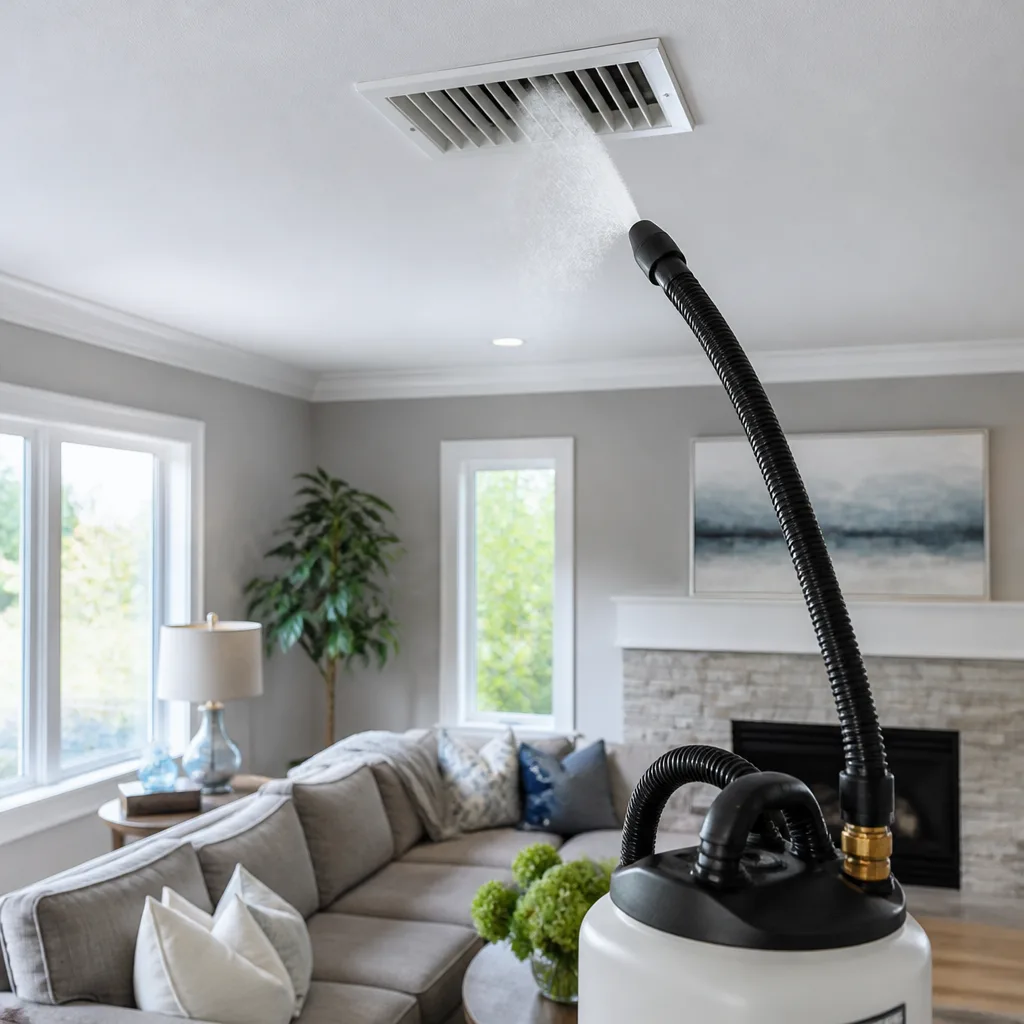 Sanitizing & deodorizing
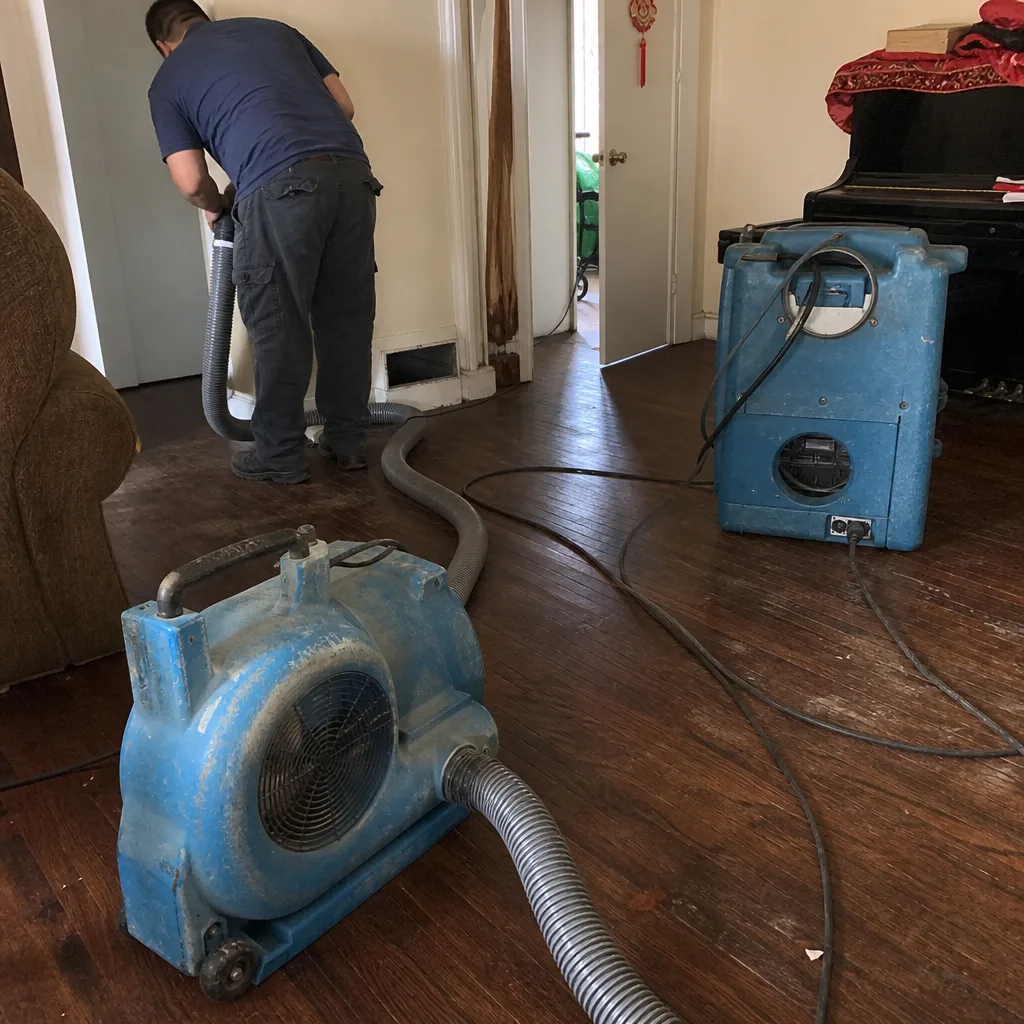
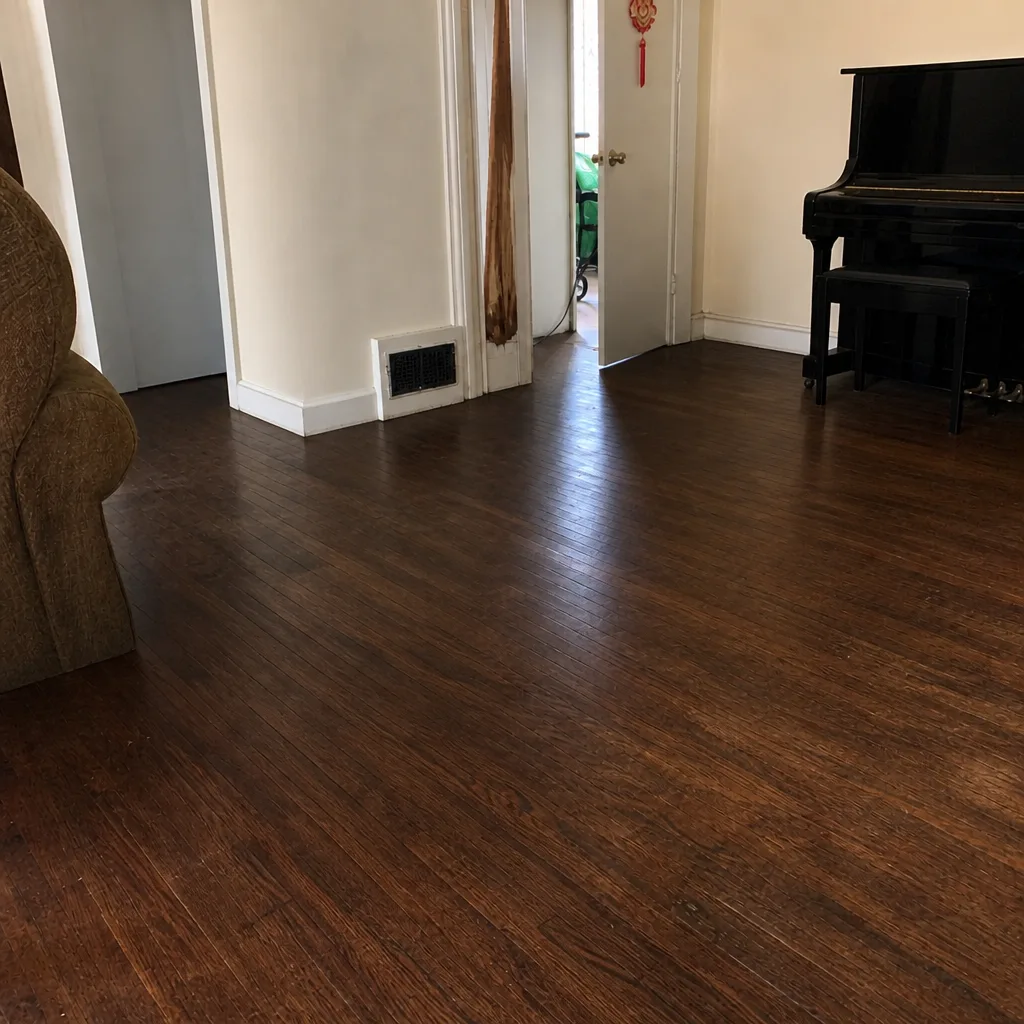
Whole-system duct and dryer vent check with before-and-after photos - you see exactly what came out of your vents
That "$99 whole-house special" is a bait ad - the real number appears once they are in your hallway, or the "clean" is a shop-vac at the register. We photograph the inside of your ducts before and after instead.
Seasonal Air Duct Cleaning Care for Sunset Park: Year-Round Homeowner’s Guide
The worst time to discover your ducts are pushing musty air is the first cold morning you run the heat in October. But that problem usually started in August, when summer humidity condensed inside ductwork that nobody had checked since spring. Most homeowners in Sunset Park think about duct cleaning once, usually after a visible dust plume or a bad smell, and then forget it. Seasonal care works the other way: it catches the conditions that create the problem before the system spreads it through every room. This guide maps specific maintenance actions to each condition Sunset Park throws at a home through the year, from harbor humidity to heating startup to spring pollen, so you can build a schedule that actually fits this neighborhood.
Quick Answer
Seasonal air duct care in Sunset Park means matching maintenance to how each season loads the system: inspect and clean before the first heating run in fall, check filtration and sealing through winter, watch for soot and pollen infiltration in spring, and manage humidity inside the ductwork through summer. A rolling 12-month log of what you checked and what you found is what makes each seasonal visit faster and more targeted than starting cold.
Styles & brands we work with
- Whole-home duct cleaning
- Dryer vent cleaning
- Camera inspection
- Sanitizing & deodorizing
Table of Contents
- Why Fall Is the Highest-Value Window in Sunset Park
- Winter: Combustion Byproducts and Reduced Ventilation
- Spring: Post-Heating Inspection and Pollen Infiltration
- Summer: Humidity Management Inside the Ductwork
- Building a Rolling 12-Month Maintenance Log
- The Seasonal System Check: A Step-by-Step Walkthrough
- Common Mistakes to Avoid
- When to Call a Professional
Why Fall Is the Highest-Value Window in Sunset Park
Fall is the single most valuable time to clean and inspect a duct system in Sunset Park, and it has nothing to do with the calendar on a brochure. It comes down to what happens the first time a home switches from cooling to heating. Before that first run, the system has sat through a humid summer with dust and pollen settled on every interior surface of the ducts. When the blower kicks on, all of it gets pushed into the living space at once.
We’ve seen this pattern repeat often enough that we now treat late September and early October as the highest-priority cleaning window of the year. Get ahead of the first heat run and you’re cleaning a settled system. Miss it and you’re cleaning a system after it has already distributed months of accumulated debris through every register.
What to Inspect Before the First Heating Run
- Return registers and grilles: pull them and look at the visible buildup. A caked return grille is a reliable signal the main trunk is loaded too.
- Filter slot and housing: check the filter is seated correctly and the housing isn’t warped or bypassing air around the edges.
- Duct joints and connections: run a hand along accessible joints in the basement or mechanical closet. Loose tape and separated sections leak conditioned air before it reaches a room.
- Visible interior surfaces: shine a light into accessible trunk sections and look for dust matting, discoloration, or moisture staining.
- Blower compartment: a dusty blower wheel throws debris back into the airstream no matter how clean the ducts are.
If you’re planning to have the work done properly, schedule it before the heating season, not during the first cold snap when you’ve already noticed the smell. Our air duct cleaning service is built around exactly this window, using professional-grade Rotobrush and Nikro equipment to extract what a shop vacuum can’t reach.
Winter: Combustion Byproducts and Reduced Ventilation
Winter concentrates everything in the duct system. Windows stay closed for weeks at a time, ventilation drops to near zero, and the furnace runs hard. If your home has any combustion appliance, whether a gas furnace, a water heater, or a cooking range, the air quality inside the envelope matters more in January than at any other point in the year. Combustion byproducts and a sealed, unventilated house are a bad combination.
We’re clear about what our work does and doesn’t do. Air duct cleaning and filtration upgrades help reduce particulate load in the airstream. They are not a substitute for proper venting, and they don’t make a combustion problem safe. If you ever smell exhaust or suspect a venting issue, that’s a call to a licensed HVAC or gas professional, full stop. What we can do is make sure the distribution system itself isn’t contributing to the problem with leaking joints, a clogged filter, or a blower that’s recirculating debris.
What to Check Through Winter
- Filter condition and MERV rating: check monthly. A high-MERV filter that loads up in three weeks is choking airflow, and a filter that’s bypassing at the edges is doing almost nothing.
- Return air leaks: a leaky return near a garage, crawlspace, or attic pulls unconditioned or contaminated air straight into the system. Seal it.
- Condensate and moisture: look for any dampness around the air handler. Winter dryness hides small leaks that summer will amplify.
- Register airflow: if some rooms feel starved while others are strong, the problem is often a leak or a damper issue, not the furnace.
This is also the season where filtration hardware pays off. We install and service Honeywell and Aprilaire filtration products because they’re the brands HVAC professionals specify nationwide, and they hold up through a hard heating season better than the box-store filter that gets swapped every other month.
Spring: Post-Heating Inspection and Pollen Infiltration
Spring in Sunset Park brings two things that matter for your ducts: soot and fine deposits left behind by a full heating season, and a heavy pollen load from the surrounding green space. The neighborhood sits close to Greenwood Cemetery and its corridors of mature trees, and the park spaces that thread through the area feed a serious spring pollen season. That pollen doesn’t just land on your windowsills. It gets pulled into the return system, and from there it distributes through every room.
This is why spring inspection is a different job than fall cleaning. In fall you’re removing the summer’s settled dust before it recirculates. In spring you’re checking what the heating season deposited, and evaluating whether filtration is actually catching the pollen load or just letting it through.
The Spring Check
- Inspect for soot deposits: look at the interior of accessible duct sections and around the air handler for fine dark residue. Any signs of soot are a reason to call in a professional, and a reason to have the combustion side of the system inspected separately.
- Replace the filter with your pollen season in mind: upgrade filtration if the ducts are visibly loading fast. Honeywell and Aprilaire filter media hold a rated spec through the season rather than degrading in a month.
- Check the outdoor air intake and returns near windows and doors: spring pollen enters through any leak in the envelope, and some of it enters directly through leaky return connections.
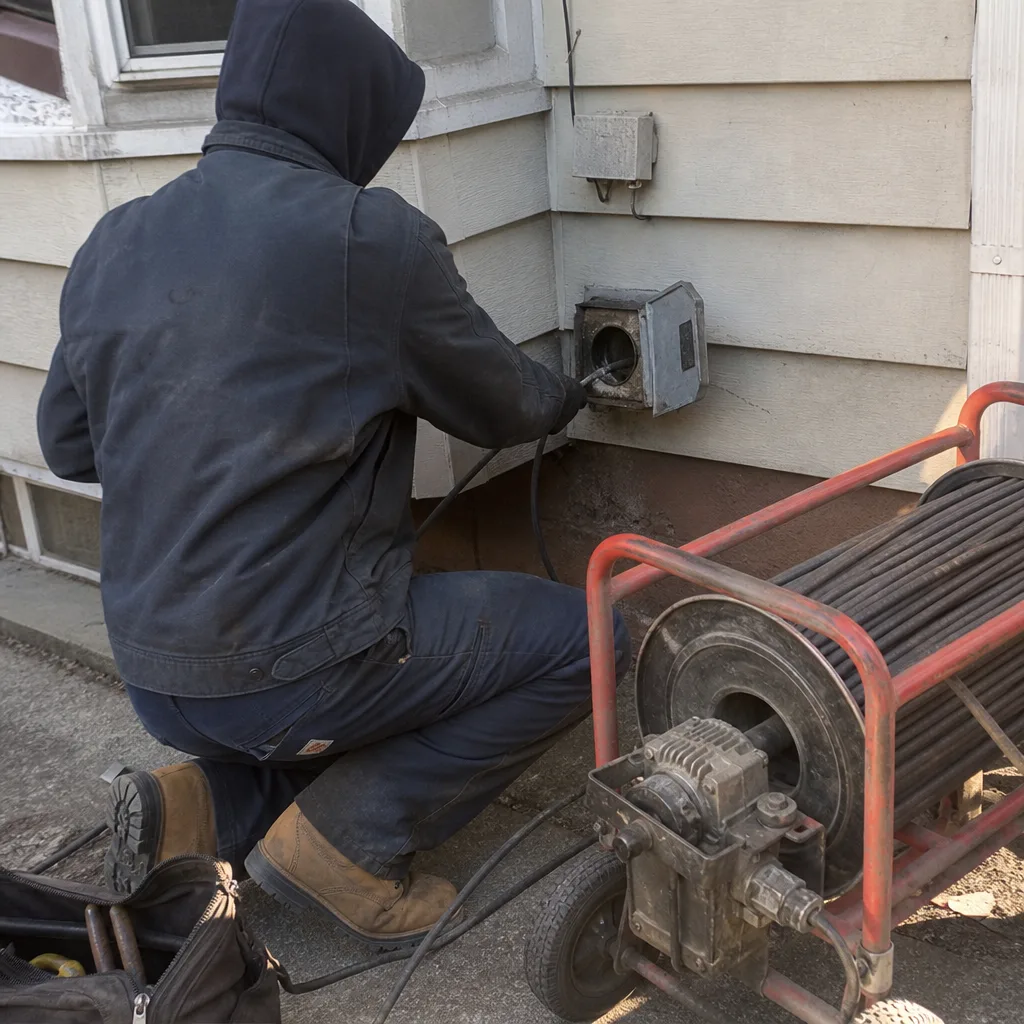
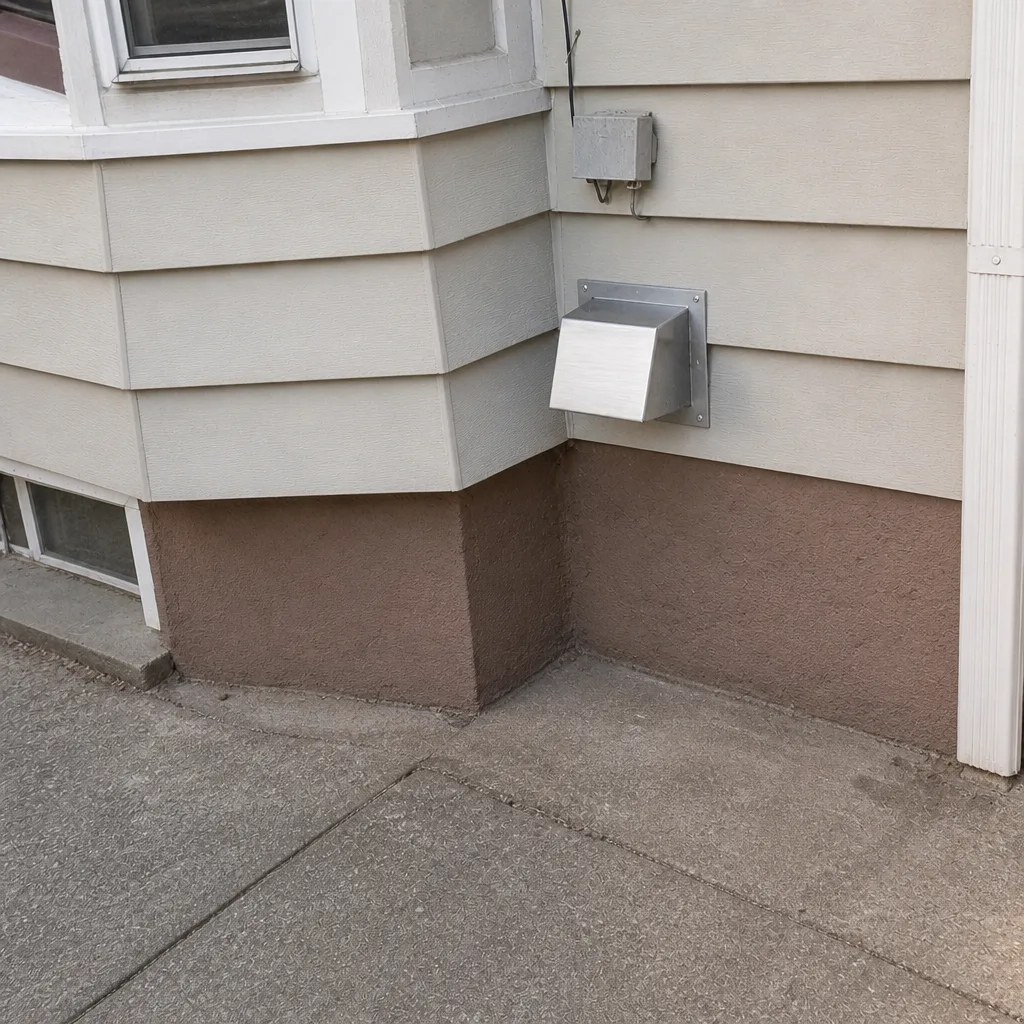
- Inspect the dryer vent: spring is a good time for dryer vent cleaning, because lint load builds up over winter and a clogged vent is one of the leading residential fire hazards. We treat it like one.
- Check accessible seals and joints again: winter temperature swings open joints that were tight in fall.
If pollen is a chronic problem in your home, the fix is usually filtration and sealing, not repeated cleaning. A sealed system with the right filter media is what actually keeps pollen out of the airstream.
Summer: Humidity Management Inside the Ductwork
Summer is where the subtle damage happens. Sunset Park sits close to the harbor, and the summer air mass is humid enough that condensation inside improperly sealed ductwork becomes a real precondition for mold growth. The ducts don’t have to be visibly wet. Warm, moist air leaking into a cooled duct, or a return pulling humid air from a damp basement, is enough to create the conditions where mold takes hold on the duct lining.
This is one of the reasons we offer duct repair and sealing alongside cleaning. Sealing the system addresses the root cause of both air loss and contamination, and in a humid Brooklyn summer, that’s what keeps the interior of the ducts dry. Cleaning without sealing is a temporary fix that the humidity undoes.
Summer Humidity Checklist
- Check for condensation: look for water stains or damp spots around the air handler, on supply plenum insulation, and where ducts pass through unconditioned space.
- Seal leaks at every accessible joint: mastic or approved tape on the joints, not the cheap foil tape that peels in a year.
- Ventilate the mechanical space: a damp basement that feeds the return is feeding the ducts moisture.
- Consider a whole-home dehumidification baseline: the specific equipment that fits your home is something we discuss during the assessment, not something we prescribe over the phone.
- Sanitize where warranted: for systems where the contamination is already established, our air quality and sanitizing service uses Abatement Technologies negative-air equipment with HEPA-level filtration so the process doesn’t cross-contaminate the rest of the home, and Guardsman-grade protective treatment is applied for lasting results.
Mold remediation is outside our scope, and we say so plainly. What we do is address the moisture precondition inside the duct system before it becomes a remediation problem.
Building a Rolling 12-Month Maintenance Log
The single most useful thing you can do as a Sunset Park homeowner is keep a rolling 12-month log. Not a schedule from a website, but a record of what you actually checked and what you actually found, month by month. The log makes every subsequent seasonal check faster and more targeted, because you’re not starting from scratch each time. You’re reading what the system did last year at the same point in the cycle.
What Goes in the Log
- Date of every filter change and the MERV rating used. Three or four entries a year on the same date range is a signal the system is overloaded.
- Visible observations at each register: any noticeable dust, discoloration, or odor when the system runs.
- Airflow notes: which rooms feel strong and which feel weak, checked the same way each time.
- Duct inspection findings: what the accessible joints looked like, any leaks found and sealed.
- Professional service dates: when cleaning, sealing, or sanitizing was done, and what equipment was used.
- Dryer vent cleaning date, kept separately from the HVAC log so it doesn’t get buried.
We’ve found that homeowners who keep this log end up calling us less often, not more, because the log tells them when the system is actually due rather than when a coupon shows up in the mail. That’s fine by us. Better air starts with finding what’s actually wrong, not running a brush through the ducts on a fixed schedule that has nothing to do with how the system is loading in this neighborhood.
The Seasonal System Check: A Step-by-Step Walkthrough
Here’s the sequence we walk through on a seasonal visit, in the order that makes the most sense. Whether you follow it yourself or book it as a service, the sequence is the same and the logic holds. For a full HVAC side of the work, our HVAC cleaning service covers the system the ducts are attached to, because cleaning the ducts without cleaning the equipment that moves the air is a partial job.
- Start at the air handler. Check the filter, blower compartment, and blower wheel first. A dirty blower contaminates everything downstream.
- Walk the returns. Remove return grilles and note visible buildup. A caked return grille usually means the main trunk needs attention.
- Inspect accessible duct interior. Shine a light into every section you can reach. Note dust matting, discoloration, and any sign of moisture.
- Test the seals. Run a hand along joints in the mechanical space and any attic or basement run. Leaks are usually at the joints, at flex duct connections, and where the trunk meets the plenum.
- Clean with equipment that actually extracts. This is where shop vacuums and cheap brushes fail. Rotobrush and Nikro professional-grade systems extract debris that other methods push around and leave behind.
- Repair and seal what you find. Any leak or damage gets fixed on the same visit rather than deferred to a second contractor. That’s why we offer repair and sealing as part of the scope.
- Sanitize if the assessment warrants it. Negative-air containment and HEPA filtration from Abatement Technologies, with Guardsman-grade protective treatment applied last.
- Log the results. Date, findings, work done, and the next check date. The log is what makes next season’s visit faster.
We handle all five services in this scope, from air duct cleaning through to sanitizing, with a single crew and a single call. If you’re not sure which of them your system actually needs, that’s what the assessment is for.
See the difference
 Before
 After
 Before
 After
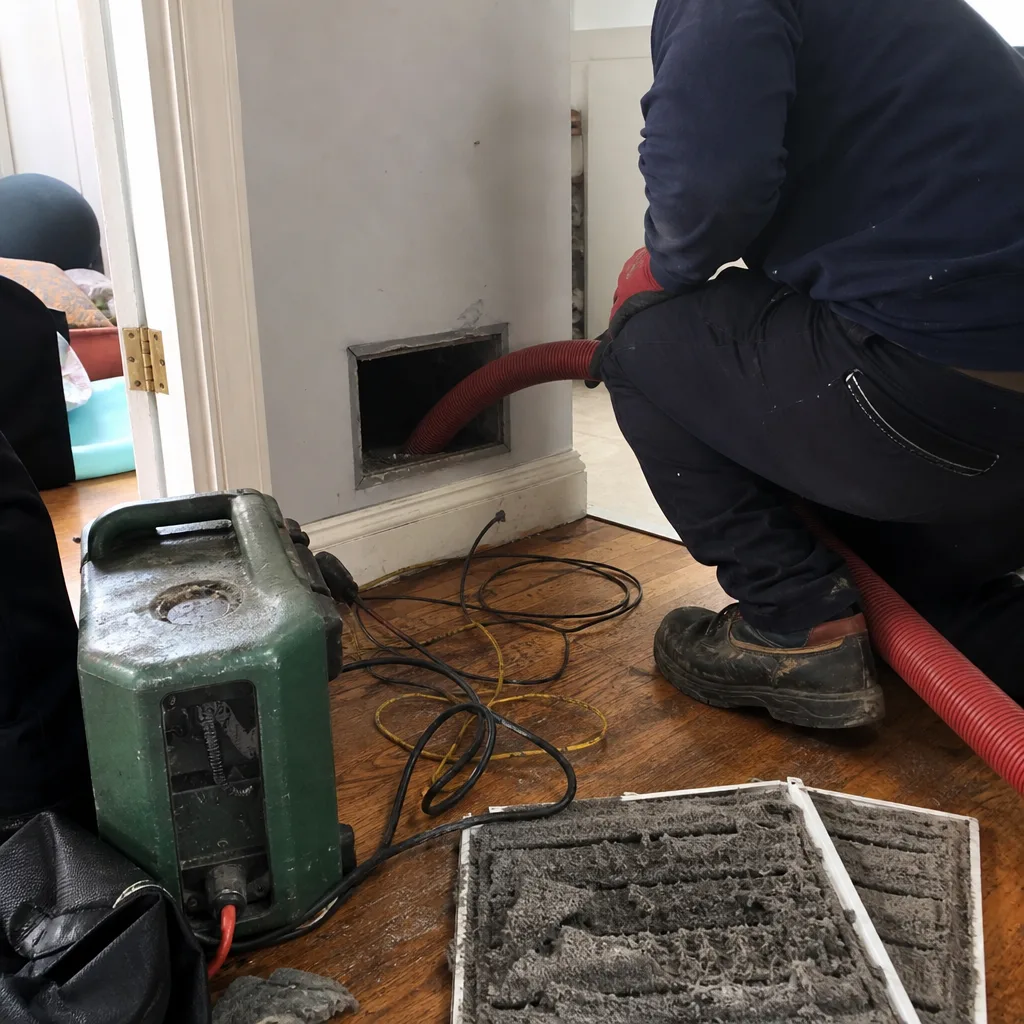 Before
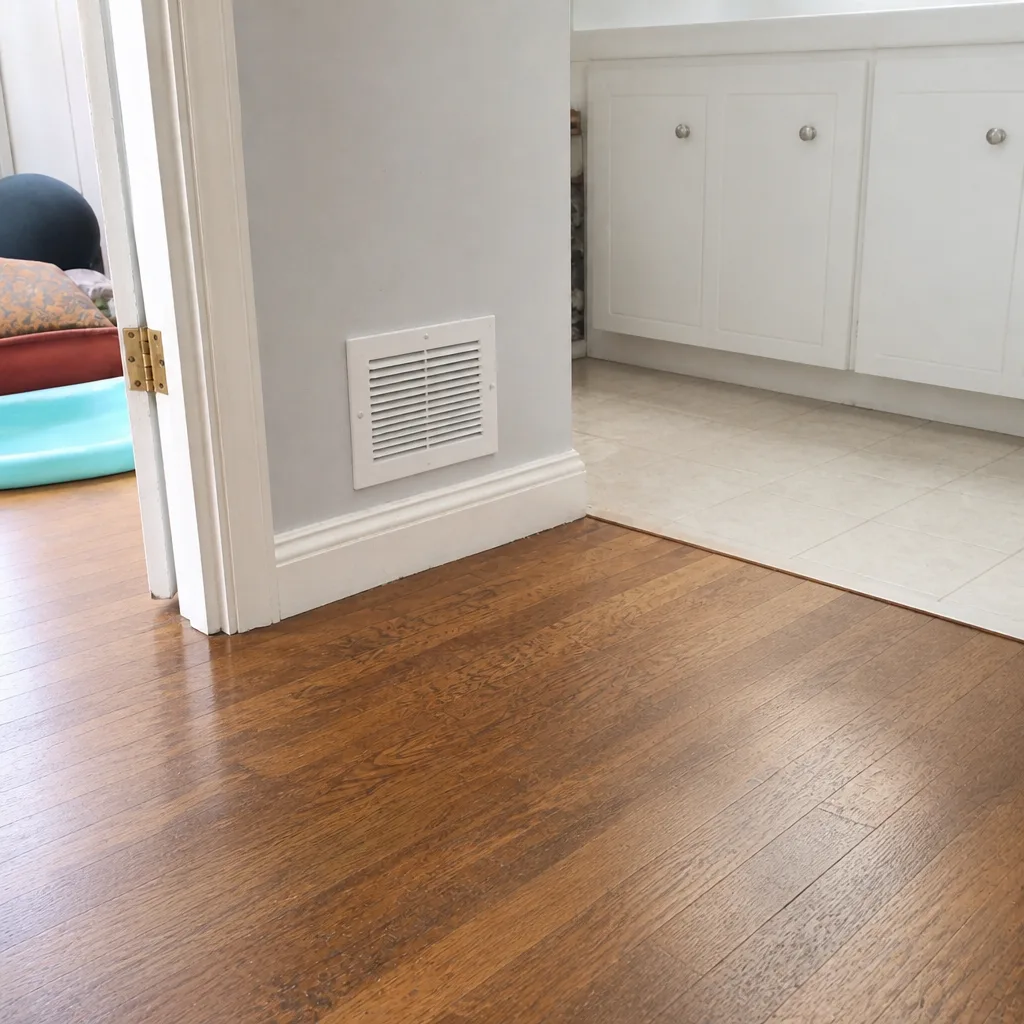 After
Common Mistakes to Avoid
- Cleaning in summer and skipping the fall check. Summer cleaning without a fall inspection leaves the settled dust and pollen load from the summer sitting in the ducts when the heat first comes on.
- Replacing filters without checking for bypass. A filter that doesn’t seat properly lets air go around it, and the rated efficiency is meaningless. Check the housing, not just the filter.
- Cleaning without sealing. A leaky duct system contaminates itself continuously. Cleaning without sealing is a job you’ll pay for again in a year.
- Ignoring the dryer vent. It’s one of the leading residential fire hazards, and it collects through the winter when nobody checks it. It deserves its own spot in the log.
- Trusting a coupon price with no scope defined. A low coupon price almost always means a partial job, no before-and-after documentation of your own ducts, and a larger invoice once the technician is on site. Ask for one flat price per system agreed before the work starts.
- Treating duct sanitizing as mold remediation. They’re different jobs. If you already have established mold growth in the ductwork, sanitizing a contaminated system isn’t the answer; get a remediation assessment first.
- Skipping the log. Without it, every seasonal check is a fresh start, and you’ll never know whether the system is actually getting better or worse.
When to Call a Professional
Some seasonal duct work belongs on your own checklist, and some of it needs a professional with the right equipment. Call when you see visible dust buildup at the registers that returns after cleaning, when there’s a persistent musty odor that gets stronger when the system runs, or when any part of the ductwork shows moisture staining or discoloration. Call when the furnace or AC blower compartment looks loaded with debris, when a room never gets the airflow it should, or when a duct joint is visibly separated in an area you can’t safely fix alone. Call before the first heating run in fall if the ducts haven’t been cleaned since the previous year. And call on the dryer vent if the dry cycle is getting longer, which is a reliable sign the vent is loading up. Air Duct Cleaning Sunset Park offers free estimates in Sunset Park. Call (844) 351-1795. We answer 24/7. Fast dispatch from 7am to 7pm, Sunday through Friday.
Frequently Asked Questions
A cleaning every one to two years is a reasonable baseline for most Sunset Park homes, but the right interval depends on your system and the seasonal load. Homes near Greenwood Cemetery and the park corridors deal with a heavier spring pollen load, and homes with older leaky ductwork load faster than sealed systems. Use a rolling 12-month log to find your real interval instead of guessing. Call (844) 351-1795 for an exact quote. Estimates are free.
Fall is the highest-value window in Sunset Park because the ducts are cleaned before the heating season distributes months of accumulated summer debris through every room. Cleaning in late September or early October means the first heat run moves clean air. Cleaning after the first cold snap means you’ve already lived through the plume. Call (844) 351-1795 to get on the schedule before the season turns. Estimates are free.
Air duct cleaning in Sunset Park is priced per system based on the number of runs, the condition of the ductwork, and whether repair, sealing, or sanitizing is part of the scope. We give one flat price per system, agreed in writing before work starts, with no per-vent pricing and no coupon figures. The written estimate sets the final price. Call (844) 351-1795 for an exact quote. Estimates are free.
Cheap quotes usually cover a partial job, a surface-only pass with consumer-grade vacuums, or a per-vent price that balloons once the technician arrives and “discovers” problems. Our work is done with professional-grade Rotobrush and Nikro systems and includes before-and-after photos of your own ducts so you see what was actually removed. One flat price, agreed in advance. Call (844) 351-1795 for an exact quote. Estimates are free.
Before-and-after photos of your own ducts, taken on the visit. That’s the simplest proof, and it’s standard for every cleaning we do. Ask for it on any quote you get, and if a company won’t provide it, that’s a reason to walk away. Call (844) 351-1795 to book. Estimates are free.
Yes. Duct repair and sealing is part of our regular scope, so leaks and damage found during cleaning are fixed on the same job rather than deferred to a second contractor. Sealing addresses the root cause of air loss and contamination, which is especially important through the humid Brooklyn summer. Call (844) 351-1795 to schedule. Estimates are free.
The Bottom Line
Seasonal air duct care in Sunset Park isn’t a fixed quarterly schedule. It’s four different jobs matched to four different conditions: pre-heating cleaning in fall to get ahead of the first heat run, filtration and sealing checks through winter, soot and pollen inspection in spring, and humidity management inside the ductwork through summer. A rolling 12-month log is what ties it together and keeps each check faster than the last. Our technicians have up to 9 years of experience with this exact cycle, and we bring Rotobrush and Nikro equipment, Abatement Technologies containment, and Honeywell and Aprilaire filtration to the job. Call (844) 351-1795. We answer 24/7. Fast dispatch from 7am to 7pm, Sunday through Friday. Free estimates. One flat price per system, agreed before work starts, with before-and-after photos of your own ducts.
For the parent service overview, start with Air Duct Cleaning Sunset Park and build your seasonal plan from there.
Written by the team at Air Duct Cleaning Sunset Park.