
Last updated November 22, 2026
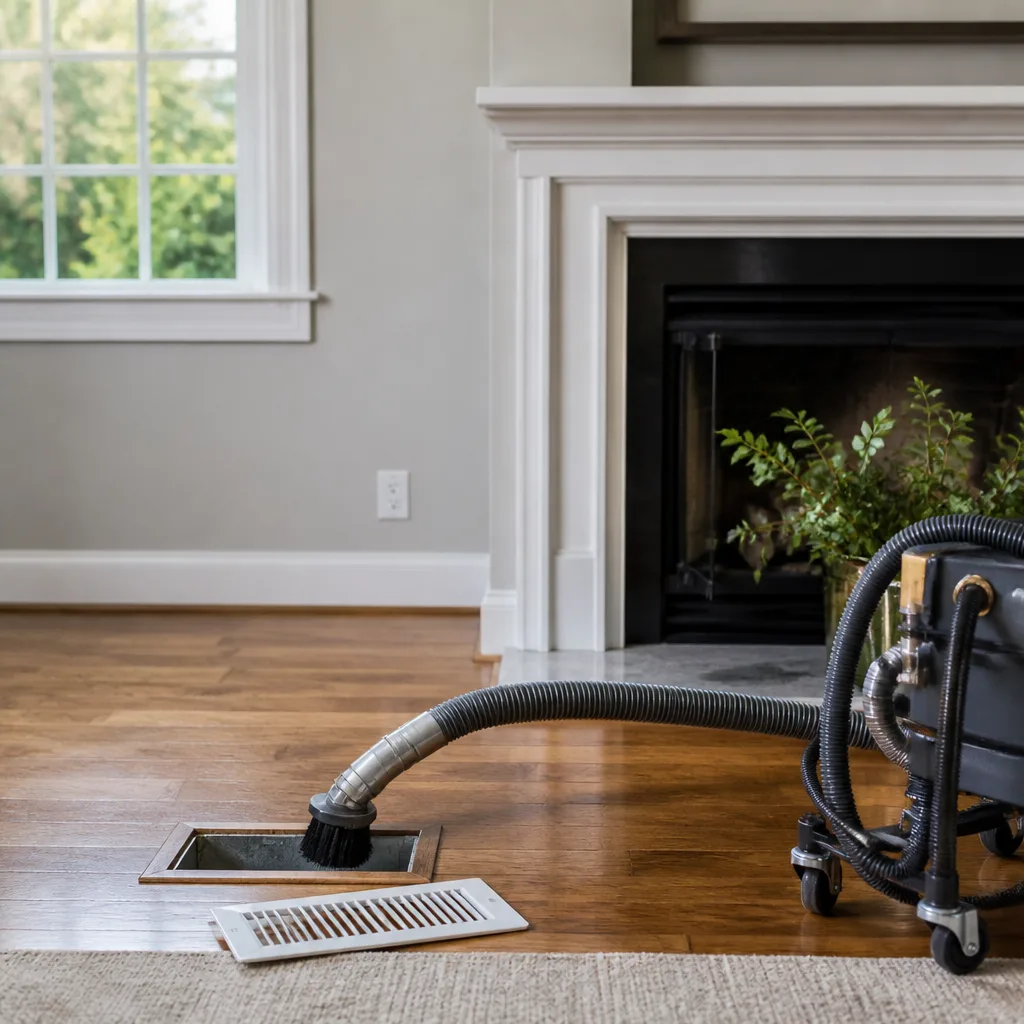 Whole-home duct cleaning
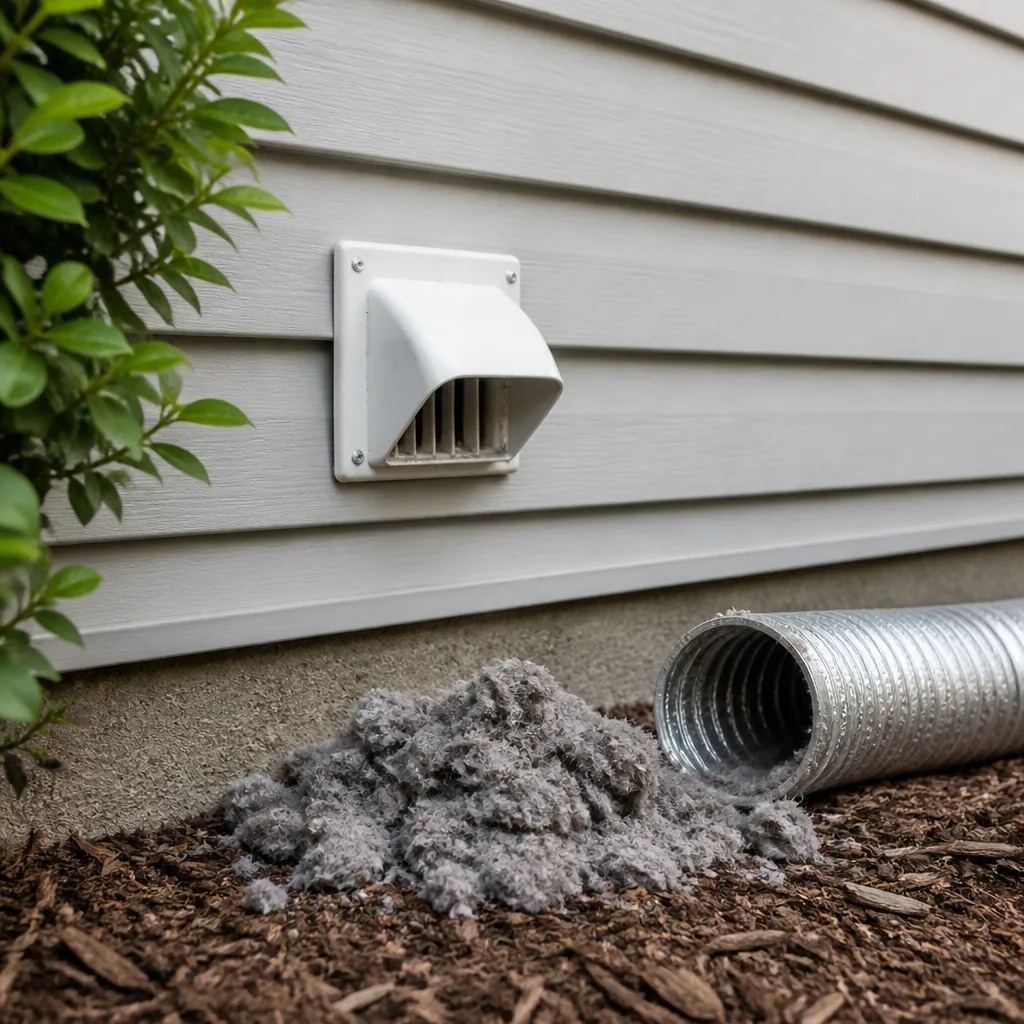 Dryer vent cleaning
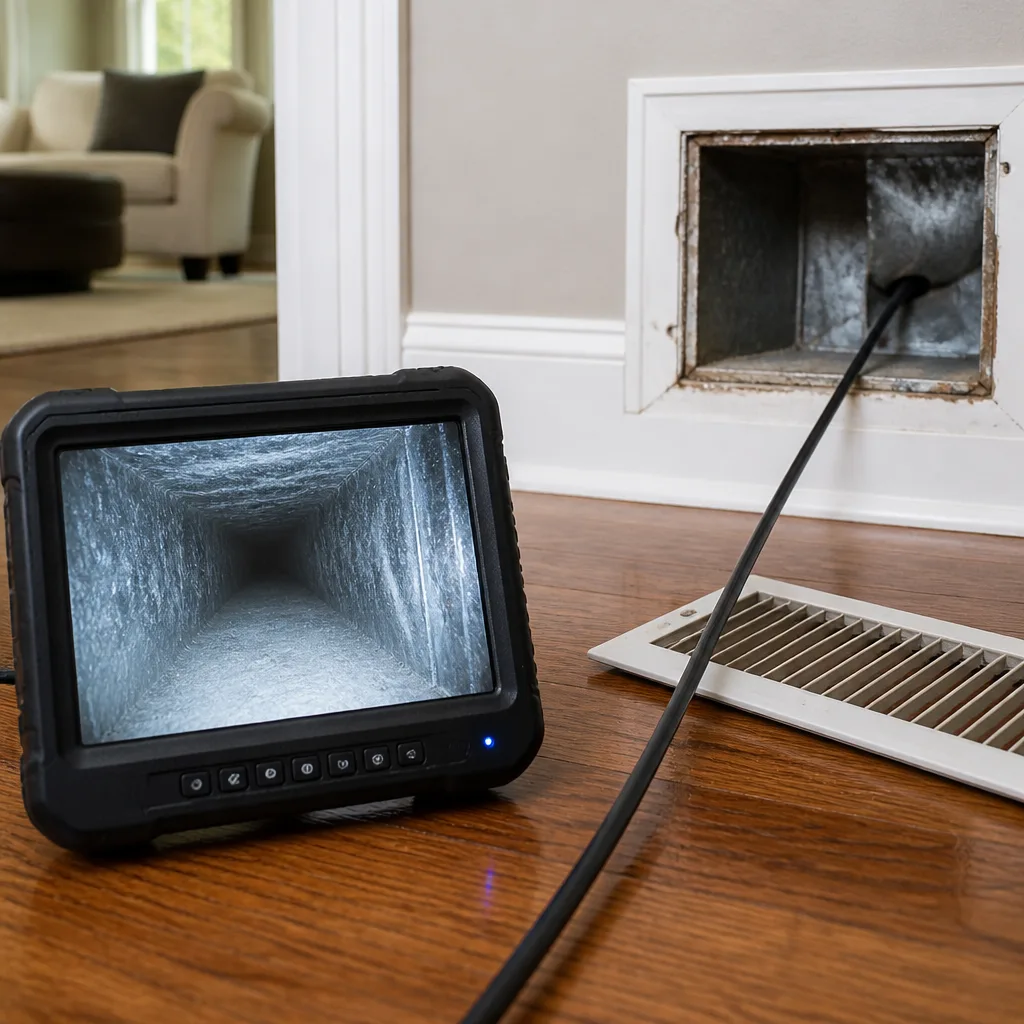 Camera inspection
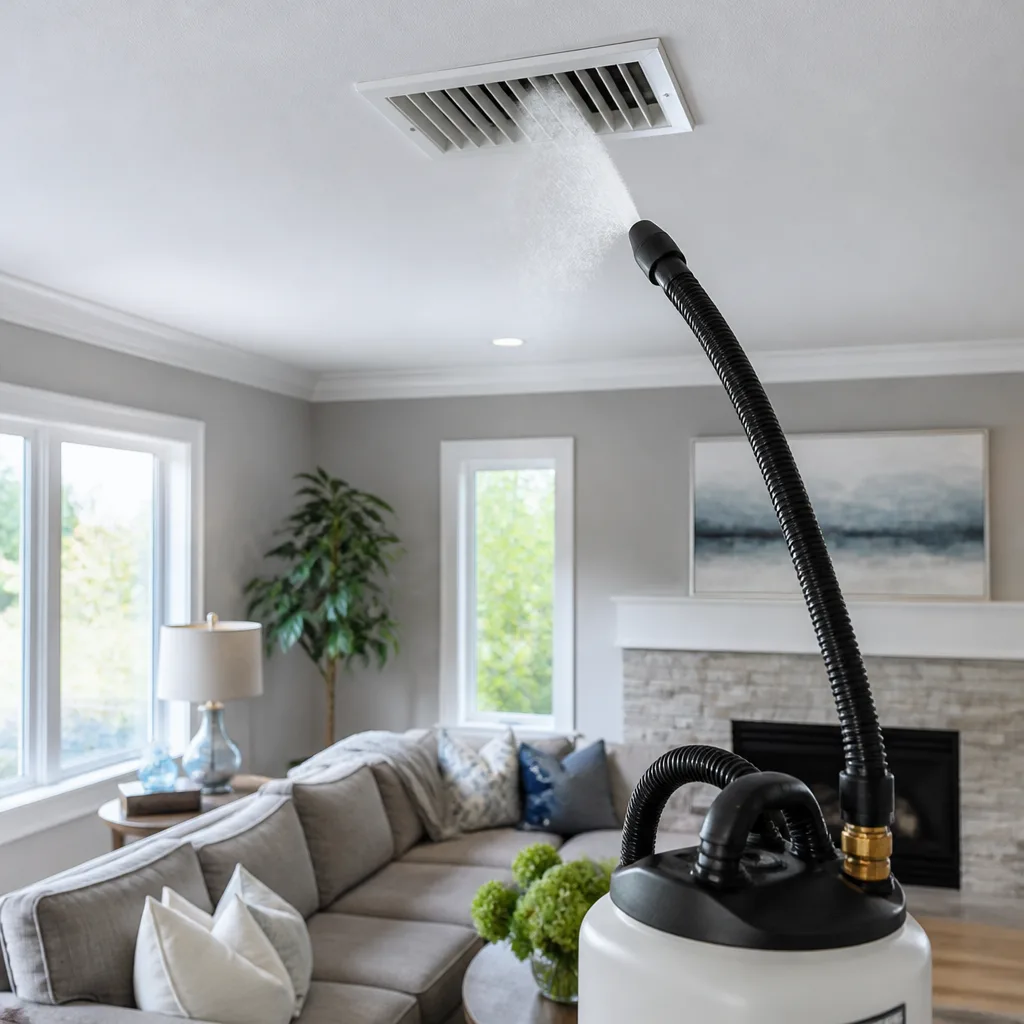 Sanitizing & deodorizing
Whole-system duct and dryer vent check with before-and-after photos - you see exactly what came out of your vents
That "$99 whole-house special" is a bait ad - the real number appears once they are in your hallway, or the "clean" is a shop-vac at the register. We photograph the inside of your ducts before and after instead.
How to Hire an Air Duct Cleaning Contractor in Sunset Park: A Step-by-Step Guide
There is no New York State license required to call yourself an air duct cleaner. Any person with a shop vac and a website can legally offer the service, which is exactly why knowing what to ask matters more than trusting a credential that may not exist. In most trades you can check a license number against a state database and be done with it. Here you can’t. That shifts the entire burden of vetting onto you, and it means the useful questions are technical: what equipment shows up, how the crew inspects what it can’t see, and whether the contractor can fix a problem once it’s found. This guide gives Sunset Park homeowners the screening criteria that actually separate capable crews from coupon-driven operations.
Quick Answer
Hire an air duct cleaning contractor in Sunset Park by asking about equipment first (a true negative air machine, a brush system matched to your duct material, and camera inspection), verifying any NADCA membership claim directly rather than taking it on faith, insisting on a written flat price per system instead of a per-vent quote, and confirming the contractor can handle duct repair and sealing on the same visit. Skip anyone who won’t put the scope of work in writing before the equipment comes off the truck.
Styles & brands we work with
- Whole-home duct cleaning
- Dryer vent cleaning
- Camera inspection
- Sanitizing & deodorizing
Table of Contents
- Why There’s No Duct Cleaning License in New York, and What That Means for You
- The Equipment Questions to Ask Before You Book
- Is NADCA Membership a Real Signal? How to Verify It on the Spot
- Red Flags Specific to Low-Bid Operators in Sunset Park
- Can They Fix What They Find? Evaluating Repair and Sealing Capability
- What a Written Estimate Should Actually Say
- What a Legitimate Post-Job Deliverable Looks Like
- Ductwork in Sunset Park’s Housing Stock: What Your Building Type Tells You
Why There’s No Duct Cleaning License in New York, and What That Means for You
New York State does not issue a license for air duct cleaning. That single fact explains most of what goes wrong in this trade. In licensed trades, a bad actor faces losing a credential they spent time and money to earn. In duct cleaning, there’s nothing to revoke, so the market has no built-in floor and the consumer becomes the filter.
What that means practically is that you should stop looking for an administrative credential and start looking for technical evidence. A contractor who can describe their equipment in specifics, explain how they handle different duct materials, and put a scope of work in writing before arriving is demonstrating competence in the only way available. A contractor who leads with badges, vague certifications, or a low number is telling you something too.
We connect Sunset Park homeowners with independent local professionals who perform this work, and we’ve learned that the good ones are rarely the loudest. They answer equipment questions without flinching. They tell you when your system doesn’t need cleaning. And they write things down.
One thing to understand about Sunset Park specifically: this is a neighborhood of mixed housing, from the large prewar apartment buildings along the ridge to two- and three-family rowhouses and the converted industrial spaces closer to the water. That variety matters, because duct systems in a 1920s walkup and duct systems in a newer gut-renovated unit are different problems, and a contractor who only knows one type will struggle with the other. For a service overview, start with Air Duct Cleaning Sunset Park and read the scope carefully.
The Equipment Questions to Ask Before You Book
Equipment is where competent crews separate from the rest, and it’s the easiest thing to screen for over the phone. A real duct cleaning job uses three tools working together: high-volume negative air extraction, a mechanical agitation system matched to the duct material, and a camera for inspection. Ask about all three. If the answers are fuzzy, keep calling.
Here are the specific questions, and what a good answer sounds like.
- “What’s the CFM rating on your negative air machine?” CFM is cubic feet per minute, and it’s the measure of how much air the extraction unit can pull. A true negative air machine keeps your home under slight negative pressure while work happens, so dislodged debris travels toward the machine rather than into your living room. The contractor should know the number without looking it up. If they say “it’s a strong vacuum,” you’ve learned something.
- “What brush system do you use, and is it rated for my duct material?” Rotobrush and Nikro systems are purpose-built for duct interiors, with whip and brush heads that agitate debris off the duct walls so extraction can remove it. The materials matter: flexible round duct, rigid rectangular galvanized duct, and the flexible liner used in some retrofits each tolerate different agitation. A crew with one brush for everything will either leave debris behind or damage a liner.
- “Do you have a camera, and will I see the footage?” Camera inspection is how a contractor knows what they’re dealing with before and after. It’s also how you verify the work happened. Any crew that cleans without looking first is guessing, and guessing is how you end up paying for a job that didn’t address the actual problem.
- “What extraction equipment backs up the agitation?” Ask about the containment and filtration side too. Negative-air equipment from a manufacturer like Abatement Technologies keeps dust contained and filters the exhaust air, which matters more in a Sunset Park apartment where the air handler might sit in a closet off a bedroom.
The same three-way logic applies to the full scope, whether you’re booking air duct cleaning or a related service. One tool doing all three jobs is not a system.
Is NADCA Membership a Real Signal? How to Verify It on the Spot
NADCA, the National Air Duct Cleaners Association, publishes an industry standard for how duct cleaning should be performed and a code of ethics for members. Membership is a meaningful signal, but only if it’s real. It’s also easy to claim, which is why you verify rather than accept.
Here’s how to check without being awkward about it:
- Ask for the company’s membership status directly, then check the association’s online member directory yourself. It takes a minute and it’s public.
- Ask whether the crew assigned to your job has anyone holding an individual certification through the association. Company membership and individual certification are not the same thing, and a contractor who’s precise about the difference knows the industry.
- Ask them to walk you through their process as it maps to the published standard. A member who actually follows it will describe source removal, negative pressure, and post-cleaning verification without prompting.
What membership isn’t is a substitute for the equipment conversation. A crew can hold membership and still cut corners on a Tuesday. Membership tells you the contractor chose to be accountable to an industry body. The equipment questions tell you whether the work will actually be done right. You need both answers.
In our experience working in Sunset Park, the contractors worth calling will voluntarily mention the standard during the estimate rather than waiting to be asked. That’s the tell. For the broader picture of what proper cleaning involves, read the service page for air duct cleaning in Sunset Park.
Red Flags Specific to Low-Bid Operators in Sunset Park
The low-bid model has a recognizable shape. The number in the advertisement bears no relationship to the number on the invoice, and the gap gets explained once the technician is already in your hallway. Here’s what to watch for before you book.
- Per-vent pricing. A per-vent price is a sales structure, not a service price. It creates an incentive to add vents and creates confusion when a technician counts differently than you did. Ask for one flat price for the whole system, agreed in advance, and walk away from per-vent quotes.
- No written scope of work. If the estimate doesn’t say what gets cleaned, what gets inspected, what gets agitated, what gets extracted and what documentation you receive, there is no agreement to hold anyone to. Verbal scope is how a “full cleaning” becomes a quick pass with a vacuum hose.
- A price that changes at the door. If the number moves once the technician sees the system, ask why in writing and compare that to what you were told on the phone. Legitimate crews estimate a whole system up front and hold to it.
- Pressure to add services on the spot. Sanitizing, sealing and repair are real services with real value, but a decision made under pressure in your own hallway is not a decision. Any add-on should be priced and documented in writing like everything else.
- No camera, no photos. If nobody can show you the inside of your duct before and after, you have no way to know what happened. This is the single most useful thing you can demand.
- Reluctance to name equipment brands. Crews that use professional-grade systems say so, because it’s a point in their favor. Vagueness about equipment usually means there isn’t much to name.
One more, and it’s specific to this neighborhood: be wary of anyone who quotes the same price for a compact two-family rowhouse and a large prewar apartment unit without asking a single question. System size and layout vary enormously across Sunset Park, and a quote issued before any questions have been asked is a guess dressed up as a price.
Can They Fix What They Find? Evaluating Repair and Sealing Capability
Most duct cleaners in New York City clean. Far fewer repair and seal. That gap matters, because cleaning is where problems get found and repair is where they get solved.
Disconnected joints, crushed flexible runs, separated seams and deteriorated connections at the air handler are common findings once a camera goes in. Each one leaks conditioned air into a wall cavity or an attic, which is both an energy loss and a contamination path. If your contractor can only clean, you’ll finish the job with a clean system that’s still leaking, and you’ll be calling someone else for round two.
Ask these questions before booking:
- “If you find a disconnected or damaged run, what happens next?” A capable contractor describes how they assess the damage, what materials they’d use to repair or seal it, and how they verify the repair. A cleaner-only operation describes scheduling a second visit from someone else, or changes the subject.
- “Do you seal duct joints as part of the job?” Sealing addresses the root cause of air loss, which is a different goal than surface cleaning. Duct Repair & Sealing is a separate scope from cleaning and it should be described as one.
- “Can all of it happen on the same visit?” A single-crew solution means one setup, one containment, one invoice. Multiple contractors means multiple dispatch windows and a system sitting open in between.
We connect homeowners with local professionals whose scope includes air duct cleaning alongside repair and sealing, precisely because finding a problem you can’t fix isn’t much help. The same single-crew logic runs through HVAC cleaning, where the air handler and coil get attention alongside the duct runs.
What a Written Estimate Should Actually Say
A proper written estimate is short, specific and boring. It states a flat price for the system, lists exactly what’s included, names the equipment, and says what you get at the end. If it’s vague or missing, that’s the answer to whether you should book.
Check the estimate against this list before you agree to anything:
- One flat price for the system. Not a per-vent figure. Not a base price “plus.” The number on the estimate should be the number you pay.
- Scope of work in plain language. Which components get cleaned, whether the air handler and coil are included, how many returns and supplies, and whether the dryer vent is part of the job or separate.
- Equipment named. A contractor using Rotobrush or Nikro systems, or Abatement Technologies negative-air equipment, will say so in the estimate. Named equipment is verifiable equipment.
- Repair and sealing terms. Whether the quoted price assumes all runs are intact, and how a discovered repair gets priced and approved before work continues.
- What you receive afterward. Before and after documentation, any sanitizer application records, and written findings that need follow-up.
- Confirmation the local pro is licensed and insured as their state requires. For a general contractor scope this matters, and it’s a fair question to ask of any pro working in your home.
Estimates should be free, and the written estimate is what sets the final price. Anything else is a conversation, and conversations aren’t contracts.
What a Legitimate Post-Job Deliverable Looks Like
The work is finished when you have documentation, not when the equipment leaves. This is the part of the process most homeowners don’t think to demand in advance, and it’s the part that tells you whether the job was done properly.
Here’s what to expect from a crew that takes the work seriously:
- Before and after images of your own ducts. Camera stills or video of the same runs, taken from the same positions, so the comparison means something. Generic stock photos of clean duct interiors prove nothing.
- Records of any sanitizer application. If an air quality and sanitizing step was performed, you should receive a record of what was applied and where. Products like Guardsman-grade protective treatments are applied as part of the sanitizing process, and the paperwork should reflect it.
- A written list of findings. Anything the crew couldn’t address on the visit, whether that’s a run needing a follow-up repair or a filtration upgrade worth considering. Honeywell and Aprilaire air quality products come up often here, since filtration is the next layer beyond cleaning.
- Confirmation of what was repaired or sealed. If a joint was reconnected or a seam sealed, it should be documented like any other part of the scope.
- A clear statement of what was included and what wasn’t. Dryer vent work is a separate scope from duct cleaning and should be documented as such. If it was part of the job, it deserves the same documentation.
Ask for these before booking. A contractor who can describe the deliverable in detail has done this work enough to have a system for it.
Ductwork in Sunset Park’s Housing Stock: What Your Building Type Tells You
Sunset Park has an unusual range of housing for a neighborhood its size, and the building type tells you a lot about what a duct job will involve. It’s worth understanding before you call anyone.
The large prewar apartment buildings along the ridge typically have central systems with long, shared riser configurations and individual air handlers serving each unit. Access is often through closets, soffits and ceiling panels, and camera inspection is essential because a lot of the run isn’t visible from anywhere you can stand. In these buildings, containment matters more than usual. A crew that doesn’t run negative pressure is going to move dust around a unit that shares walls with neighbors.
The two- and three-family rowhouses get a different set of issues. Retrofitted ductwork is common, which means flexible runs routed through tight chases, occasional crushed sections where a run was squeezed past a structural member, and connections at the air handler that have had years of vibration working on them. These are exactly the systems where repair and sealing capability separates contractors, because cleaning alone doesn’t fix a crushed run.
Newer gut-renovated units and converted industrial spaces bring rigid rectangular duct, which agitates differently than flex and needs a brush system rated for it. None of this is exotic. It’s just that the answers vary by building, and a contractor who quotes without asking about building type hasn’t thought it through.
For the related safety scope, dryer vent cleaning is worth separating out in your mind. A dryer vent serves a fire-risk function that has nothing to do with your air ducts, and it should be treated as its own item on the estimate.
Common Mistakes to Avoid
- Booking on price alone. The lowest number in this trade is usually a starting point rather than a total. Judge the estimate on scope and equipment, then compare the flat prices.
- Accepting a per-vent quote. Per-vent pricing invites disputes about vent counts and gives the technician a reason to expand the job. Insist on a flat price for the whole system.
- Not asking about the negative air machine. If you only ask one technical question, make it this one. Containment is the difference between cleaning a system and redistributing its contents through your apartment.
- Assuming the contractor can repair what they find. In Sunset Park, many duct cleaners can’t. Ask before booking, so a disconnected run doesn’t become a second appointment with a second contractor.
- Skipping the camera footage. Cleaning without inspection is guesswork, and cleaning without documentation is unverifiable. Ask for both.
- Never asking about dryer vent scope. It’s a separate service with a safety purpose, and mixing it into a duct quote without discussing it means neither scope gets clear attention.
- Treating NADCA membership as a complete answer. Verify it, then go back to the equipment questions. Membership is a signal, not a substitute for a proper conversation.
See the difference
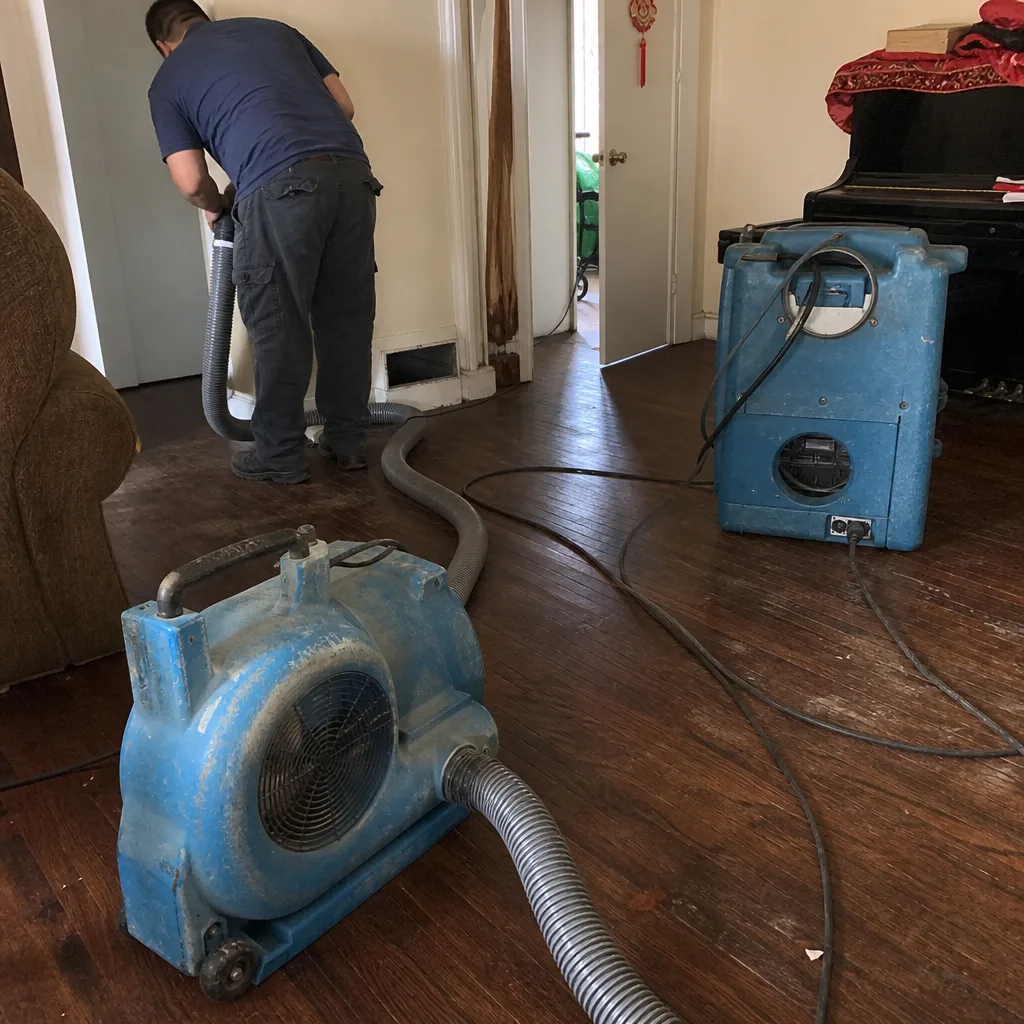 Before
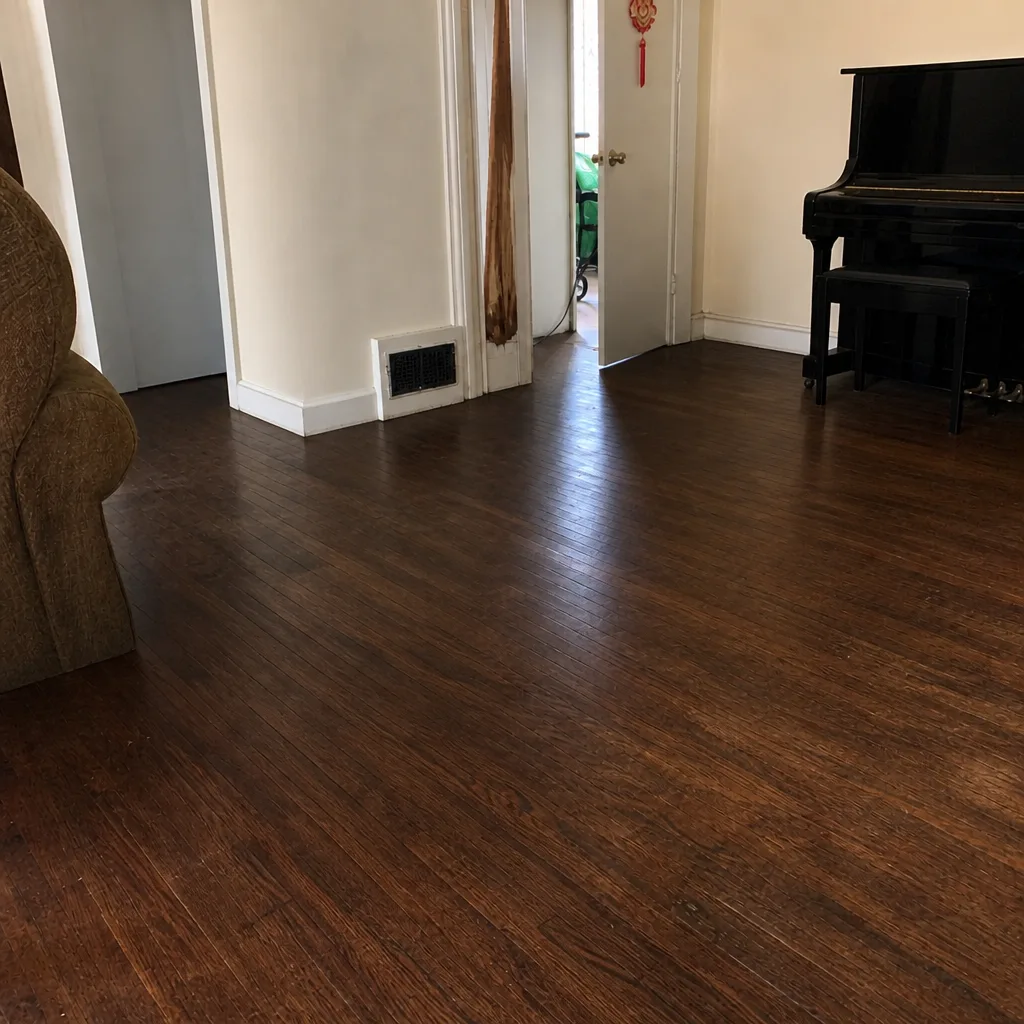 After
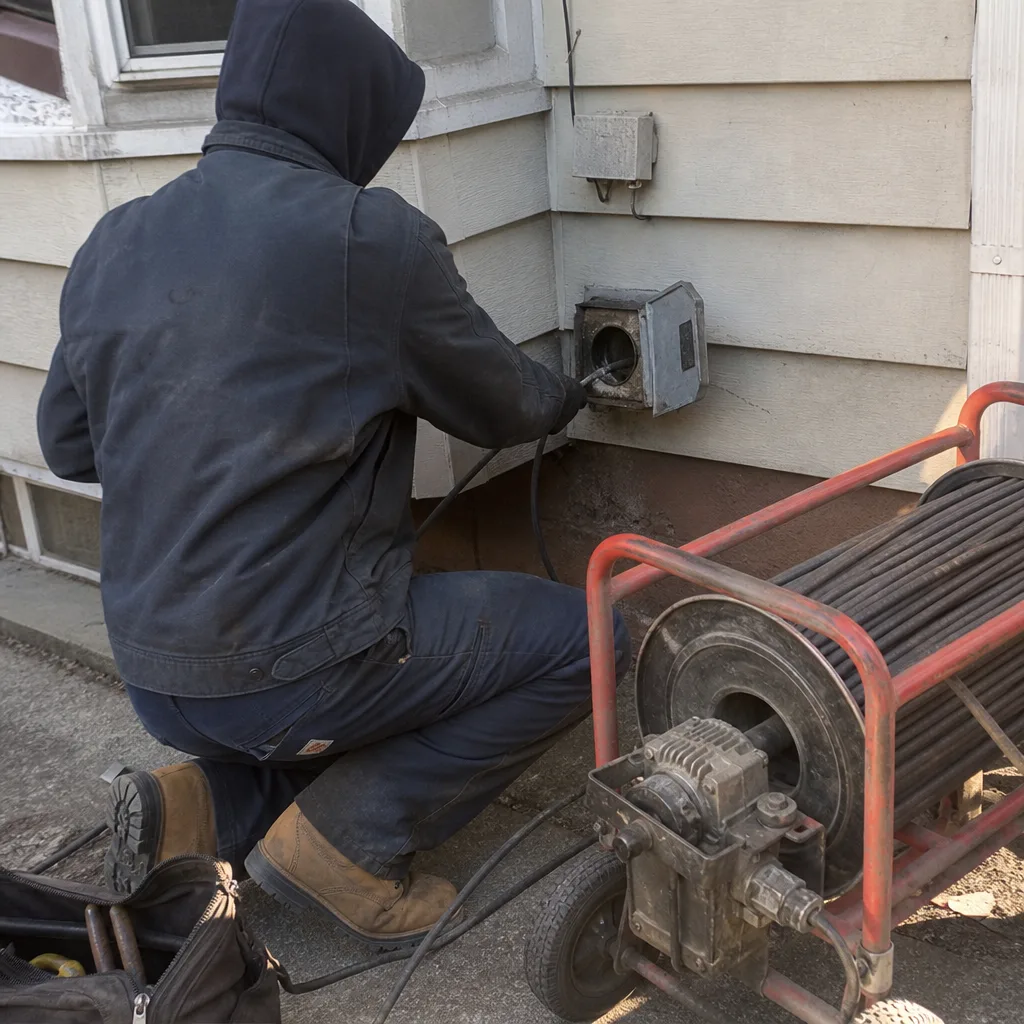 Before
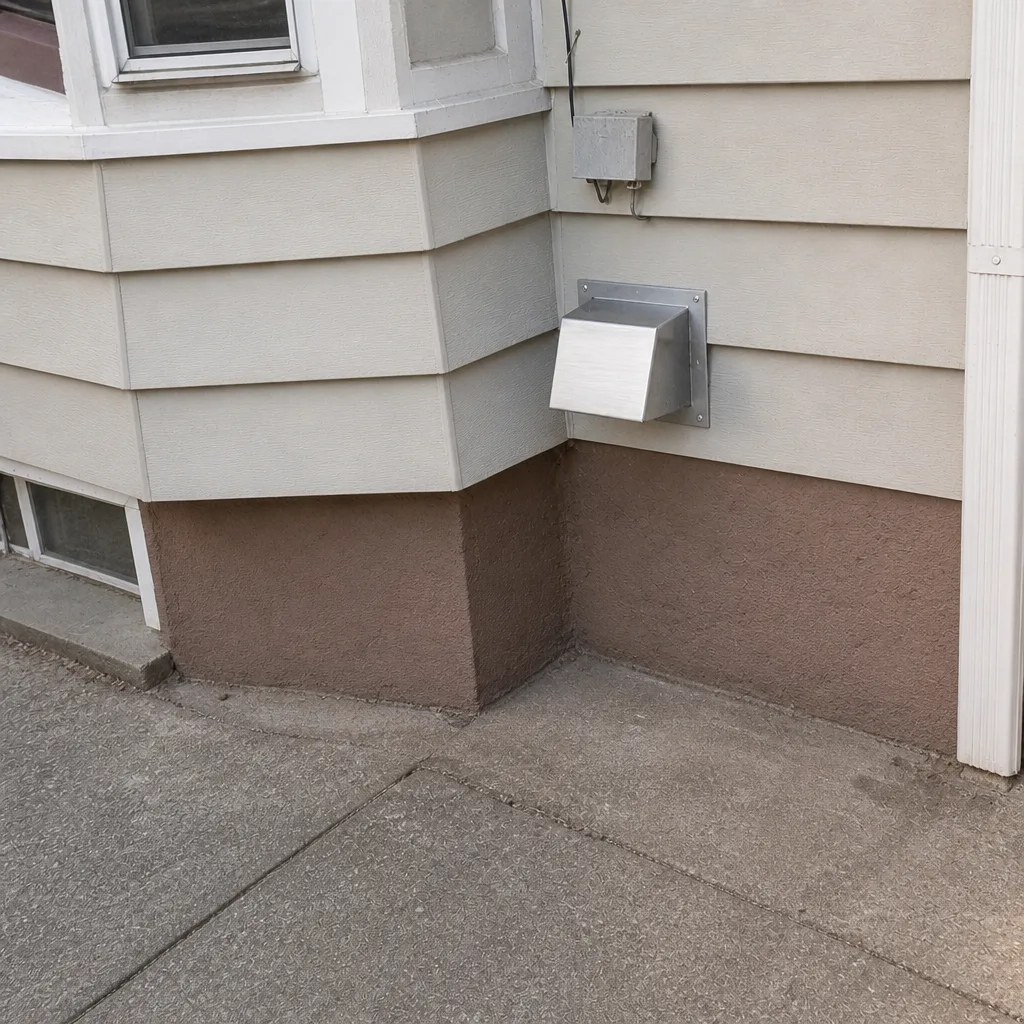 After
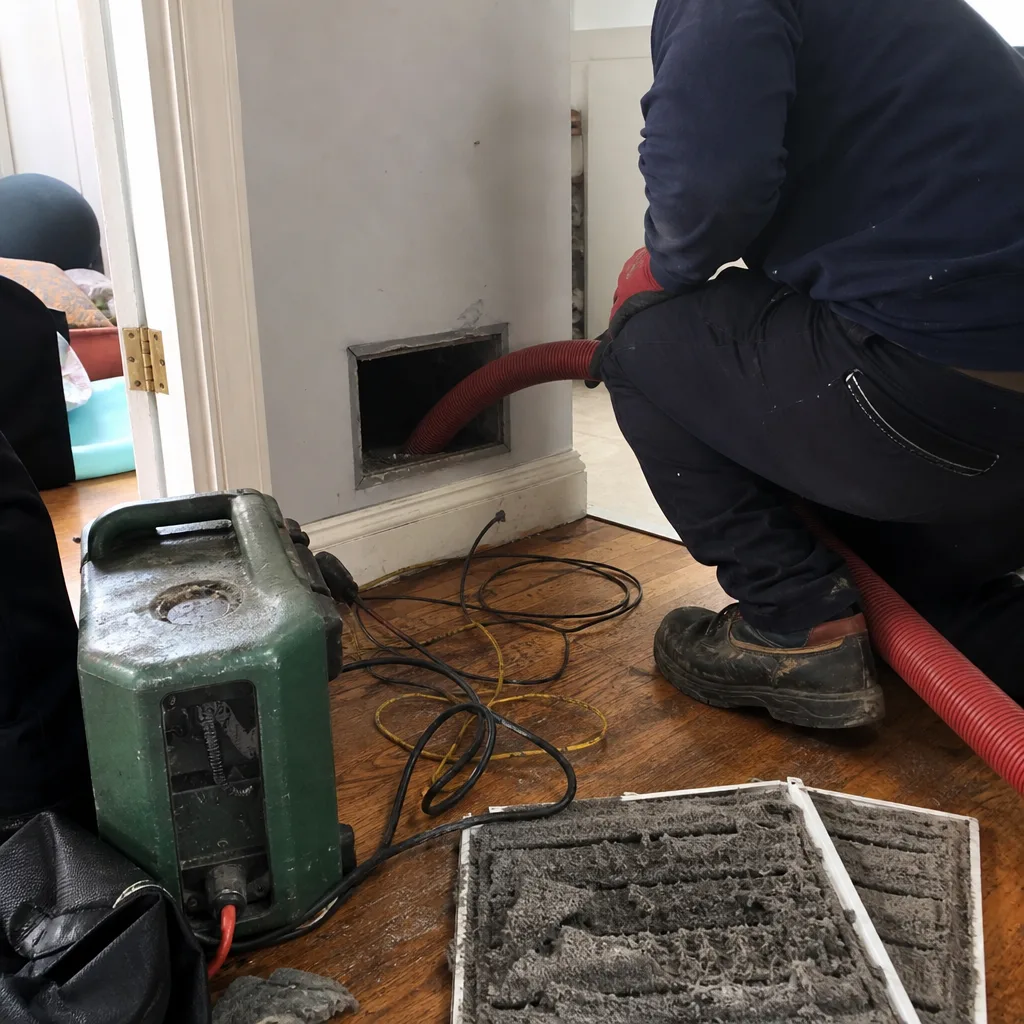 Before
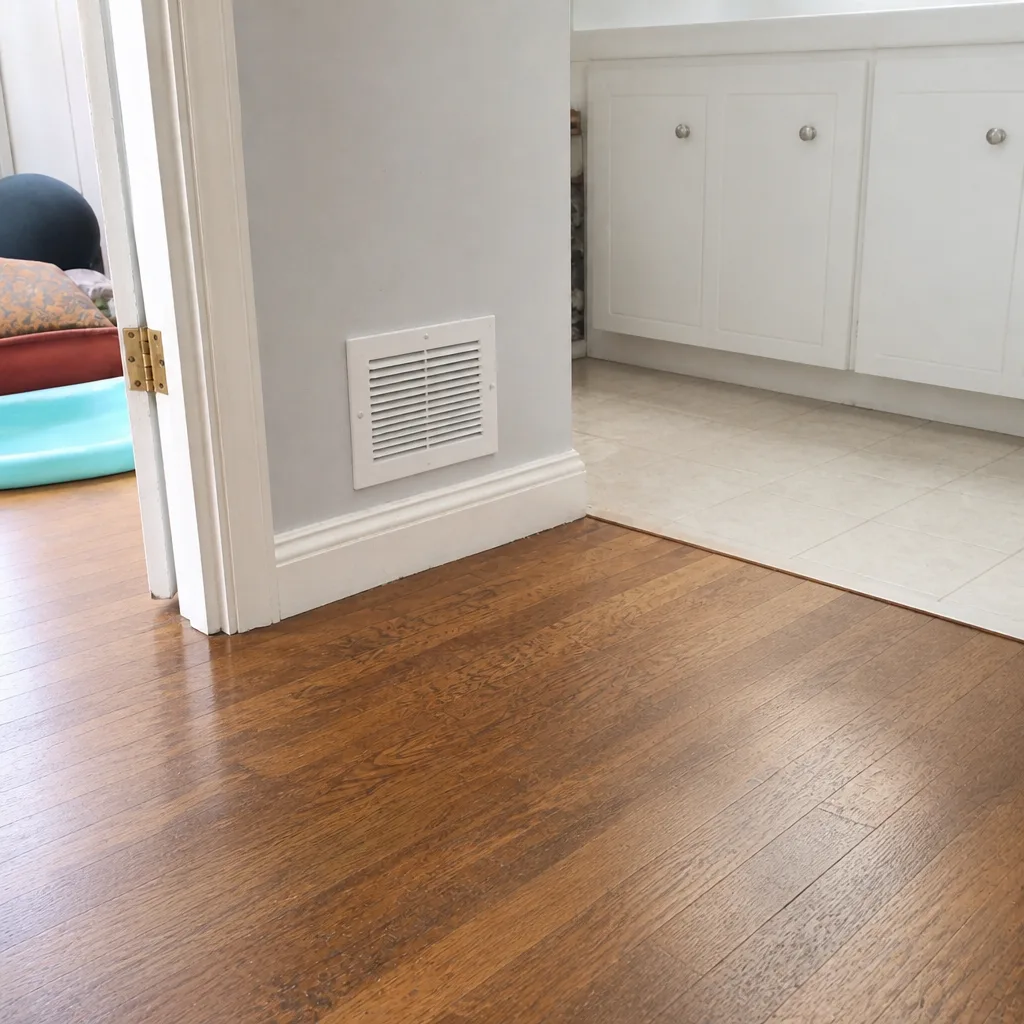 After
When to Call a Professional
Not every dusty apartment needs a duct cleaning. But some situations call for a professional assessment rather than another round of vacuuming.
Call when you’re seeing dust accumulate faster than before, when allergy symptoms spike indoors and improve when you leave, or when there’s a musty smell coming from the registers that doesn’t clear with cleaning. Call if your energy bills have climbed and you can’t find another explanation, since leaking duct joints waste conditioned air. Call if you can see loose or disconnected duct in a closet or basement, or if the air handler connection looks deteriorated. Call if it’s been a long time since the system was inspected and you don’t know its condition. And call about the dryer vent if it’s been neglected, because that’s a safety item rather than a comfort item.
Air Duct Cleaning Sunset Park offers free estimates in Sunset Park, and we connect you with local professionals who work with professional-grade equipment and can handle repair and sealing on the same visit. Call (844) 351-1795. We answer 24/7. Fast dispatch from 7am to 7pm, Sunday through Friday.
Frequently Asked Questions
New York State doesn’t require a license for air duct cleaning, so there’s no state credential to check. That makes equipment questions, written scope of work, and verifiable membership in an industry association the practical screening tools instead. Ask about the negative air machine, the brush system and camera inspection before you book.
Ask for the CFM rating on the negative air machine, which brush system they use and whether it’s rated for your duct material, and whether they have a camera and will show you the footage. A contractor who uses professional-grade systems will answer all three without hesitation. Vague answers about “a strong vacuum” are your cue to keep calling.
Cheap quotes usually exclude work the job needs: proper containment, camera inspection, and repair capability if something’s found. Some are per-vent prices that grow once the technician arrives. Compare flat prices for a defined whole-system scope, and treat a low number with an undefined scope as a warning rather than a bargain. Call (844) 351-1795 for an exact quote on a defined scope.
Ask them directly, then check the association’s public member directory yourself. It takes a minute and the information is available to anyone. Be precise about whether they mean company membership or individual certification, because those are different claims and a knowledgeable contractor will know the difference.
Some can, and many can’t. Duct Repair & Sealing is a separate capability from cleaning, and most duct cleaners in New York City don’t offer it. Ask how they’d handle a disconnected or crushed run before you book, so a repair doesn’t turn into a second appointment with a different company.
There’s no universal schedule, and anyone quoting you a fixed interval without looking at your system is guessing. Condition drives the decision: visible dust buildup, musty odors, allergy symptoms indoors, unexplained energy costs, or ducts that haven’t been inspected in a long time. Call (844) 351-1795 and we’ll help you figure out whether it’s actually time.
The Bottom Line
With no state license required, hiring a duct cleaner in Sunset Park comes down to technical questions rather than credentials. Ask about the negative air machine and its CFM rating, the brush system and whether it matches your duct material, and camera inspection with footage you get to see. Verify any NADCA claim yourself. Demand a written flat price for the whole system, never per-vent. And confirm the contractor can repair and seal what they find, because cleaning reveals problems and repair solves them. One crew, one written estimate, one set of before and after photos is the standard worth holding out for.
Call (844) 351-1795 for a free estimate. The local pro is licensed and insured as their state requires, and the written estimate sets the price before any work begins. We answer 24/7. Fast dispatch from 7am to 7pm, Sunday through Friday.
Written by the team at Air Duct Cleaning Sunset Park.