
Last updated November 22, 2026
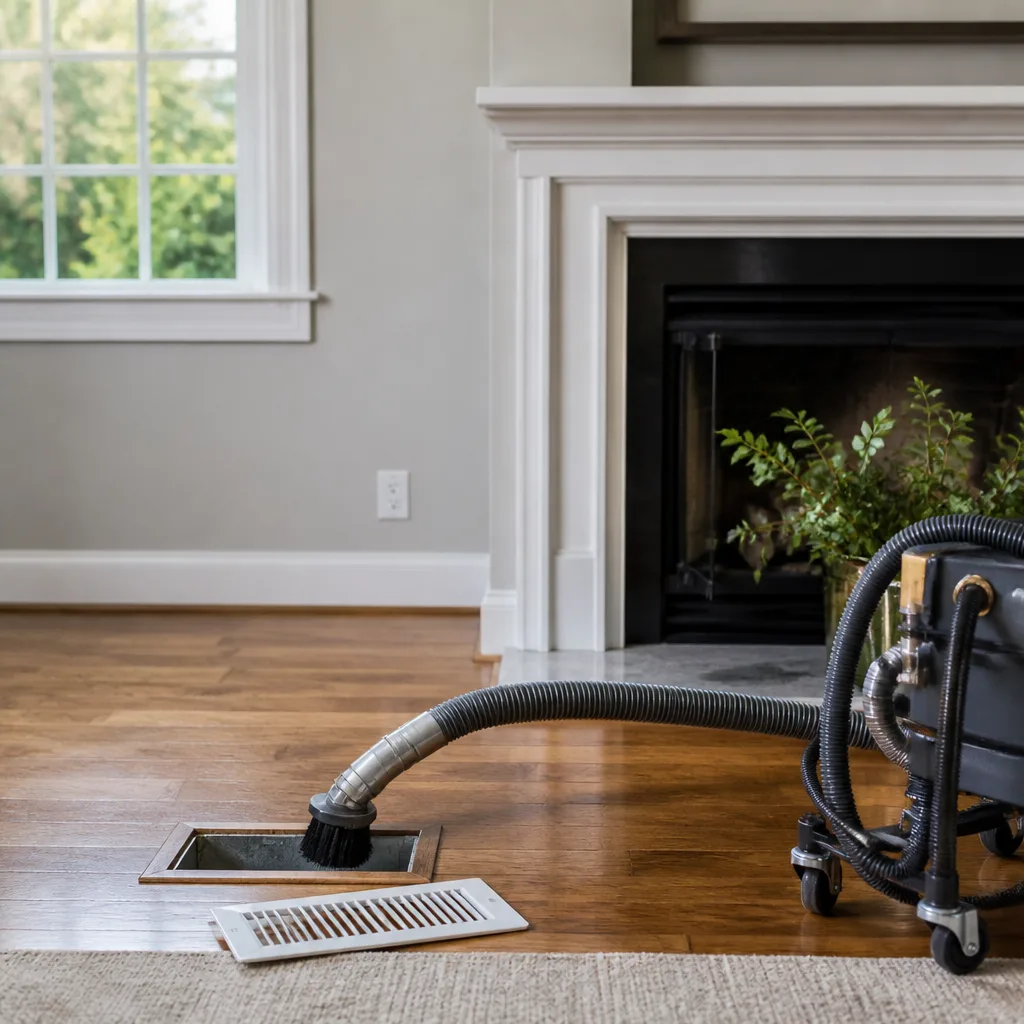 Whole-home duct cleaning
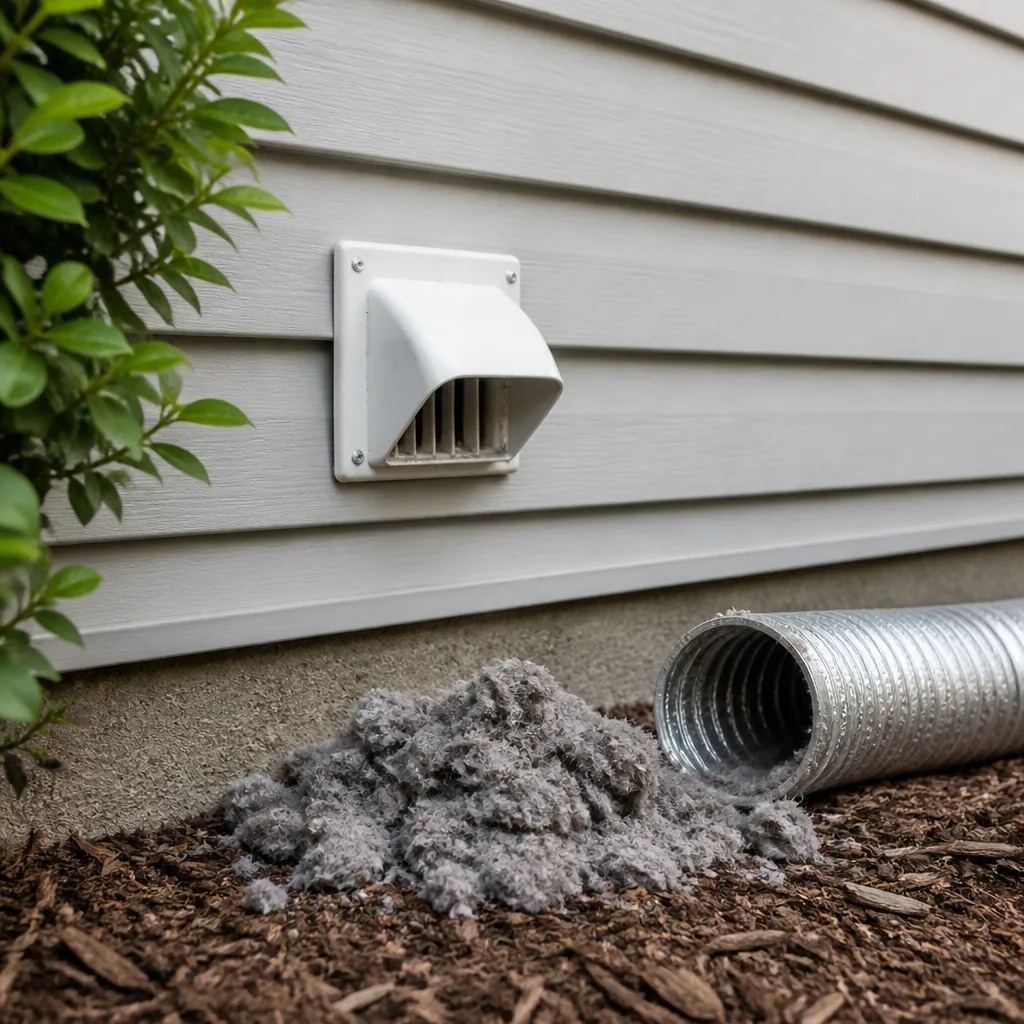 Dryer vent cleaning
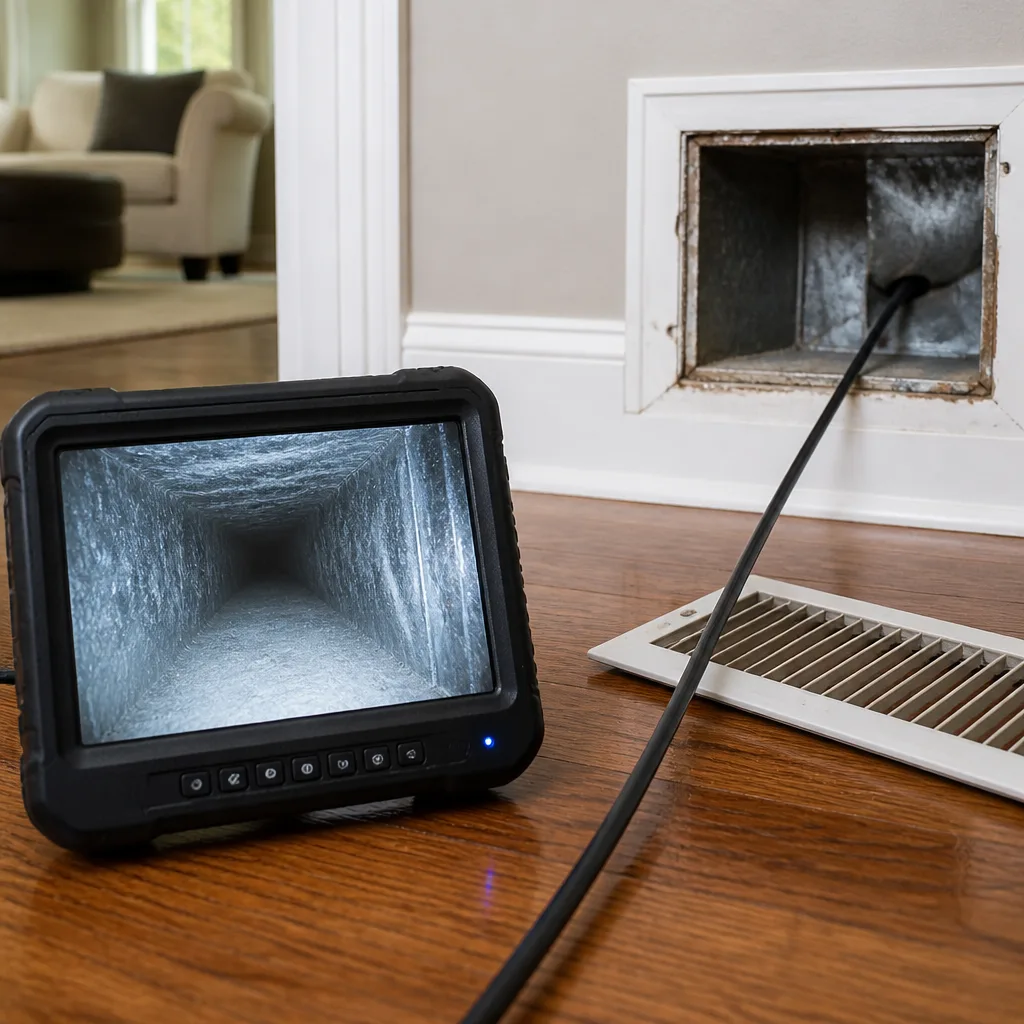 Camera inspection
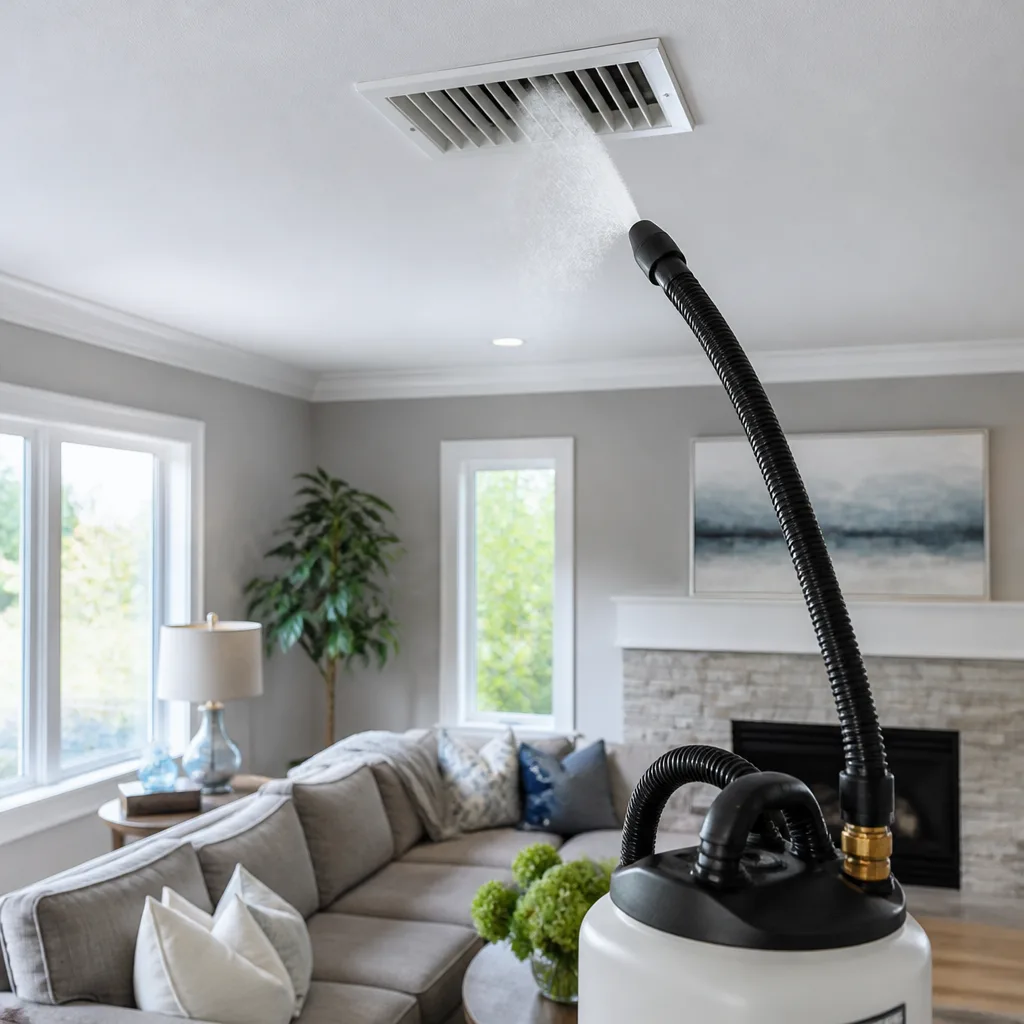 Sanitizing & deodorizing
Whole-system duct and dryer vent check with before-and-after photos - you see exactly what came out of your vents
That "$99 whole-house special" is a bait ad - the real number appears once they are in your hallway, or the "clean" is a shop-vac at the register. We photograph the inside of your ducts before and after instead.
DIY vs Professional Air Duct Cleaning: The Sunset Park Homeowner’s Decision Guide
Most homeowners compare DIY and professional duct cleaning on the wrong axis. They weigh rental cost against a service quote and assume the gap comes down to convenience. It doesn’t. The real difference is airflow physics: a shop vacuum pulls roughly 100 cubic feet per minute, while a purpose-built negative air system moves thousands of CFM and holds the whole duct system under pressure while debris is extracted. You cannot rent your way past that gap. This guide walks through the numbers, what you can honestly do yourself in a Sunset Park apartment or rowhouse, and how to tell a real cleaning job from a brush-and-run.
Quick Answer
For most Sunset Park homes, professional air duct cleaning is the only option that removes accumulated debris from the full duct run – consumer vacuums cannot generate the negative pressure required to dislodge and capture material deep inside the system. DIY work is genuinely useful for register cleaning, return grille vacuuming, and filter changes, and those steps are worth doing. Anything past the first few feet of duct, especially after renovation or with visible contamination, needs professional equipment.
Styles & brands we work with
- Whole-home duct cleaning
- Dryer vent cleaning
- Camera inspection
- Sanitizing & deodorizing
Table of Contents
- Why CFM Is the Number That Decides This Question
- What Sunset Park Homeowners Can Legitimately Do Themselves
- When Professional Cleaning Is Not Optional
- Why Older Sunset Park Duct Layouts Change the Equation
- What “Professional” Actually Means: Equipment and Process
- How to Get the Most Out of a Professional Visit
- How to Verify the Work Was Actually Done
- Cost Context: What Professional Cleaning Involves and What It Doesn’t
Why CFM Is the Number That Decides This Question
CFM – cubic feet per minute – is the measure of how much air a machine moves. It’s the honest metric behind every duct cleaning claim you’ll read. Here’s the physics: to pull debris off the interior walls of a duct run, you have to create and maintain negative pressure inside that run. The pressure has to be strong enough to lift settled material and keep it suspended until it reaches a HEPA filter or collection point. A 100 CFM shop vacuum connected to one register cannot do that. The volume of the duct system absorbs the suction in the first few feet, and what’s left is barely measurable at the far end of a run.
Professional systems used by IAQ contractors – Rotobrush and Nikro among them – are designed around this exact problem. Paired with a negative air machine at the main trunk, they hold the system under continuous vacuum while rotary agitation breaks debris loose from the duct walls. Debris has nowhere to go but into the collection system. The difference between 100 CFM at one register and a professional negative-air setup is the difference between stirring dust and trapping it.
To make this concrete, here’s what a typical professional setup accomplishes in a Sunset Park home:
- Sealed system under negative pressure – every register covered, one or more access points created at the trunk so the vacuum can pull from the whole run, not just the nearest branch.
- Rotary agitation inside the duct – a whip or brush on a rotating cable scrubs the interior wall, and the negative pressure captures what it loosens.
- HEPA filtration at the collection point – so what comes out of the duct stays in the machine and doesn’t redistribute into the room.
- Verification before close-up – a visual check of a representative sample of ducts, with photos, so the homeowner sees what came out.
None of those steps can be replaced by a stronger shop vacuum or a rented blower. The equipment is purpose-built for the job, and the physics doesn’t negotiate. That’s why the DIY-vs-professional question for air duct cleaning in Sunset Park is decided before anyone touches a register.
What Sunset Park Homeowners Can Legitimately Do Themselves
DIY isn’t useless – it’s just limited to the surfaces you can actually reach. Everything outside the duct wall is fair game, and doing it well extends the time between professional cleanings. Here’s what we tell homeowners they can and should handle on their own:
- Register and grille cleaning. Remove the supply registers and return grilles (usually two screws or a friction fit), wash them in the sink with warm soapy water, dry them thoroughly, and reinstall. Do this a few times a year, more often if you’re near a busy avenue in Sunset Park where street dust accumulates faster.
- Return grille vacuuming. With the system off, vacuum the return grille face and the filter slot with a brush attachment. This keeps the accessible surface clean and prevents visible dust from being pulled straight through on system startup.
- Filter maintenance. Change or clean the filter on the schedule the manufacturer specifies – typically every 1 – 3 months for standard 1-inch filters in a busy household. A clogged filter is the single most common cause of reduced airflow and elevated dust in the home.
- Dryer vent exterior check. Go outside and look at the exterior dryer vent flap. If lint is visible, or the flap doesn’t open freely when the dryer runs, the vent needs attention. This is a safety check, not a cleaning substitute – full dryer vent cleaning is a separate job that requires reaching the full length of the run.
- Furniture and surface dusting. Sounds obvious, but dust on surfaces gets picked up by return air and pulled into the system. Keeping the home’s surfaces clean reduces the load on the ducts.
What you cannot do yourself: reach past the first few feet of duct, agitate the interior walls, or verify what’s inside a run you can’t see. A flashlight through a register will show you the first couple of inches. It will not show you the bottom of a 20-foot branch run, and it will not tell you whether the material you see is dust, construction debris, or something that needs more than a vacuum.
When Professional Cleaning Is Not Optional
Some situations leave no room for the DIY question. In each of these, the choice isn’t between doing it yourself and hiring – it’s between hiring and leaving a real problem in place.
- Post-renovation debris. Drywall dust, sawdust, and construction grit settle throughout a duct system during a renovation. It’s finer and more abrasive than household dust, and it can coat the blower and heat exchanger if it’s left in place. If you’ve had walls opened or floors refinished, plan on professional cleaning before the system runs normally again.
- Visible mold inside a duct or on a register boot. If you can see it, the situation is past the cleaning stage and into inspection territory. We don’t perform mold remediation – that’s a licensed remediation contractor’s job – but we can clean the system and identify where moisture is entering so the remediation contractor isn’t working blind. Never try to scrub visible mold inside a duct yourself.
- Vermin intrusion. Rodents and insects get into duct systems through gaps in older construction, and they leave behind droppings and nesting material. Cleaning this safely requires negative air containment plus proper protective equipment. This is not a household vacuum job.
- System startup after long vacancy. A unit that’s been empty for months – an estate sale, a rental turnover, a long-distance move – often has debris, dust, and sometimes pests settled into the ducts. Before new occupants move in and start breathing the air, clean the system.
- Rising energy bills with no other explanation. A blocked return or heavily fouled system reduces airflow and forces the equipment to work harder. Cleaning the ducts and checking the air handler can resolve a bill problem no filter change will touch.
If any of those describe your situation, the DIY comparison is over. The right next step is a professional visit – not a rental.
Why Older Sunset Park Duct Layouts Change the Equation
Sunset Park’s housing stock is a mixed bag: pre-war rowhouses, mid-century apartment buildings, and newer construction closer to the waterfront. The older buildings share a few duct characteristics that make consumer-grade cleaning even less effective than it would be in newer construction.
Longer duct runs. Older rowhouses and multi-family buildings often have supply runs that travel 20 to 40 feet from the air handler before reaching the last register. A 100 CFM shop vacuum connected to the far register moves almost no air at that distance. A professional system working from the trunk under negative pressure reaches the full run because it’s working from the source, not from the endpoint.
Fewer access points. Older systems were often installed with minimal access – one or two trunks, registers without cleanouts, and ducting boxed into walls or ceilings with no panel. Creating proper access points is part of a professional visit; it’s not something a homeowner should attempt. Cutting into ductwork without understanding the layout risks damaging the system or creating leaks that reduce efficiency.
Mixed duct materials. Some Sunset Park buildings have a mix of sheet metal, flex duct, and in some cases older duct board. Different materials require different cleaning methods, and the wrong brush or agitation tool can damage duct board or tear the inner liner of flex duct. The rotary equipment a professional uses is selected to match the material in the system.
Tighter building envelopes. Older rowhouses often have less make-up air available, which means dust and debris in the ducts have a greater proportional effect on indoor air quality. When a system is sealed tightly and the ducts are dirty, the occupants breathe more of what’s in the system.
For any of these reasons, the same Sunset Park homeowner who could reasonably handle a newer-build system’s accessible surfaces should call a professional before attempting anything inside the ducts themselves. If you’re weighing whether your specific system qualifies, a free estimate is the right place to start – no obligation, just an assessment of what the ducts actually need.
What “Professional” Actually Means: Equipment and Process
The word “professional” gets used loosely in this trade. Here’s what it means when we describe our process, so you can evaluate any company you call against the same standard.
The equipment is purpose-built. Rotobrush and Nikro systems are designed specifically for duct cleaning – not adapted shop vacuums, not rented air movers. They combine rotary agitation inside the duct with strong negative pressure from a HEPA-filtered collection system. When paired with a negative air machine at the trunk, the entire duct system is held under suction while the interior wall of every reachable run is agitated and cleaned.
The system is under negative pressure throughout. This matters as much as the cleaning itself. Without containment, agitation just suspends debris in the air, and some of it will settle back into other parts of the home. We use Abatement Technologies negative-air equipment on sanitizing jobs so cross-contamination between rooms doesn’t happen. The air coming out of the collection point is filtered, not just blown.
Sanitizing is a separate, controlled step. When sanitizing is appropriate, we apply a Guardsman-grade protectant as part of the process, with the containment already in place. This step is not the same as cleaning – cleaning removes debris, sanitizing addresses what’s left on the surfaces afterward. Both matters, and they’re done in that order.
HVAC cleaning is part of the scope. Ducts don’t exist in isolation. The blower, the evaporator coil, and the air handler’s interior surfaces all collect dust and debris. HVAC cleaning addresses those components so the system isn’t reintroducing contaminants into freshly cleaned ducts the moment it restarts.
Duct repair and sealing are done on the same visit. If the inspection turns up leaks, disconnected joints, or damaged sections, sealing them is part of a proper cleaning job – not deferred to a separate contractor who may not show up. A system that leaks pulls attic or wall-cavity air into the supply, which defeats the point of cleaning it.
Air quality products are installed and serviced by the same crew. Honeywell and Aprilaire filtration products are the industry standard for residential air quality, and having them serviced as part of the same relationship means the filter media is actually rated for the system and changed on schedule.
The dryer vent is part of the full scope. A clogged dryer vent is a fire risk, and most duct cleaning companies skip it. We treat it as safety-critical, because it is.
You can see the full scope of what that covers on our air duct cleaning Sunset Park page – cleaning, repair and sealing, sanitizing, HVAC cleaning, and dryer vent work handled by one crew under one estimate.
How to Get the Most Out of a Professional Visit
You’ll get more out of professional duct cleaning – and a more useful estimate – if you prepare before the visit. None of this requires technical skill, just a little time. Here’s the sequence we recommend:
- Note what you’ve noticed. Write down what prompted the call: dust on the return grille, a musty smell when the heat kicks on, allergy flare-ups, higher bills. Specific observations help the technician focus the inspection on the right parts of the system.
- Clear access to the air handler, return grille, and any accessible duct points. Move furniture away from the closet door, the return grille, and any visible ductwork. Getting to the trunk and the air handler is the single biggest time-saver on the day of the visit.
- Know where the thermostat is and how to set it off. The tech will need to shut the system down before cleaning. Confirming the controls are accessible saves a frustrating start.
- Check the filter first. If the filter is clogged, note it – and change it if you can, or ask the technician to confirm the correct size before the visit so the right one is on hand.
- Ask about access points before anything is cut. Any professional who has to open a duct should explain where, why, and how it will be sealed afterward. Ask this before work begins, not after.
- Ask what equipment will be used and whether the system will be under negative pressure. The answer tells you a lot about the job you’re being quoted.
- Ask what the final inspection includes. Photos of the cleaned ducts, a sample of what was extracted, and a walkthrough of the system are all reasonable asks.
If you’re also having the dryer vent cleaned, clear access to the dryer and the exterior vent before the visit. That one step alone can cut a chunk of time off the appointment.
How to Verify the Work Was Actually Done
The bait-and-switch reputation this trade carries exists for a reason. A cleaning crew can run a brush for five minutes and be out the door, and most homeowners have no way to know. Here’s how to make sure you didn’t get that version:
- Before-and-after photos of your own ducts. Not stock images, not general examples. Photos of your system, taken from the access points, before agitation and after cleanup. Any contractor balking at this is telling you something.
- Ask to see the extracted material. A proper negative-air system collects what comes out of the ducts. Seeing what was pulled is the most direct confirmation the cleaning happened.
- Look for sealed access points. Every cut made for access should be sealed properly at the end of the job. Ask to see it done, not just described.
- Confirm the air handler was cleaned. Ducts can be spotless and the blower still caked in dust. The scope should include the air handler’s interior surfaces.
- Ask about the filter situation after cleaning. If the media is due for replacement, the technician should tell you – and if a Honeywell or Aprilaire filter is in place, they should know the correct replacement.
- Re-check the return grille a week later. If visible dust returns to the grille immediately, the system may have a leak or a filter issue that wasn’t addressed. Call back and ask.
A contractor who runs a clean, verifiable job is not the one to worry about. Asking the verification questions up front is exactly what puts the right crew on the job.
Cost Context: What Professional Cleaning Involves and What It Doesn’t
DIY duct cleaning genuinely costs less than professional work – that’s the honest answer. The question is what you get for the difference. Consumer tools remove what’s reachable at the register; professional cleaning removes what’s accumulated across the full run, along with addressing the repair and sealing issues that drive dust back into the system after cleaning. If ducts are only half-cleaned, the second half contributes dust right back into the home, and the cost comparison shifts.
We set one flat price per system, agreed before work starts, based on the written estimate – no per-vent pricing and no surprise additions once the technician is on site. The estimate is free. Whether you book or not, the assessment tells you what your specific system actually needs. If a simple cleaning is enough, the estimate will reflect that. If duct repair or sealing is also needed, you’ll see it in the written scope. For any Sunset Park homeowner trying to make the call, we’re glad to help you sort it out – call air duct cleaning for a free estimate.
Common Mistakes to Avoid
- Treating a shop vacuum and a duct cleaning system as interchangeable. They are not the same tool for the same job. A shop vacuum is excellent for a return grille and almost useless inside a duct run.
- Cleaning ducts after a renovation without doing anything about construction dust. Drywall and sawdust contain fine abrasive particles that work their way into the blower and heat exchanger. Clean before you run the system normally.
- Skipping dryer vent maintenance while cleaning the ducts. They’re separate systems, but they both matter to safety and efficiency. Dryer vents are a real fire risk in Sunset Park’s older buildings.
- Hiring on price alone without asking about equipment. The difference between a truck-mounted negative air system and a shop vacuum is not marginal. Ask what equipment the crew uses and whether the system is sealed during the job.
- Skipping the air handler. Ducts are one part of an HVAC system. A clean duct run and a blower caked with dust defeat the purpose of cleaning.
- Not asking for before-and-after photos. The only durable proof the work was done is photographic, of your ducts, from your access points. Ask for it.
- Not treating an old system’s layout as a special case. A 40-foot duct run in a pre-war Sunset Park rowhouse is not the same as a newer build’s shorter runs. If a company quotes the same price for both, that’s worth a question.
See the difference
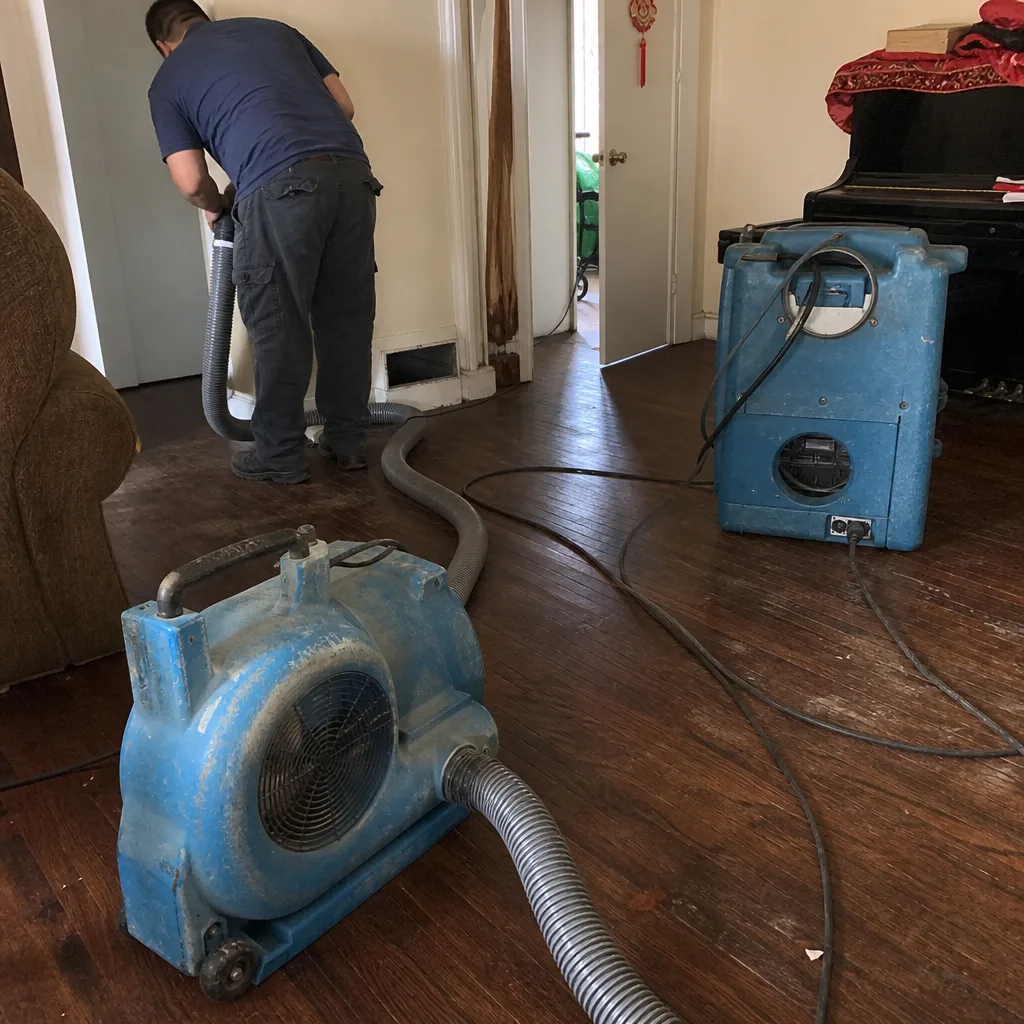 Before
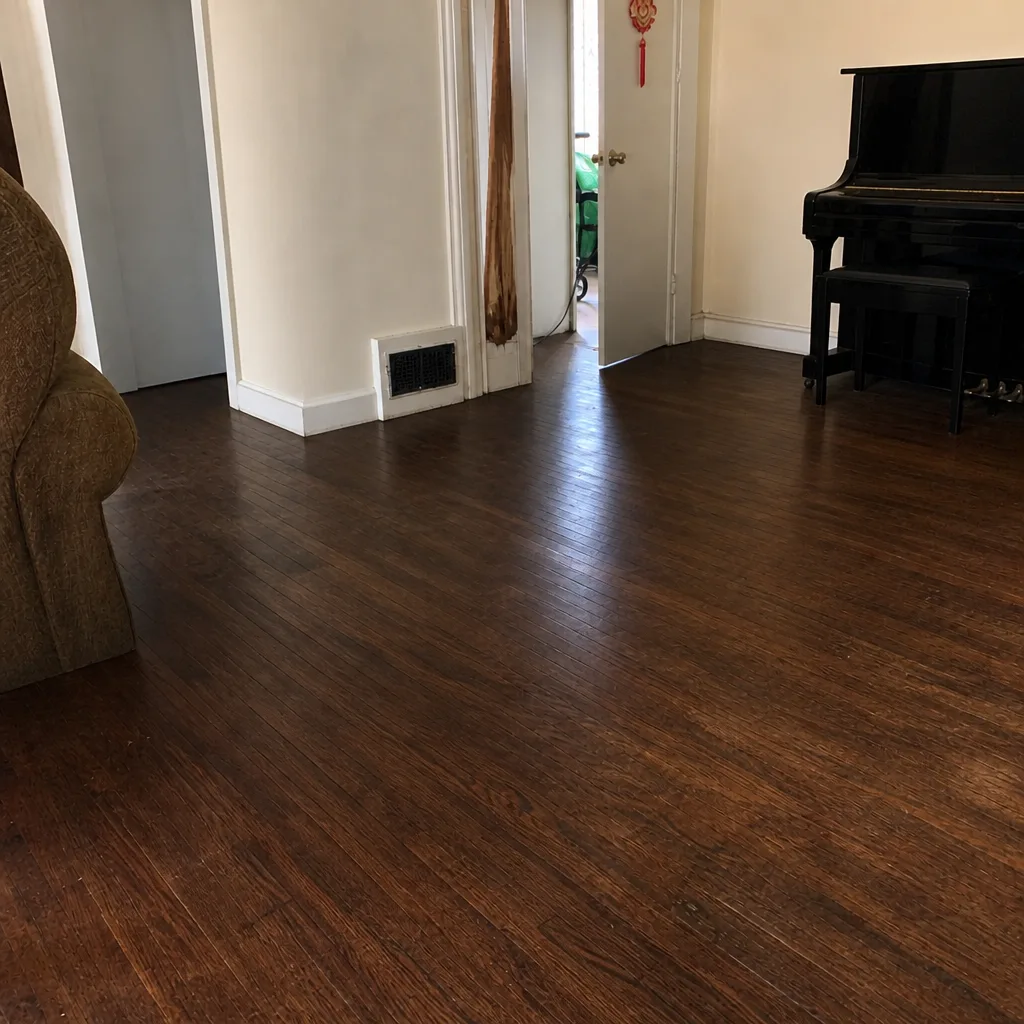 After
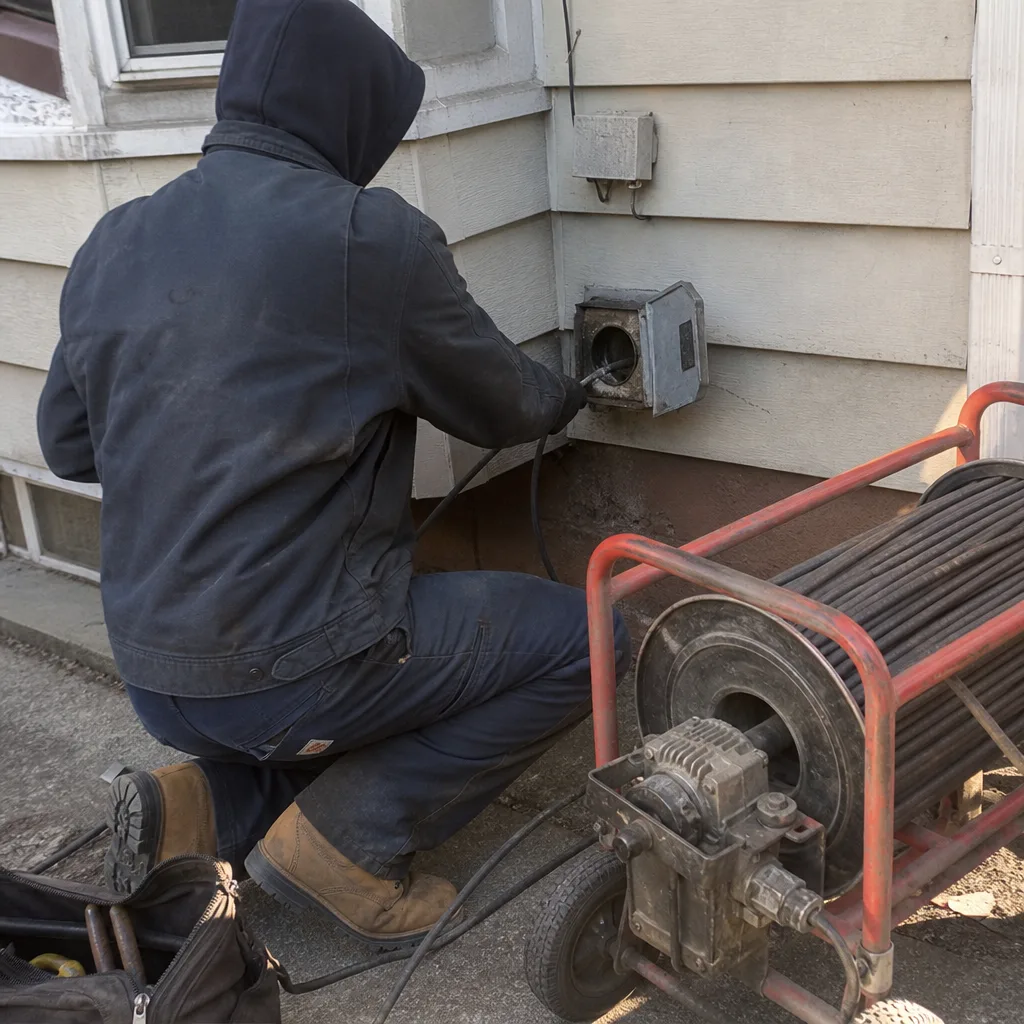 Before
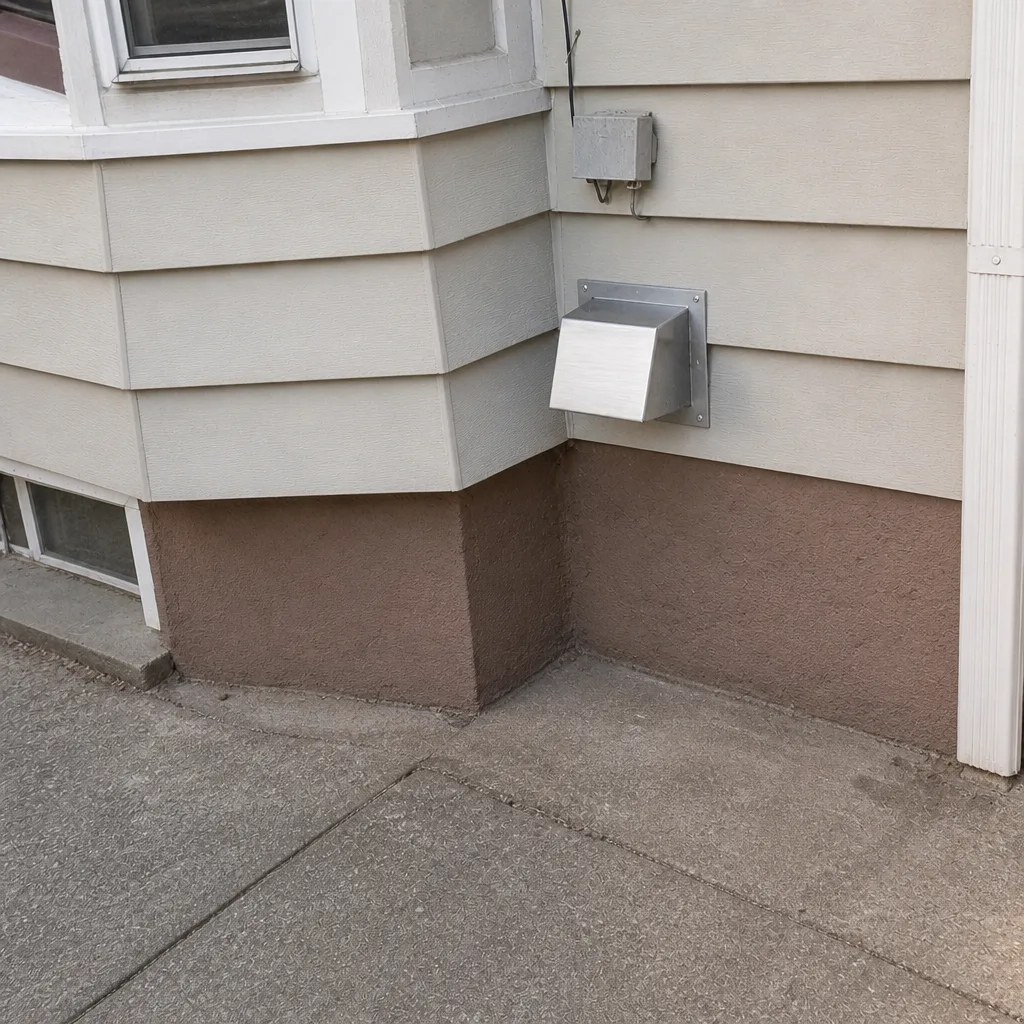 After
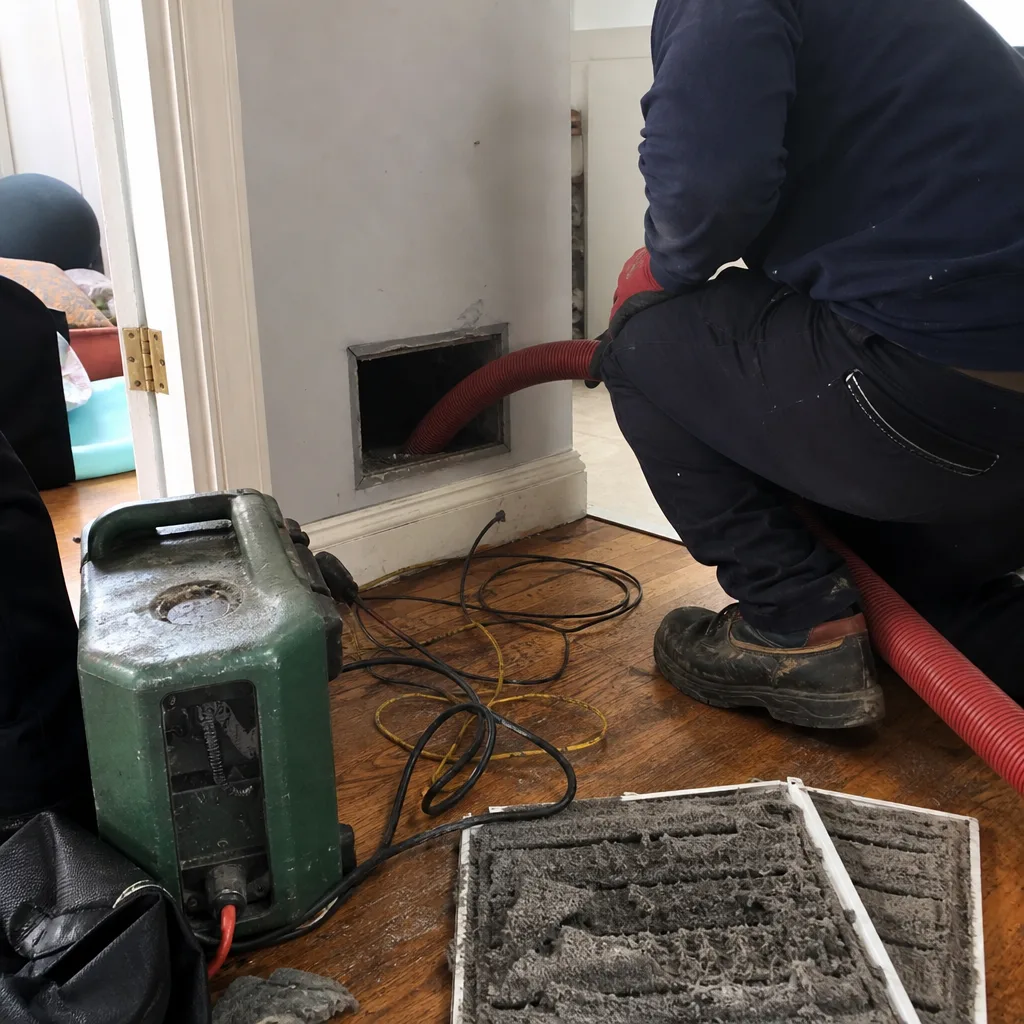 Before
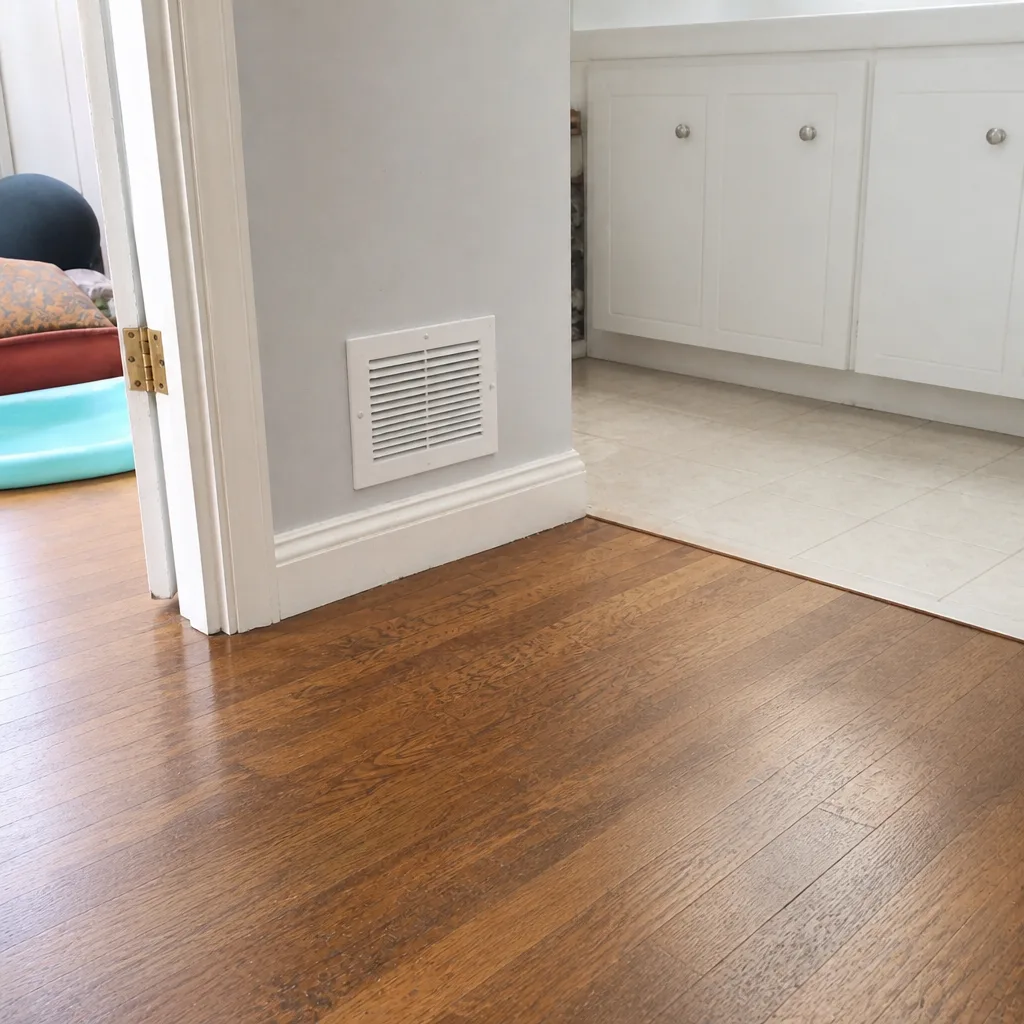 After
When to Call a Professional
There’s a short list of situations where the DIY-vs-professional question resolves to professional without much debate: post-renovation debris, visible mold inside a duct, evidence of vermin intrusion, a system that’s been dormant for months, and rising energy bills that a filter change hasn’t touched. Add an older Sunset Park rowhouse or apartment building with long duct runs and few access points, and the case gets clearer – consumer tools are even less effective in that layout. Our technicians have up to 9 years of experience on systems like these, and the visit starts with an inspection and a written estimate, not a sales pitch. Air Duct Cleaning Sunset Park offers free estimates in Sunset Park – call (844) 351-1795. We answer 24/7. Fast dispatch, 7am-7pm, Sunday through Friday.
Frequently Asked Questions
Yes, for the accessible surfaces – register cleaning, return grille vacuuming, filter changes, and dryer vent exterior checks are genuinely useful and worth doing on your own. Anything past the first few feet of duct inside the run is where DIY stops being effective, because no consumer tool generates the negative pressure required to dislodge and capture debris from a long duct run. Call (844) 351-1795 for an exact quote on the professional portion – estimates are free.
We quote one flat price per system, agreed before work starts, based on the written estimate – not a per-vent rate and not a teaser figure. The price depends on the size and layout of the system, whether duct repair or sealing is also needed, and whether HVAC cleaning is part of the same visit. The estimate itself is free, so the easiest way to get a real number is to call (844) 351-1795.
Cheap quotes almost always come from crews using shop-vacuum-grade equipment, doing a quick pass with a brush, and moving on. That work removes what’s at the register and leaves what’s deeper in the run – so the homeowner pays twice: once for a cleaning that didn’t fix the problem, and again later when it’s obvious the ducts are still dirty. Ask about the equipment and whether the system is held under negative pressure during cleaning. If the answer is vague, that’s the whole story. Call (844) 351-1795 for an exact quote with the scope spelled out – estimates are free.
Ask for before-and-after photos of your own ducts, taken from the access points, and ask to see the material that was extracted. A proper job uses negative air containment, so the collected debris is the proof the cleaning happened. Also look for properly sealed access points and confirmation that the air handler was cleaned, not just the ducts. If the crew can’t show you those, the work was probably not done. Call (844) 351-1795 for a free estimate and ask up front what the verification looks like.
Most homes don’t need annual duct cleaning. Filter maintenance and register cleaning handle the routine side, and professional duct cleaning becomes appropriate when there’s a specific reason: a renovation, visible contamination, vermin, a long vacancy, or a persistent dust or airflow issue that filters haven’t solved. Homeowners with allergies or respiratory concerns sometimes choose to clean more often as a preventive measure. For a specific number for your home, a free estimate gives you the honest answer – call (844) 351-1795.
You can clean the visible parts – registers, grilles, filters – but rowhouse and pre-war apartment systems in Sunset Park often have long runs and minimal access points, which makes consumer equipment even less effective than it would be in a newer build. If you’re not sure whether your ducts need professional attention, the free estimate is the right first step. Call (844) 351-1795 and we’ll walk through the system with you.
The Bottom Line
DIY duct cleaning and professional duct cleaning aren’t the same job done at different price points – they’re different jobs entirely. Consumer equipment can handle the surfaces you can reach. It cannot handle the 20 or 40 feet of duct behind the register, and it cannot hold the system under negative pressure long enough to extract what’s in there. In Sunset Park’s older rowhouses and apartment buildings, that gap gets wider, not narrower, because the duct runs are longer and the access points are fewer. Do the DIY work that’s worth doing – registers, filters, return grilles, dryer vent checks – and call a professional for the rest. The scope should be one flat price per system, agreed before work starts, with before-and-after photos to verify it. That’s the version of the job worth paying for.
Call (844) 351-1795 for a free estimate on air duct cleaning, duct repair and sealing, HVAC cleaning, dryer vent cleaning, or air quality and sanitizing in Sunset Park. We answer 24/7. Fast dispatch from 7am to 7pm, Sunday through Friday.
Written by the team at Air Duct Cleaning Sunset Park.