
Last updated November 22, 2026
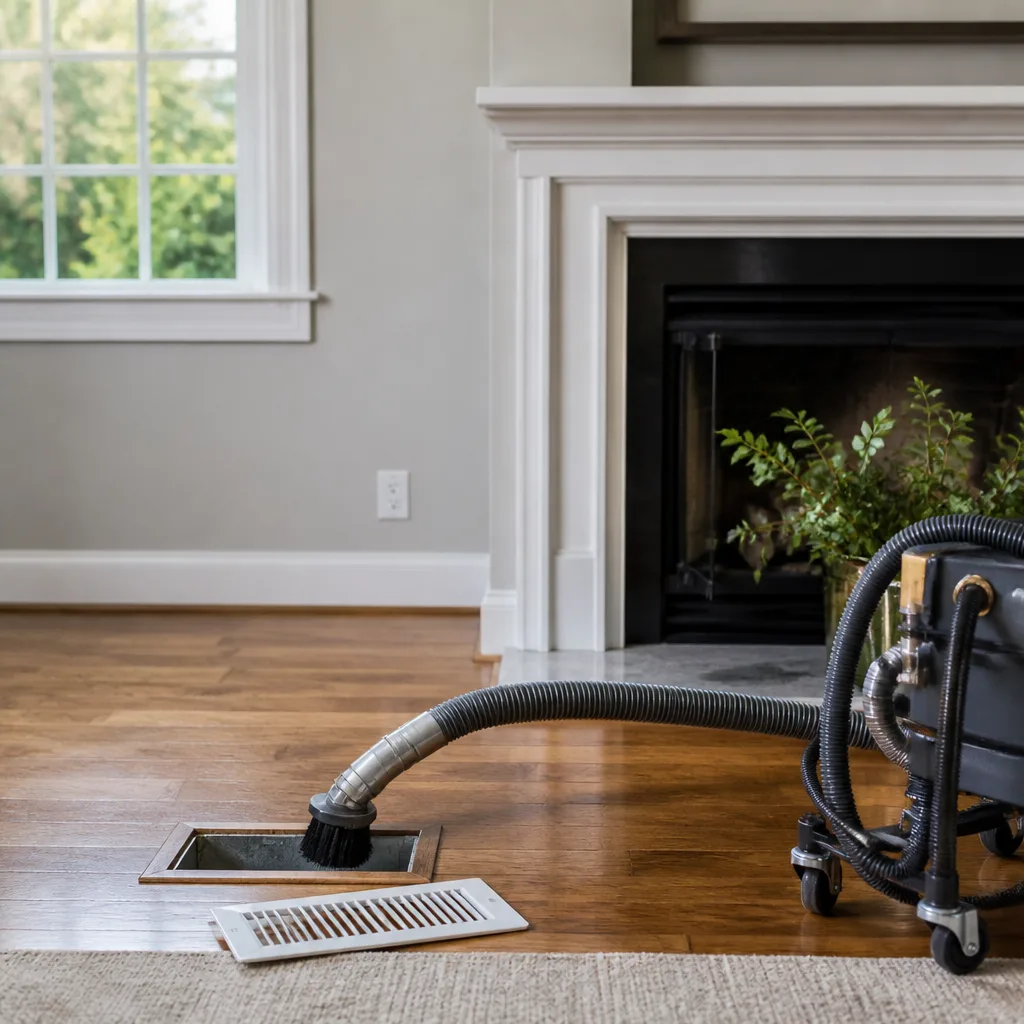 Whole-home duct cleaning
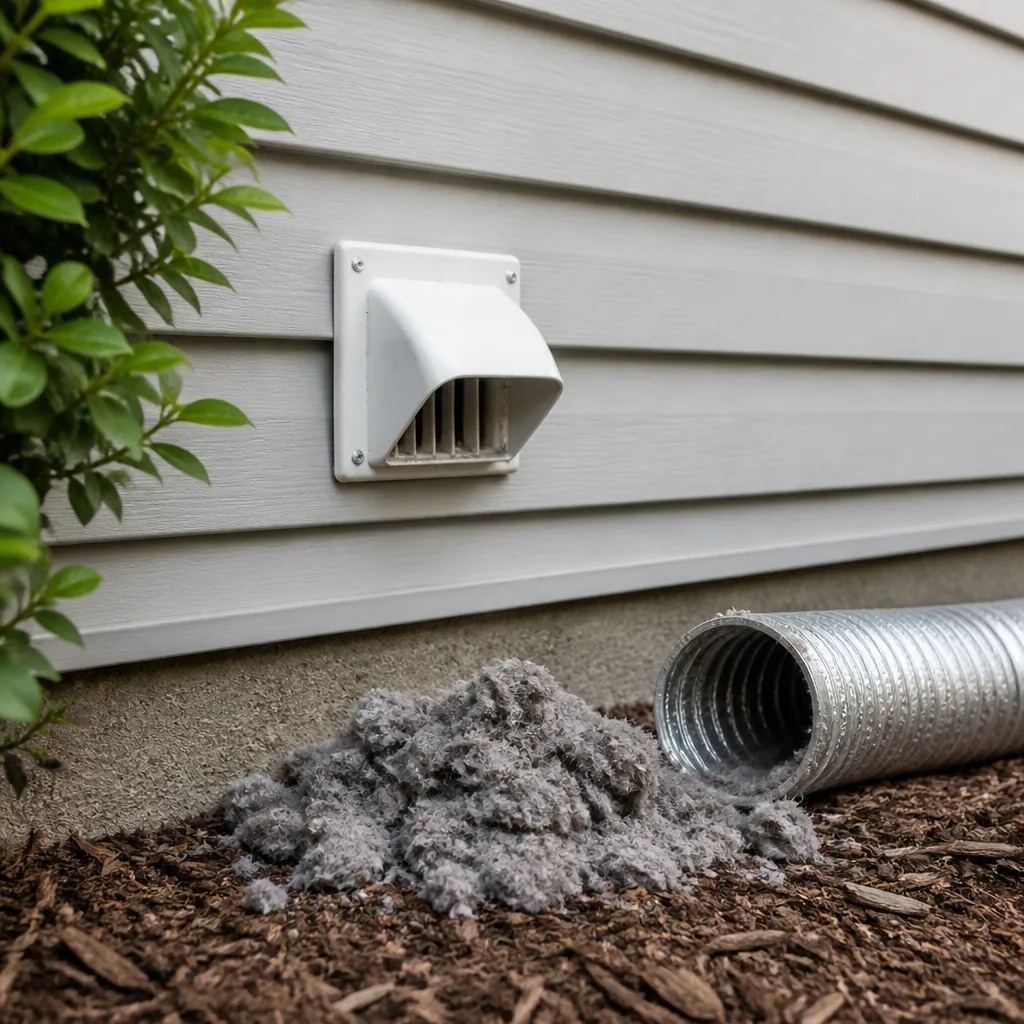 Dryer vent cleaning
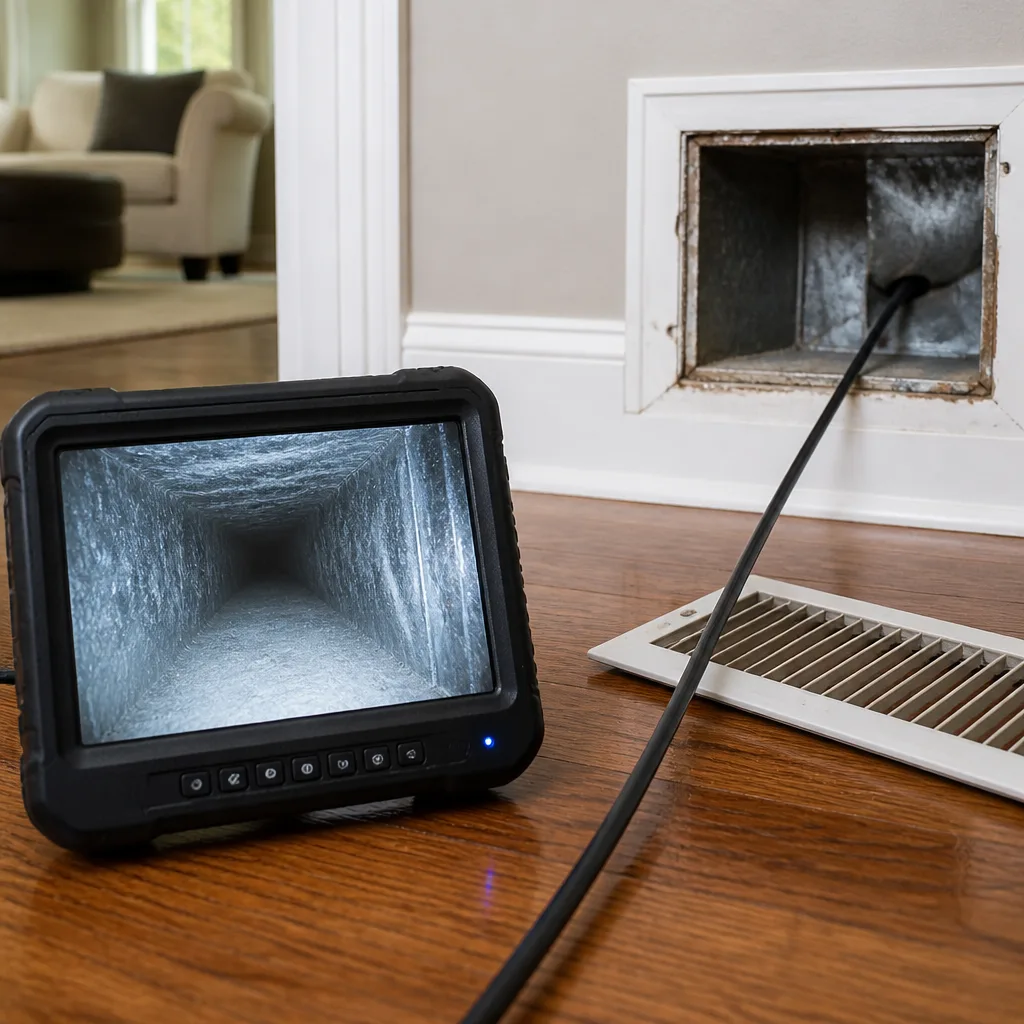 Camera inspection
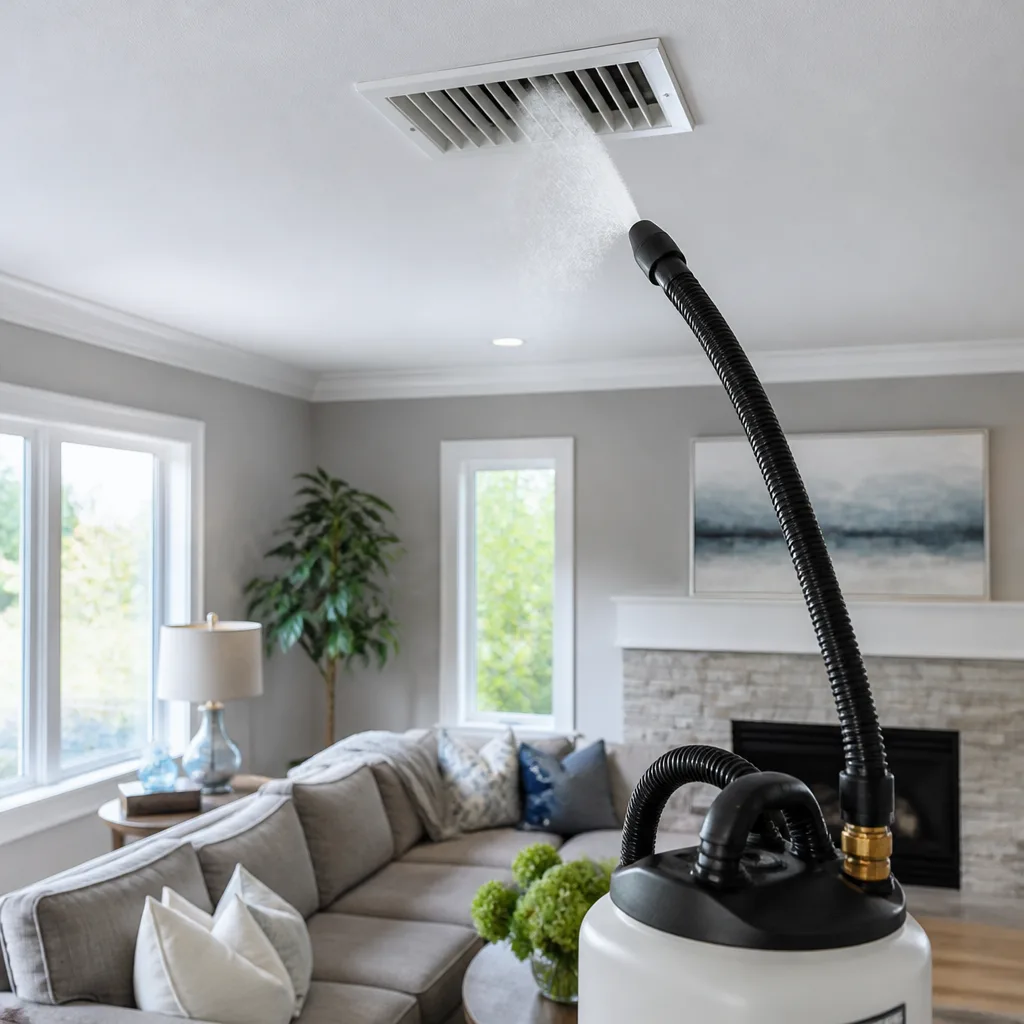 Sanitizing & deodorizing
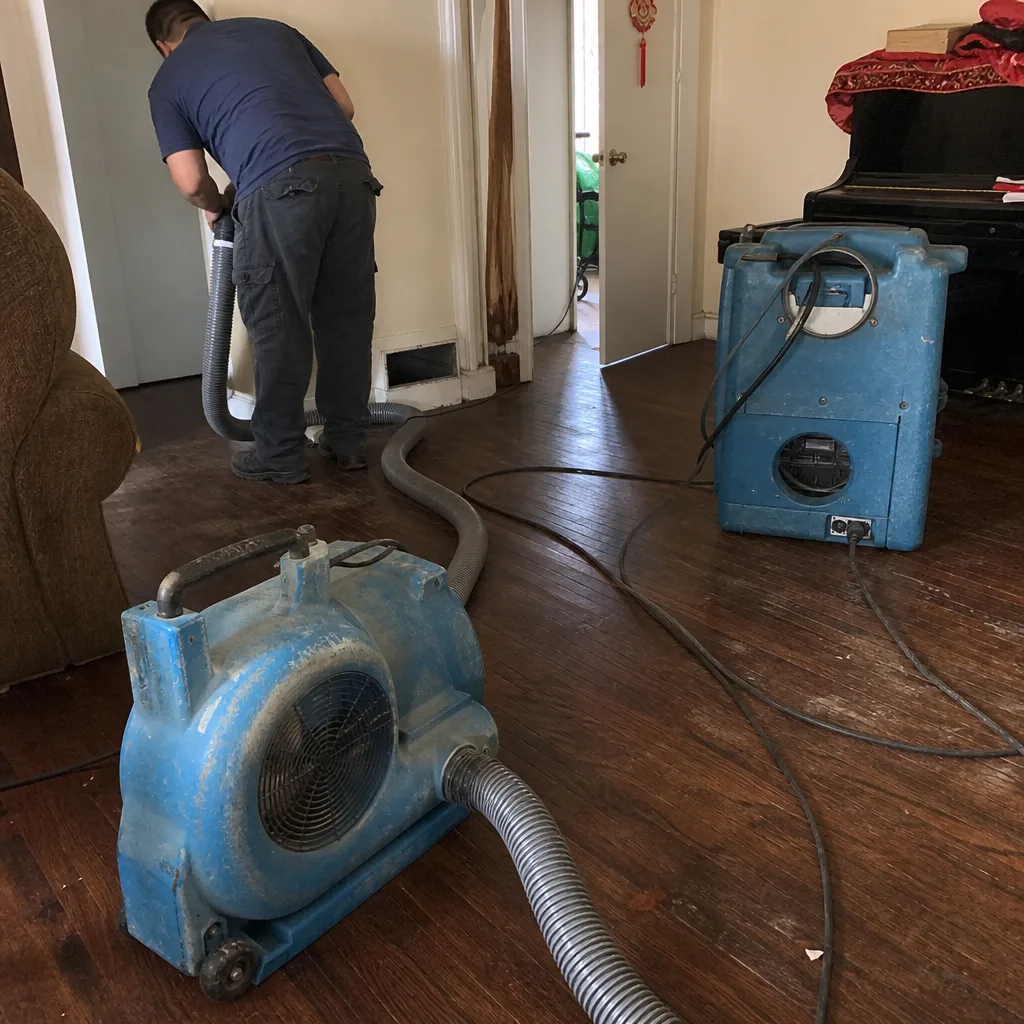
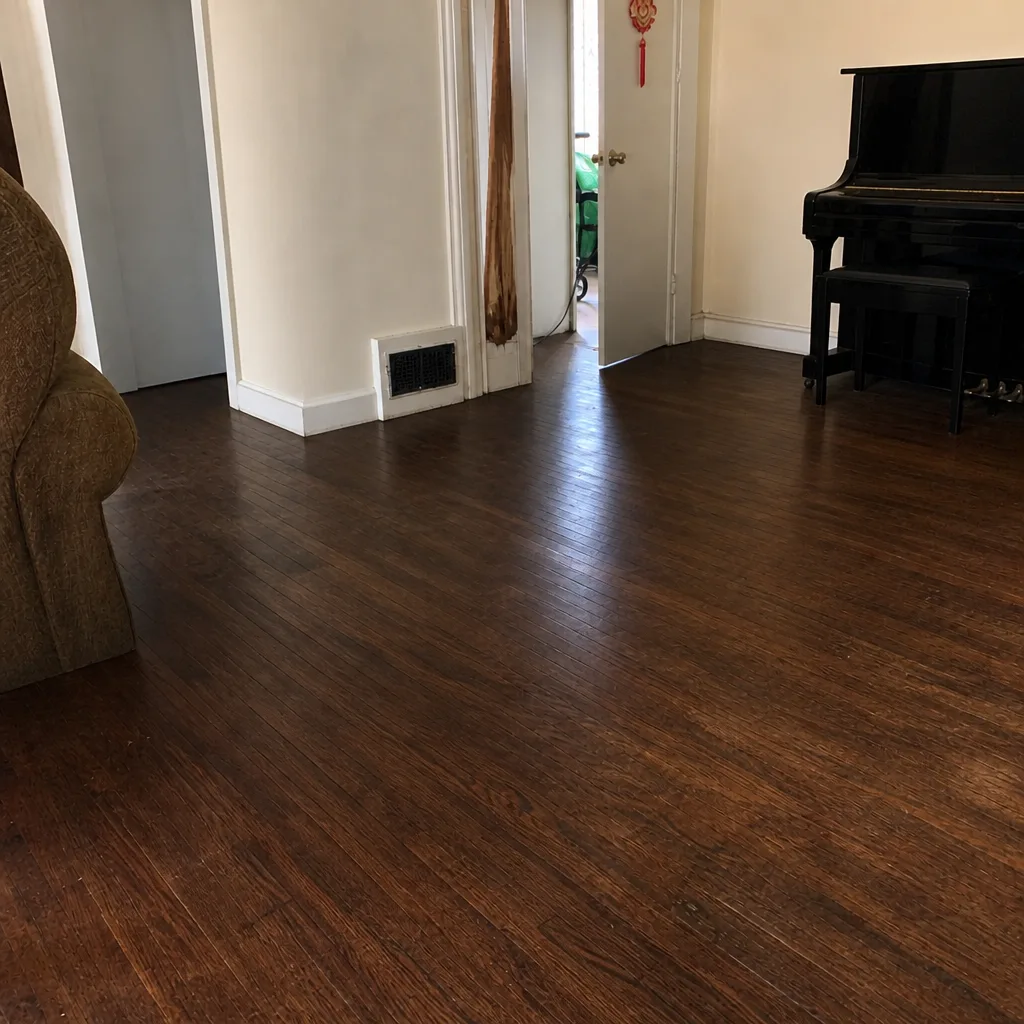
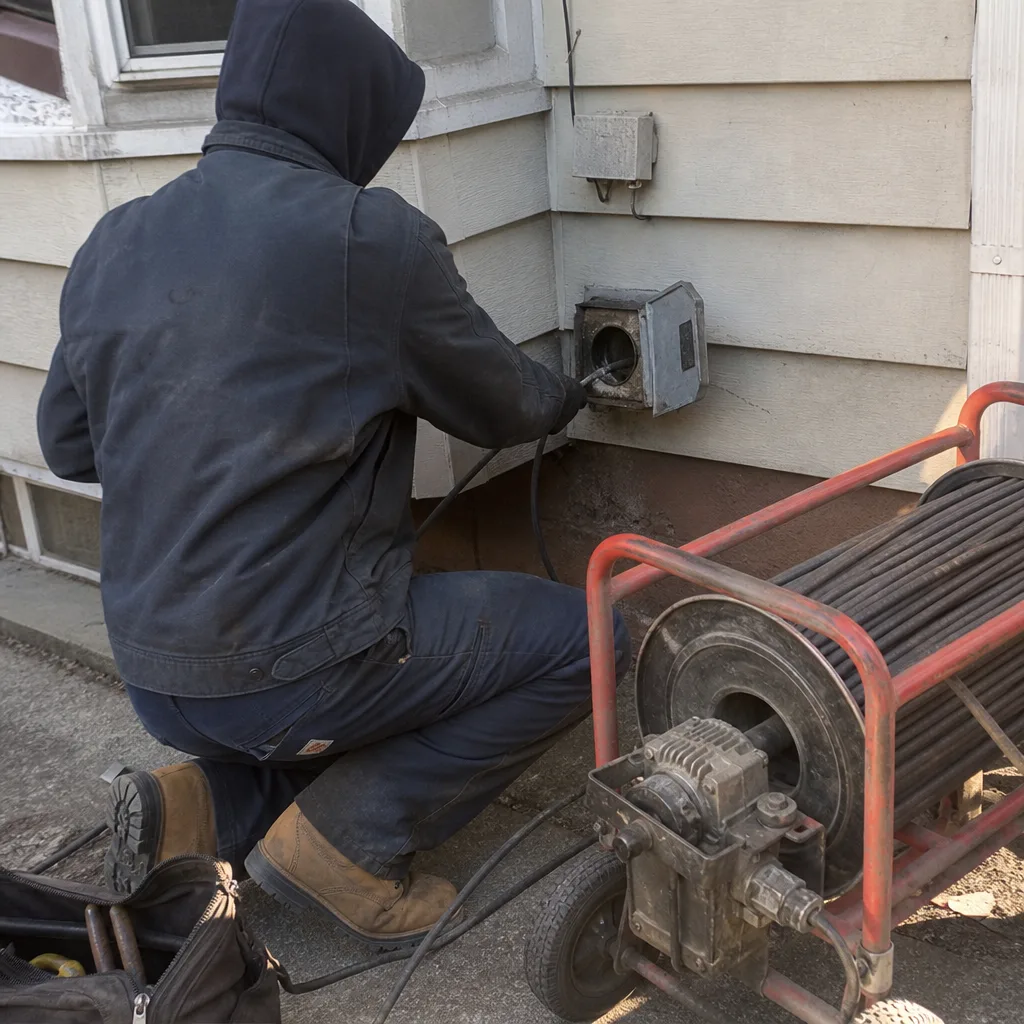
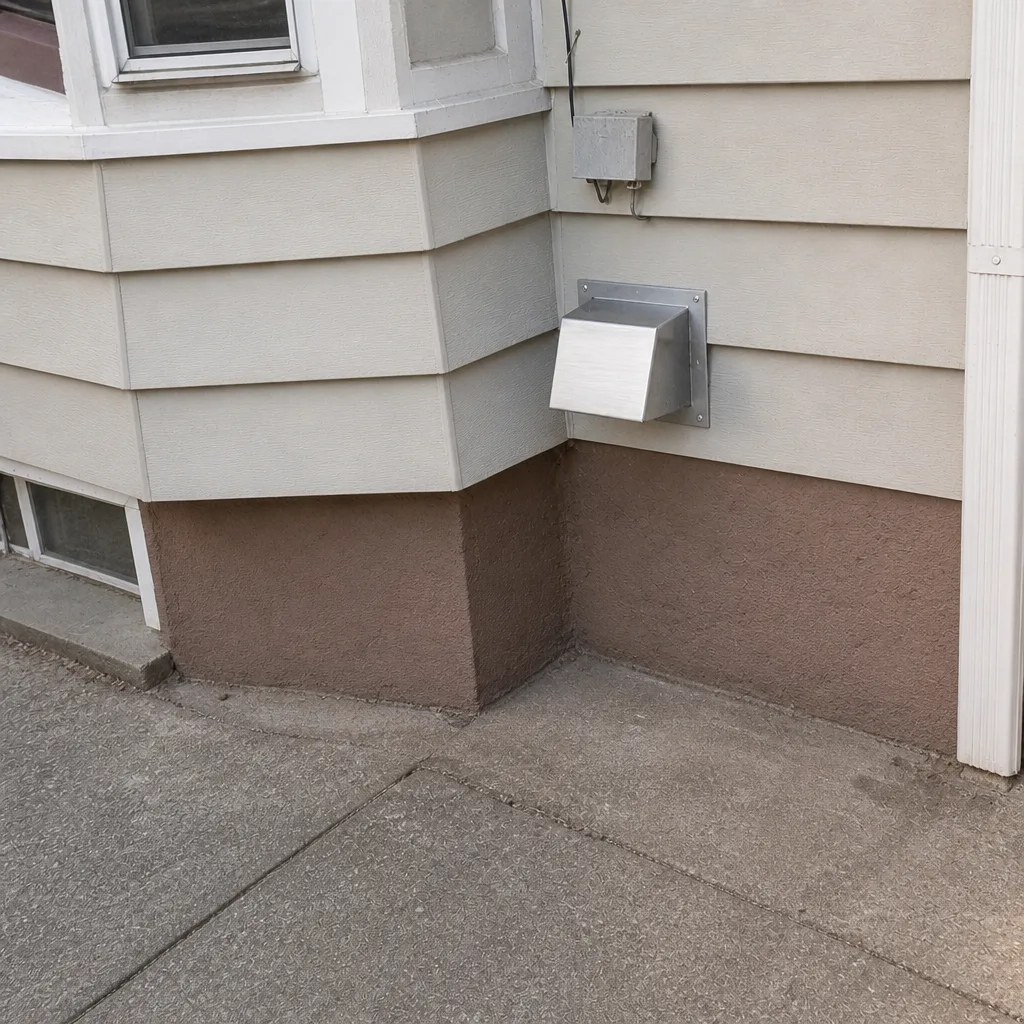
Whole-system duct and dryer vent check with before-and-after photos - you see exactly what came out of your vents
That "$99 whole-house special" is a bait ad - the real number appears once they are in your hallway, or the "clean" is a shop-vac at the register. We photograph the inside of your ducts before and after instead.
Air Duct Cleaning Emergency Preparedness Guide for Sunset Park Homes
After a kitchen fire, most families focus on what they can see: scorched cabinets, blackened walls, the smell that lingers for weeks. The duct system that was running while the fire burned is rarely part of the conversation. That’s the gap this guide fills. Air moving through a return grille during smoke, water, or construction doesn’t stay put. It carries soot, moisture, and particulate into every branch of the system and delivers it back into rooms that look clean. Running the HVAC again before the ductwork is assessed embeds that contamination into supply registers and filter media, and it can turn a manageable cleanup into a much longer job. Here’s how Sunset Park homeowners can build duct assessment into an emergency plan before anything goes wrong, and what to do in the first hours after it does.
Styles & brands we work with
- Whole-home duct cleaning
- Dryer vent cleaning
- Camera inspection
- Sanitizing & deodorizing
Quick Answer
After a fire, flood, vermin intrusion, or major renovation, shut the HVAC system off and have the ductwork professionally assessed before running it again. Contaminants that enter the ducts during an emergency get distributed through every room, and timely assessment – ideally within the first 48 to 72 hours for water events – is what determines whether the system can be cleaned or whether damaged sections need repair and sealing. In Sunset Park, where many homes are older rowhouses and multifamily buildings with shared walls and long duct runs, the stakes are higher because contamination can move between units.
Table of Contents
- Why the Duct System Is the Most Overlooked Part of Any Emergency Plan
- Post-Fire Protocol: What to Do in the First Hours
- Flood and Water Intrusion: The 48 to 72 Hour Window
- Vermin Intrusion: Rodents, Ducts, and Biological Contamination
- Post-Renovation Contamination: Drywall Dust and Construction Particulate
- How to Document Duct Damage for Insurance Claims
- Building a Duct Emergency Plan Before You Need One
- Common Mistakes to Avoid
- When to Call a Professional
- Frequently Asked Questions
Why the Duct System Is the Most Overlooked Part of Any Emergency Plan
Most household emergency checklists cover smoke detectors, fire extinguishers, shutoff valves, and a go-bag. Almost none of them mention the duct system. That’s a real gap, and it explains why so much secondary damage happens after the event itself is over.
The duct system is a distribution network. When the air handler runs, it pulls air from return grilles throughout the home and pushes it back through supply registers into every room. Whatever is in the airstream – soot, moisture-laden dust, rodent droppings, gypsum dust – travels the same route. A kitchen fire that stays visually contained to one room still sends smoke into the return system, and the furnace or air handler will carry it into bedrooms and closets that never saw a flame. Water that wicks into insulated flex duct or collects in low-lying trunk lines creates a moisture reservoir that gets recirculated every time the system runs.
In Sunset Park, this matters for structural reasons as much as anything. The neighborhood’s housing stock is dominated by early-to-mid 20th century rowhouses and multifamily buildings, and many of them have long, branching duct runs, older galvanized or flex sections, and shared mechanical chases between units. Contamination doesn’t stay neatly on one floor or one side of a shared wall. We’ve seen how quickly a problem in one unit becomes a complaint from a neighbor, which is exactly why assessment should happen early. Sunset Park’s dense, attached housing makes a fast, professional read of the system worth the call.
It’s also worth understanding what a proper assessment looks like, because a service that just runs a brush through a trunk line and leaves isn’t one. Professional assessment means looking at the whole system: return side, supply side, the air handler, the filter housing, and any accessible duct runs. It means identifying whether contamination is surface-level debris or something that has penetrated insulation and needs repair and sealing. That’s the difference between a surface clean and actually fixing the problem.
The good news is that air duct cleaning done correctly, with professional-grade equipment and a full assessment, handles most post-emergency scenarios. The key is that it happens at the right time, not months later.
Post-Fire Protocol: What to Do in the First Hours
A fire doesn’t have to reach a duct to contaminate it. Smoke travels. When the air handler is running during or after a fire, it pulls soot into the return system and distributes it. Even when the system is off, residue settles into duct interiors and filter housings. Here’s the sequence that gives you the best shot at a clean recovery.
- Shut down the HVAC system immediately. Turn the thermostat to off and, if you can safely reach it, switch off the breaker that serves the air handler or furnace. Don’t run the system “just to see if it’s fine.” Every cycle moves more contamination.
- Don’t run fans or portable air conditioners. Window units and box fans recirculate the same soot-laden air. Open windows only if outdoor air quality is better than indoor and the fire department says it’s safe.
- Change the filter – but don’t stop there. A fresh filter catches what comes through, but soot that has already settled into duct surfaces and insulation won’t be removed by a filter change. The filter is a stopgap, not a fix.
- Document what you can see. Photograph soot on registers, stains around return grilles, and any visible smoke residue near the air handler. This helps both the assessment and the insurance claim.
- Schedule a professional assessment before restarting the system. A qualified technician will inspect the return and supply side, check the filter housing, and determine whether the contamination is on duct surfaces, in the insulation, or in the air handler itself.
What soot contamination looks like inside a duct is usually visible at the register: a fine dark film on the grille vanes, a grayish coating just inside the boot, or a smoke smell that returns within minutes of running the system. Soot is acidic and oily. Left in place, it can degrade flex duct lining and motorized dampers over time, and it will off-gas into the living space every time the system runs. That smell isn’t cosmetic. It’s a sign the system hasn’t been cleaned.
Timing matters because soot that bonds to duct surfaces with heat and moisture becomes harder to remove as it cures. The sooner the system is assessed and cleaned, the more of the original duct surface is recoverable. For post-fire work, we bring Abatement Technologies negative-air containment so that the cleaning process doesn’t redistribute fine particulate through the home while we’re working. That matters in a tight Sunset Park rowhouse where the air handler often sits in a closet off a hallway.
Flood and Water Intrusion: The 48 to 72 Hour Window
When water enters a home, the 48 to 72 hour window is the one everyone talks about for walls and flooring. The same window applies to ductwork, and it’s even less forgiving. Moisture plus organic dust plus warm air is exactly what mold needs. Duct interiors are dark, enclosed, and often insulated – a near-perfect environment once they get wet.
Water reaches ducts in more ways than people expect. A burst pipe on an upper floor can run down through a ceiling cavity into a return chase. A basement flood can submerge low-lying galvanized trunk lines. A roof leak can wet insulated flex duct in an attic. Backed-up drains and sump failures do the same. In Sunset Park, where many buildings have garden-level or basement mechanical spaces and older, sometimes undersized drainage, a heavy rain event can push water into places the homeowner never sees.
What professional assessment after a water event must include:
- A moisture check of accessible duct surfaces and insulation. Flex duct insulation that has been wet is not restorable; it holds moisture and should be replaced, not dried in place.
- Inspection of the air handler and filter housing. Water sitting in a filter housing or on the evaporator coil is a biological growth site.
- Verification of the return side. Returns are often the lowest point in the system, which means they collect water first and dry last.
- A repair-and-seal evaluation. Water-damaged seam tape, disconnected joints, and sagging sections are exactly where air loss and contamination start. Cleaning without repairing those gaps leaves the problem half-solved.
- Sanitizing where biological growth is present or suspected. Cleaning removes debris; sanitizing addresses what’s left on the surface. We use Guardsman-grade cleaning protection as part of the sanitizing process, and Abatement Technologies HEPA-level filtration to keep the work area contained.
If water has reached the system, don’t run the HVAC to “dry it out.” That’s the fastest way to spread moisture-laden air and any growth that’s already started through the house. Get the system assessed first. If the water event is fresh and the ducts are still wet, that assessment should happen within 48 to 72 hours.
Vermin Intrusion: Rodents, Ducts, and Biological Contamination
Rodents treat duct systems as highways. Flexible duct, disconnected joints, and gaps around register boots are all entry points, and once inside, mice and rats travel the whole network, nest in insulation, and leave droppings and urine on duct surfaces. This isn’t a nuisance problem. Rodent waste in a duct system is biological contamination, and standard vacuuming does not address it.
The signs are usually there before anyone sees an animal: a musky or ammonia smell that gets stronger when the HVAC runs, scratching sounds in walls or ceilings near duct chases, droppings in the filter housing or on top of the air handler, gnaw marks on flex duct or insulation, and a sudden uptick in allergy-type symptoms in one part of the home. In Sunset Park’s older multifamily buildings, rodents often move along shared wall cavities and mechanical chases, so a problem in one unit can involve ductwork that serves several rooms or floors.
What professional response looks like for vermin contamination:
- Locate and seal the entry points. Cleaning without sealing just invites the next intrusion. Duct repair and sealing closes gaps at joints, boots, and transitions.
- Remove contaminated material, not just debris. Insulation that has been soiled by rodents typically needs to be removed and replaced. Vacuuming a soiled surface leaves residue behind.
- Clean the full system with HEPA-level extraction. This is where equipment matters. Rotobrush and Nikro systems are purpose-built for duct interiors and use HEPA filtration to capture fine particulate rather than redistributing it into the room.
- Sanitize with containment in place. Negative-air containment keeps biological particulate from spreading through the home during the sanitizing step, and it’s essential in occupied buildings.
- Verify with photos. Before-and-after photos of the ducts themselves show what was removed and what the surfaces look like after cleaning. Ask for them.
Standard cleaning is not enough for this scenario. If a company quotes a flat “duct cleaning” price after a rodent problem without talking about sealing, sanitizing, or insulation replacement, they’re quoting the wrong job. This is one of the reasons our full scope matters: cleaning, repair and sealing, and sanitizing can happen in one visit rather than across three separate contractors.
Post-Renovation Contamination: Drywall Dust and Construction Particulate
Drywall dust is one of the most damaging materials you can leave in a duct system. It’s fine, abrasive, and it settles everywhere. It coats fan blades, clogs filter media, and packs into the fins of evaporator coils where it reduces heat transfer and forces the system to run longer. In a renovation that involves sanding, cutting, or demolition, dust doesn’t stay in the work area – it rides the return air into every room of the house.
Specific indicators that construction particulate has entered the system:
- White or gray dust settling on supply registers in rooms that were never part of the renovation.
- A fine powdery film on furniture and horizontal surfaces that returns within a day or two of cleaning.
- Filters that load up in weeks instead of months.
- Reduced airflow at registers, or a system that seems to run longer to reach the same temperature.
- A faint chalky smell when the heat or AC kicks on.
The response steps, in order:
- Seal off the work area during the renovation. This is prevention, and it’s the cheapest step in the whole process. Plastic sheeting and zip walls around return grilles in the work zone stop most of the problem before it starts.
- Change the filter as soon as the work ends. Not in a week. Immediately.
- Have the system professionally cleaned. Drywall dust in the air handler and coil needs extraction with professional equipment. A shop vacuum at the register won’t reach the trunk lines or the coil.
- Check for gaps and disconnections afterward. Tradespeople moving through ceilings and walls can knock duct joints loose. Sealing those gaps restores airflow and stops the next round of contamination.
In Sunset Park, where many homes are renovated in stages while people live in them, drywall dust has time to work its way into the whole system over weeks. Treating the duct system as part of the renovation cleanup, not something you’ll get to eventually, is what keeps it out of the air handler.
How to Document Duct Damage for Insurance Claims
Insurers pay for what’s documented, not what’s remembered. Duct damage is routinely under-documented because it’s out of sight, which means claims get denied or underpaid on the grounds that the damage wasn’t proven. Building a clean record before, during, and after the event is what makes the difference.
What insurers typically want to see:
- Photographs of the visible damage. Soot on registers, stains near return grilles, water marks on duct insulation, droppings in the filter housing, and any visible sagging or disconnection. Take more than you think you need, and take them before anyone cleans anything.
- A written assessment from a qualified technician. A plain-language report describing what was found in the duct system, what was accessible for inspection, and what the recommendation is. Photos from inside the ducts, taken with a camera, are worth including.
- Before-and-after documentation of the work performed. If cleaning or repair was done, photos showing the condition before and the result after are the clearest proof of loss and remediation.
- Scope and invoice detail. A written estimate that breaks out cleaning, repair and sealing, and sanitizing separately reads better to an adjuster than one lump line item.
- Timeline documentation. Note the date of the event, when the system was shut down, and when the assessment was done. A short timeline supports the argument that the damage was addressed promptly and wasn’t preexisting.
We can work with your insurer and provide written assessments and photographs of the system as part of the job. What we can’t do is tell you what your policy covers; that’s a conversation with your adjuster. Get the documentation in hand early, keep it organized, and don’t let the ducts get cleaned before the photos are taken.
Building a Duct Emergency Plan Before You Need One
Most of what makes an emergency recovery go smoothly is decided before the emergency. A little planning for Sunset Park homeowners goes a long way, especially in older rowhouses and multifamily buildings where duct access can be tight.
- Know where your HVAC shutoff is. If it’s a breaker, label it. If it’s a switch at the air handler, know which one it is. The first five minutes after a fire or flood are when knowing this matters most.
- Know where your filter goes and keep a spare on hand. A fresh filter ready to install is a low-cost way to keep the biggest particles out of the airstream while you wait for an assessment.
- Note the layout of your duct system. Which rooms have returns? Where’s the air handler? Are there registers in the basement or garden level? A quick sketch or a phone photo of each register helps when you’re talking to a technician.
- Keep a small emergency kit with a flashlight, a camera or phone charger, and plastic sheeting. Sheeting is what seals off a work area or covers a return during a renovation.
- Have a regular duct cleaning relationship before something goes wrong. A system that’s already clean and sealed after an event is easier and faster to assess. Ongoing habits like HVAC cleaning keep the air handler and coil from becoming a heavier lift after a fire or flood.
One item that deserves its own line: dryer vent cleaning. Lint buildup in a dryer vent is one of the leading causes of residential fires, and it’s completely preventable. If your emergency plan covers fire prevention, it shouldn’t skip the vent. A clogged vent is the kind of fire that starts in a place most people never look. Treating it as part of the same home air system, not a separate errand, is how Sunset Park homeowners get ahead of the risk.
Finally, if you’re a property manager in Sunset Park, build duct assessment into your building emergency protocol. Shared walls and shared mechanical systems mean one event affects more than one unit, and a clear procedure for shutting down and assessing the HVAC is what protects both the building and the tenants.
Common Mistakes to Avoid
- Running the HVAC “just to see if it works” after a fire. Every cycle pulls more soot into the airstream and into every room of the house. Leave it off until the system has been assessed.
- Waiting on water damage because the ducts “look fine.” The 48 to 72 hour window closes whether or not you can see the moisture. In Sunset Park’s older housing stock, duct runs in basements and mechanical chases are exactly where water hides.
- Hiring a coupon-price cleaning crew for a contaminated system. A low price almost always means a blow-and-vacuum pass with no sealing, no containment, and no photos. For post-fire or post-flood work, that’s not a cleaning, it’s a redistribution.
- Skipping duct repair after vermin or water damage. Cleaning without sealing leaves gaps open and invites the next intrusion. Repair and sealing is what makes the cleaning last.
- Letting drywall dust ride in the system for weeks after a renovation. Abrasive particulate damages coil fins and fan blades, and once it’s packed in, extraction takes longer. Address it as soon as the work is done.
- Cleaning before photographing. If you think you’ll have an insurance claim, get photos of the visible damage and an assessment first. Cleaned ducts are harder to prove contaminated.
- Ignoring the dryer vent while you’re at it. If a fire or flood prompts a full review of the home’s air system, the dryer vent is part of that review. It’s a fire risk and it’s rarely checked. Sunset Park apartments often have long vent runs that need a professional look.
When to Call a Professional
Call for an assessment if any of these apply: the HVAC system ran during or after a fire; water reached the basement, ceiling, or mechanical space; you’ve seen rodents or evidence of them near ducts or the air handler; a renovation involved drywall, sanding, or demolition; the system smells musty or smoky when it runs; or filters are loading faster than usual. Any of those scenarios means the system needs a professional look before it’s put back into service. Air Duct Cleaning Sunset Park offers free estimates in Sunset Park – call (844) 351-1795. We answer 24/7. Fast dispatch from 7am to 7pm, Sunday through Friday. Our technicians have up to 9 years of experience and use Rotobrush and Nikro equipment, plus Abatement Technologies containment and Honeywell or Aprilaire filtration products where they fit the system. Every job starts with an assessment and a flat price per system agreed before work begins.
Frequently Asked Questions
No. Shut the system off immediately and have the ductwork assessed before running it again. Smoke and soot travel through the return system and get distributed to every room, so running the HVAC after a fire embeds contamination into supply registers, filter media, and duct surfaces. A professional assessment will tell you whether cleaning alone is enough or whether sections need repair and sealing. Call (844) 351-1795 for a free estimate – we answer 24/7.
Within 48 to 72 hours if the ducts stayed wet. That window is the standard benchmark for preventing mold growth, and duct interiors are more susceptible than most surfaces because they’re dark, enclosed, and often insulated. Water-damaged flex duct insulation typically needs replacement rather than drying in place. In Sunset Park’s older buildings, low-lying return lines and basement mechanical spaces are the most common places water collects, so don’t wait for visible signs. Call (844) 351-1795 for an assessment – estimates are free.
Not by itself. Rodent intrusion requires sealing entry points, removing soiled insulation, HEPA-level extraction, and sanitizing with containment. Cleaning a system that’s had rodents without sealing it just invites the next intrusion, and standard vacuuming doesn’t remove the biological residue left on duct surfaces. Ask specifically about repair and sealing, insulation replacement, and negative-air containment during sanitizing. Call (844) 351-1795 to schedule an assessment.
Ask for before-and-after photos of your own ducts. A credible crew takes photos inside the system before cleaning, documents the work, and shows the surface condition afterward. If a company won’t provide photos, or if the price was quoted per vent rather than per system, treat it as a red flag. A flat price per system agreed before work starts, photos of your ducts, and a clear scope covering cleaning, repair and sealing, and sanitizing are the things to look for. Call (844) 351-1795 for a free estimate with a written scope.
Often, yes, when the damage is documented as part of the loss. Insurers generally want photographs of visible damage, a written assessment from a qualified technician, a scope and invoice with line items, and a timeline showing the system was addressed promptly. We can work with your insurer and provide those documents as part of the job. Coverage decisions are your adjuster’s call, so start the paperwork early and get photos before anyone cleans. Call (844) 351-1795 to schedule a documented assessment.
Usually because the scope is smaller than the problem. Low quotes tend to cover a quick vacuum pass with consumer-grade equipment, no containment, no seal repair, no sanitizing, and no photos – which is the wrong service for a post-emergency job. For post-fire, post-flood, and post-renovation work, the service you need includes HEPA extraction, sealing, containment, and documentation. Get a written scope and a flat price per system before anyone starts. Call (844) 351-1795 for a free estimate.
The Bottom Line
An emergency plan that doesn’t cover the duct system has a hole in it. After a fire, flood, vermin intrusion, or major renovation, the ducts are the path contamination takes to every room in the house, and the first step is always the same: shut the HVAC off and get the system assessed. Timing matters – within 48 to 72 hours for water events, before restarting for fire. Document the damage before anyone cleans, insist on a written scope and a flat price per system, and ask for before-and-after photos of your own ducts. Sunset Park’s older rowhouses and multifamily buildings make all of this more important, not less. Air Duct Cleaning Sunset Park handles cleaning, repair and sealing, sanitizing, HVAC cleaning, and dryer vent work as one full-scope service. For a free estimate, call (844) 351-1795. We answer 24/7. Fast dispatch from 7am to 7pm, Sunday through Friday.
Written by the team at Air Duct Cleaning Sunset Park.
See the difference
 Before
 After
 Before
 After
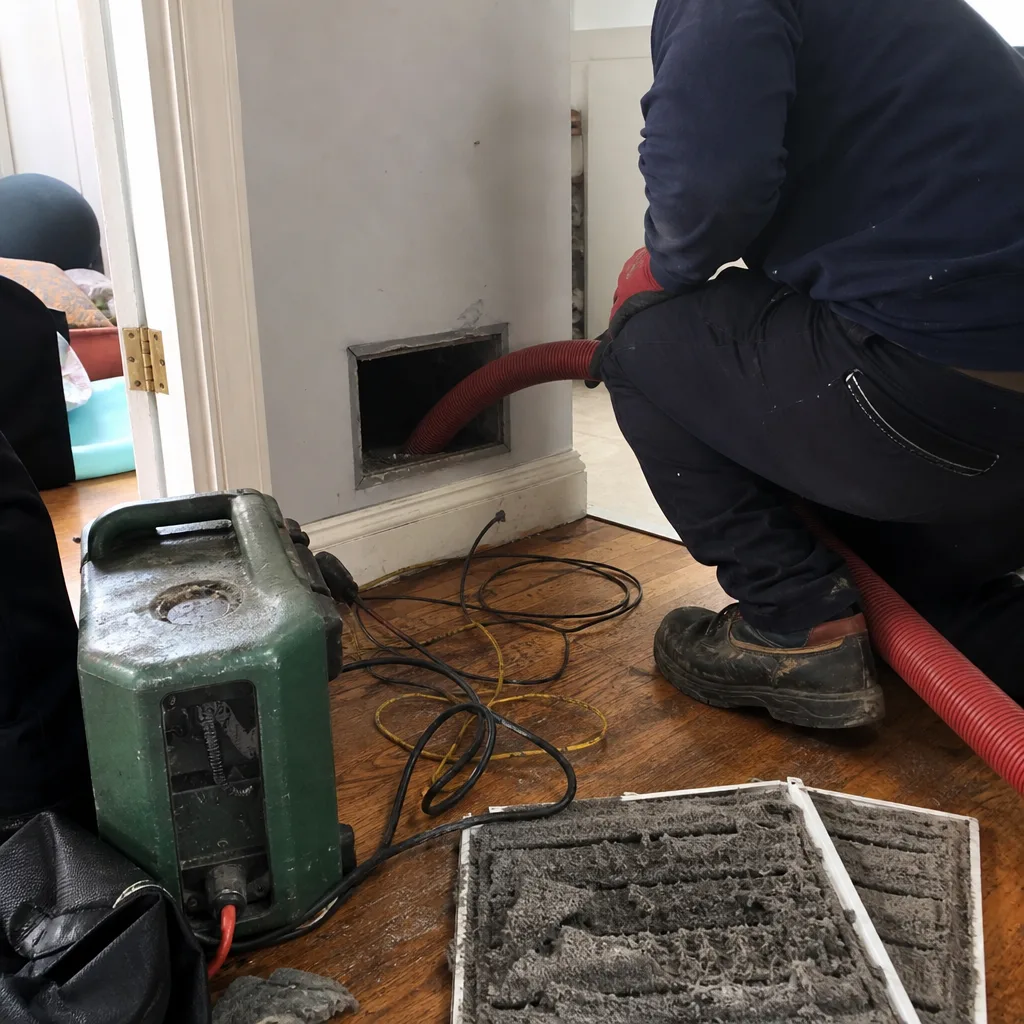 Before
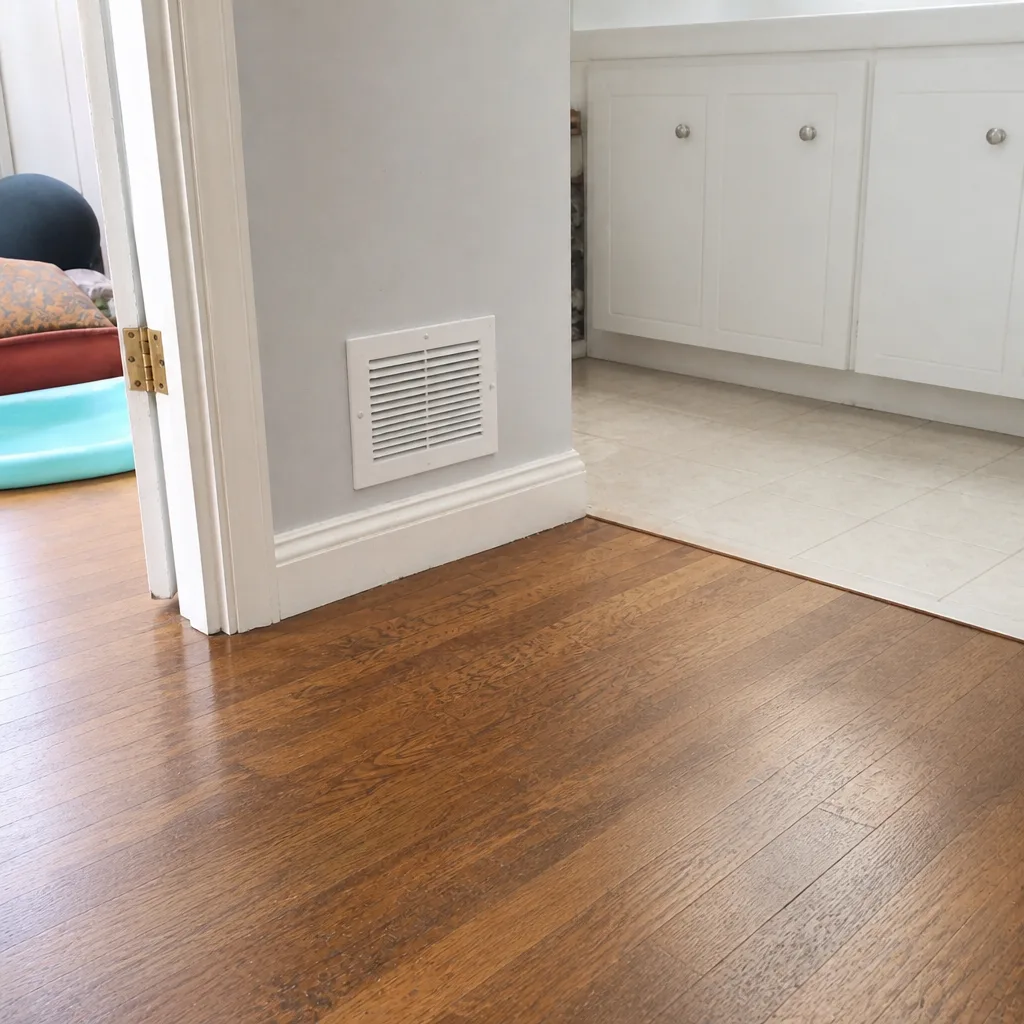 After