
Last updated November 22, 2026
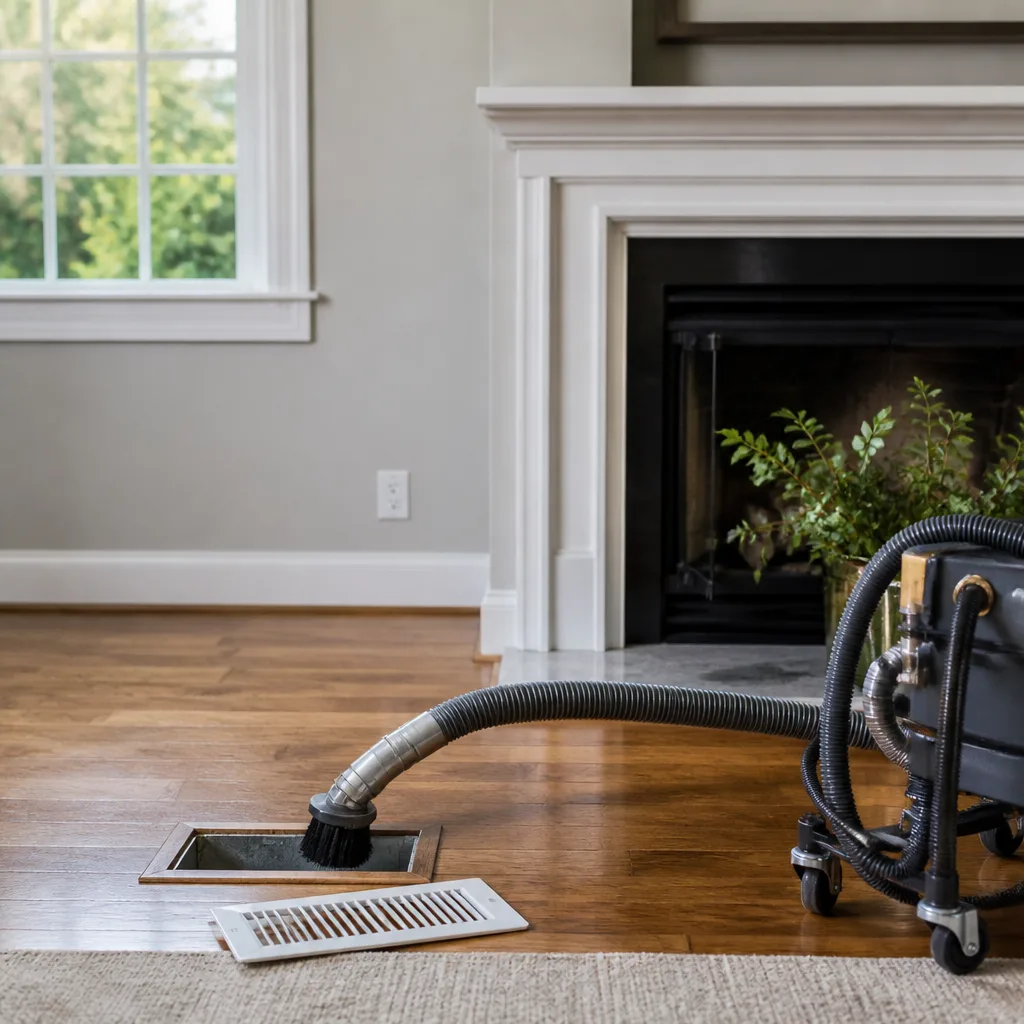 Whole-home duct cleaning
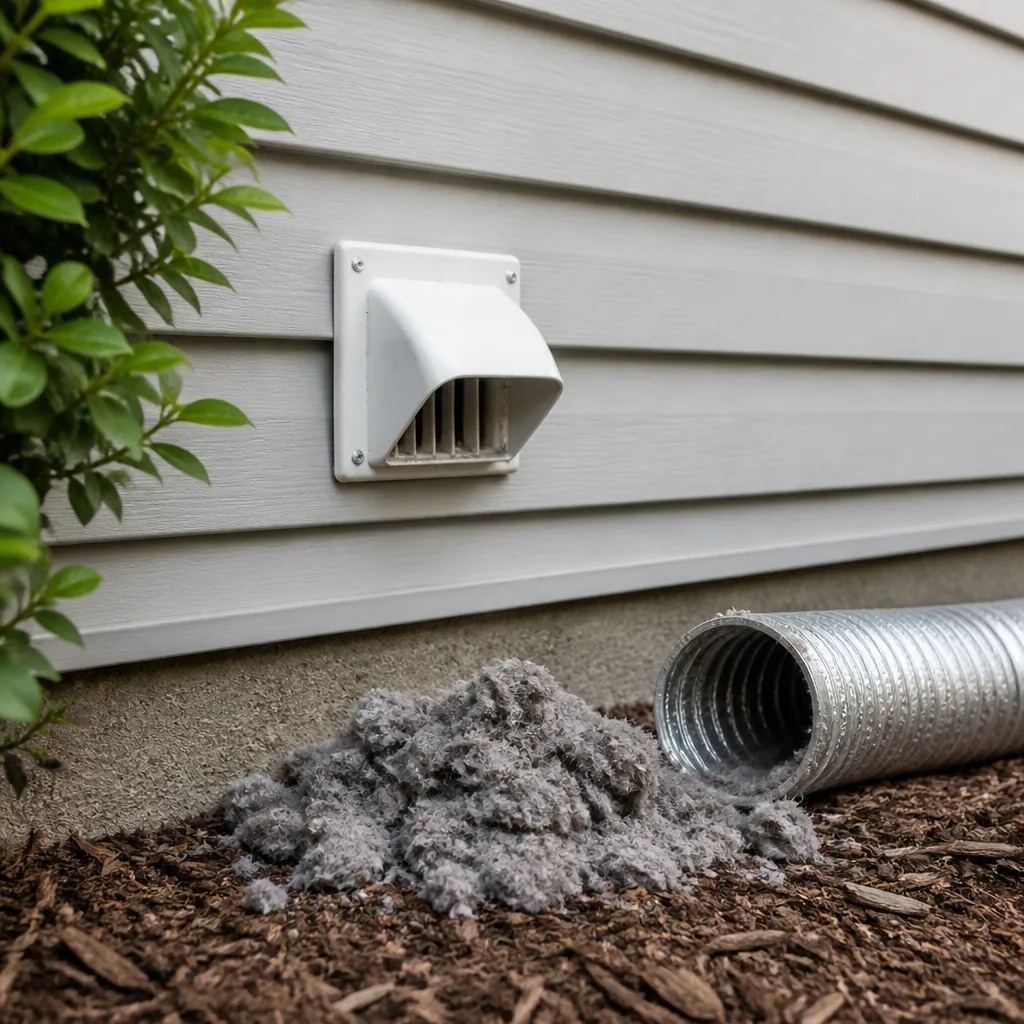 Dryer vent cleaning
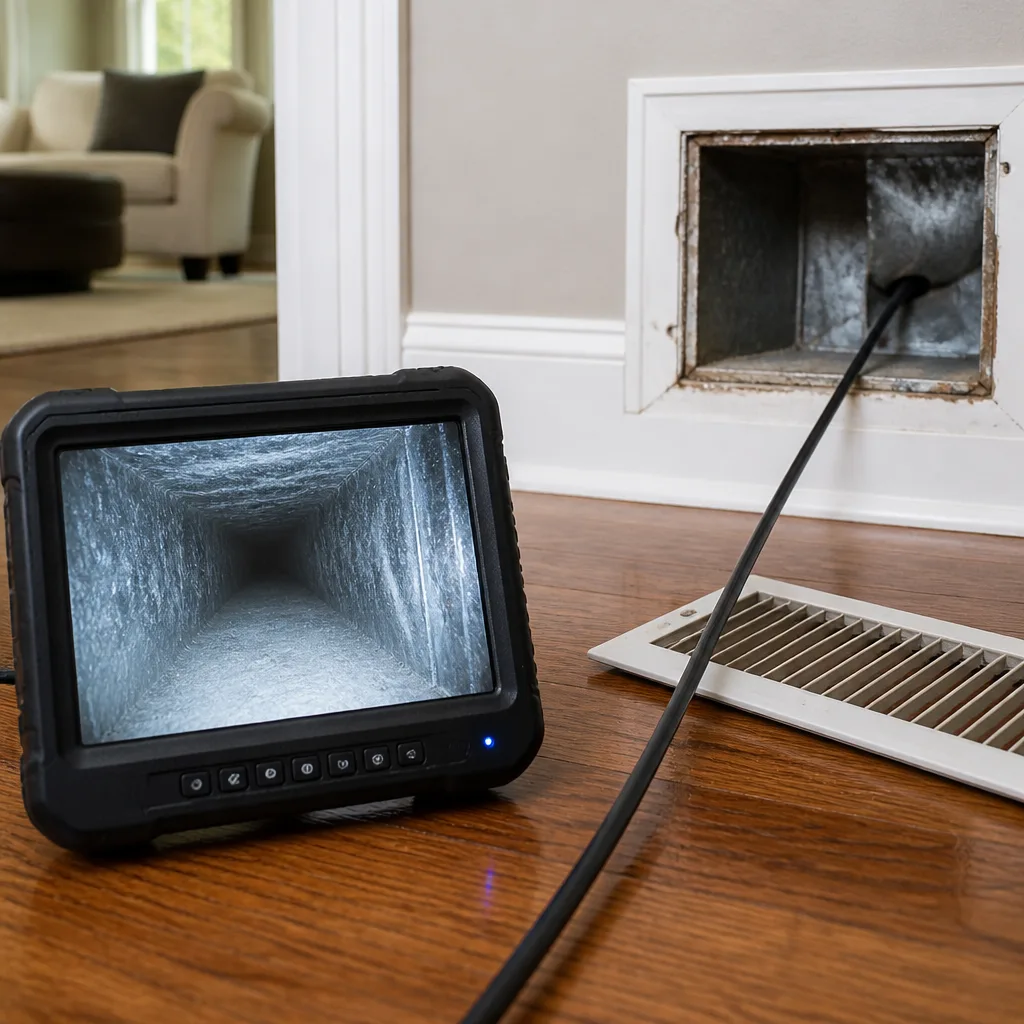 Camera inspection
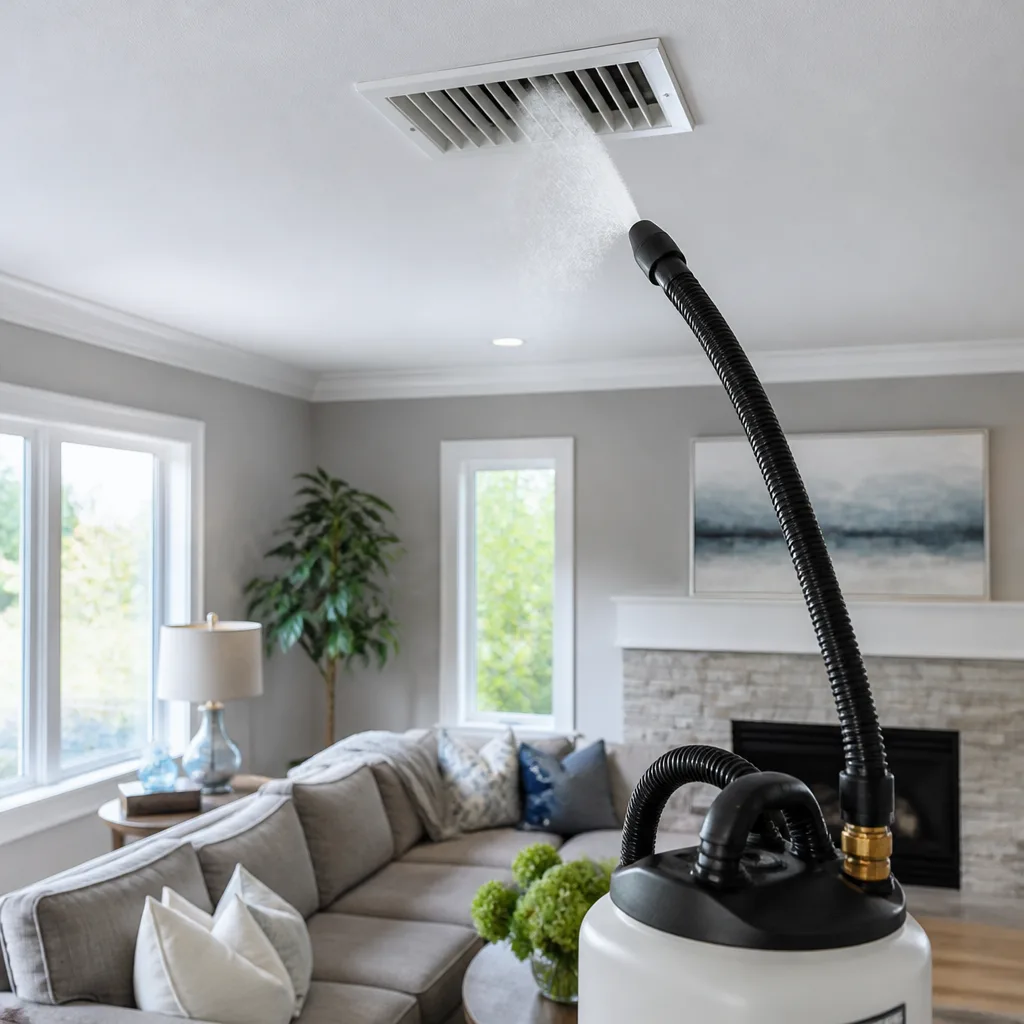 Sanitizing & deodorizing
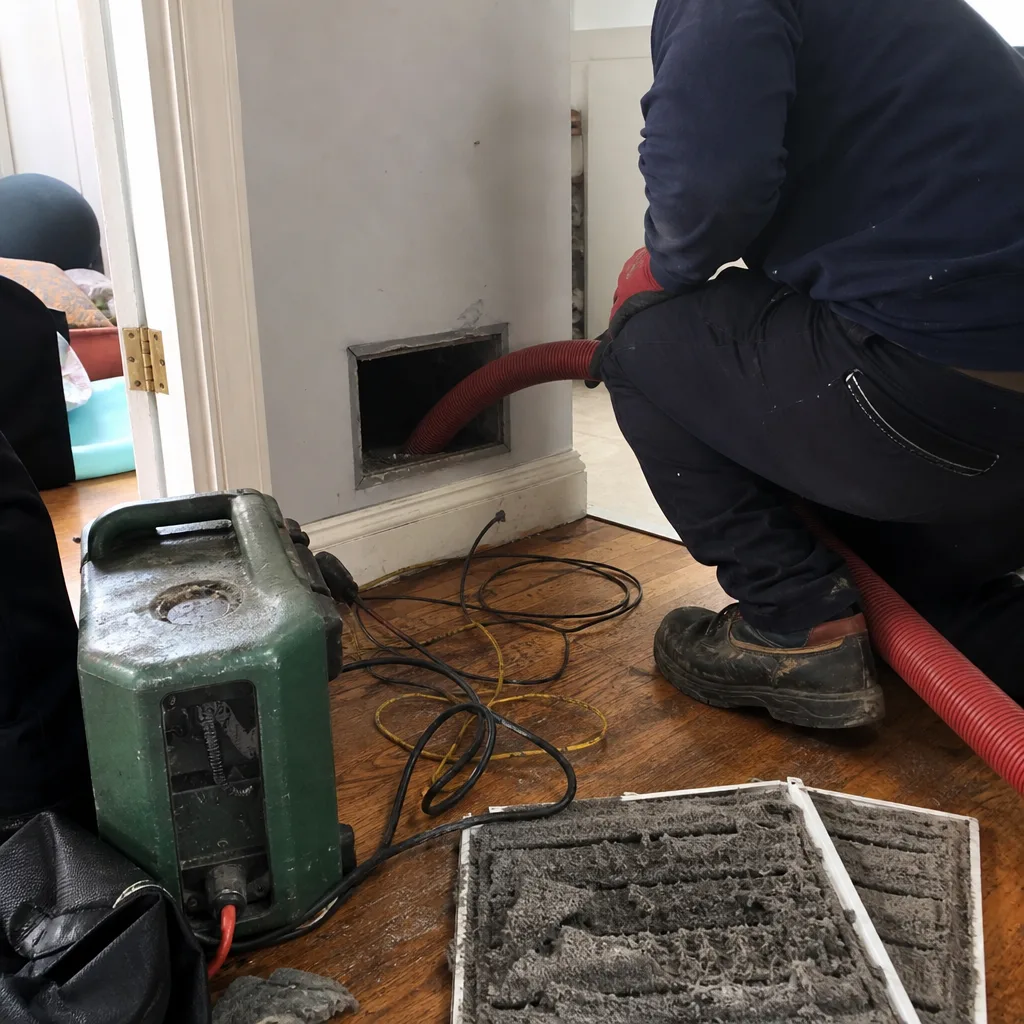
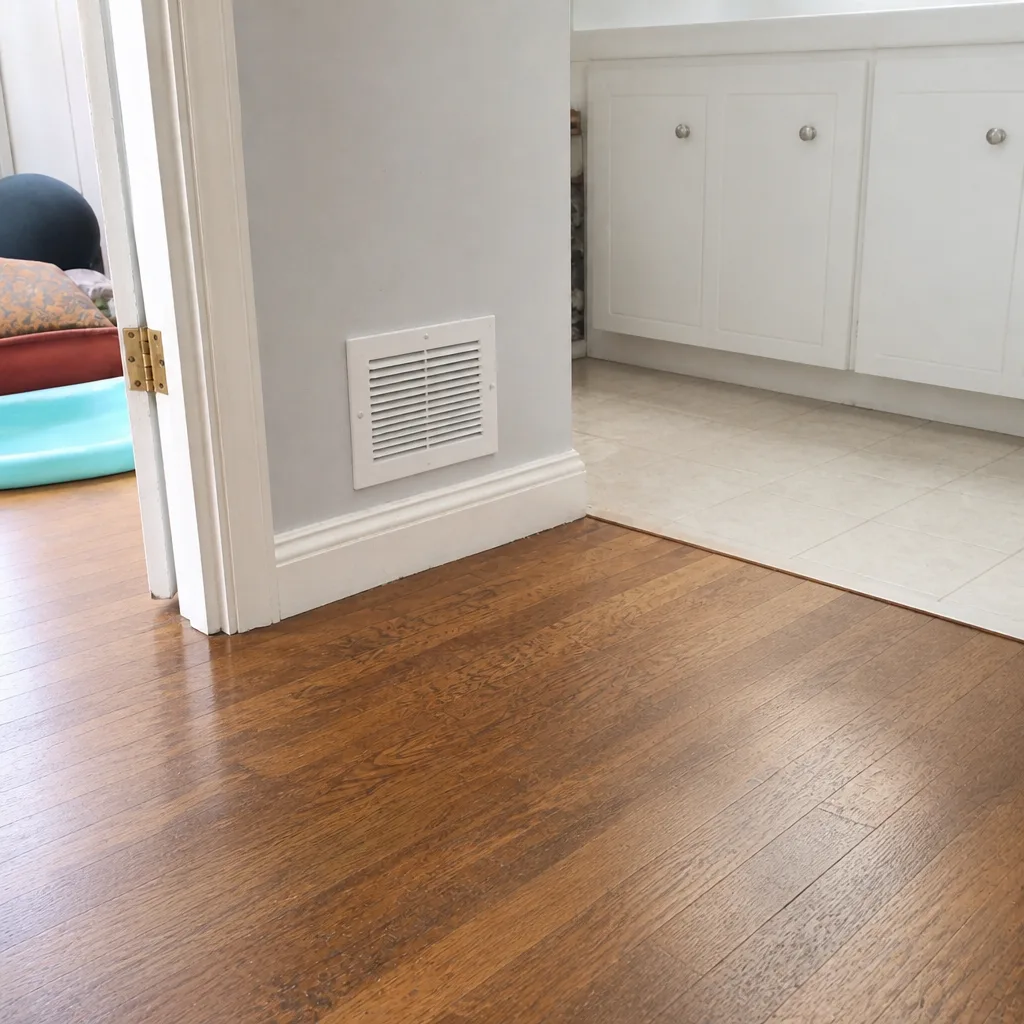
Whole-system duct and dryer vent check with before-and-after photos - you see exactly what came out of your vents
That "$99 whole-house special" is a bait ad - the real number appears once they are in your hallway, or the "clean" is a shop-vac at the register. We photograph the inside of your ducts before and after instead.
Air Duct Cleaning Warning Signs: A Sunset Park Homeowner’s Reference Guide
Dust on your supply registers a week after you wiped them down isn’t a housekeeping problem. It’s a mechanical signal. In Sunset Park’s pre-war walk-ups and mid-century row houses, the ductwork behind the walls was built for a different era of heating and cooling, and by now most of it has been quietly modified, patched, and rerouted. What reads as “normal old house behavior” is usually a specific, diagnosable failure: a leaking return, a collapsed flex run, a filter that no longer sits in its frame. This guide teaches you to match symptoms to probable causes, so you know what you’re looking at in your own Sunset Park home before anyone touches a vacuum.
Quick Answer
Air duct warning signs in Sunset Park generally fall into four categories: patterned dust on registers, unexplained odors, HVAC performance changes like longer run times or uneven rooms, and visible damage in accessible ductwork. Each symptom points to a specific cause, and the cause determines whether cleaning fixes it or whether repair and sealing must come first. Learn to read the symptom and you’ll know what the right fix is.
Styles & brands we work with
- Whole-home duct cleaning
- Dryer vent cleaning
- Camera inspection
- Sanitizing & deodorizing
Table of Contents
- 1. Register Dust Patterns as Diagnostic Data
- 2. The Odor Taxonomy: What Each Smell Tells You
- 3. HVAC Performance Changes That Signal Duct Leakage
- 4. Visible Signs in Accessible Ductwork
- 5. When Cleaning Solves It vs. When Sealing and Repair Come First
- 6. Contamination Layers: What’s Actually Inside Old Ducts
- 7. How to Assess Your Own System in Four Steps
- 8. Air Quality Products Worth Knowing About
1. Register Dust Patterns as Diagnostic Data
Registers are the read-out for your whole system, and how they accumulate dust tells you where the problem starts. Whole-system dusting, where every register in the house shows the same dull film within a week or two, usually points to a filter problem or a return-air leak pulling unfiltered air into the loop. A filter that isn’t seated in its frame, or was undersized by whoever changed it last, lets particulate slip past and distribute evenly. That’s a filter and return-air issue, not a cleaning issue.
Localized dusting is more interesting. When only one or two registers coat unevenly, the cause usually sits in that branch: a loose boot at the floor, a disconnected flex duct behind the drywall, or a return grille drawing dust off a dirty plenum. If a single room’s vent produces dust while the rest of the house stays clean, the branch run is the suspect. It’s a leak at a joint, not a whole-system debris load.
The composition matters too. Gritty gray dust is usually system debris kicked off the duct walls. Fine, whitish, powdery film on a cold register sometimes reads as efflorescence, a sign of moisture where it shouldn’t be, and that changes the whole conversation. Sticky or dark dust on a supply that faces a kitchen can be cooking aerosols, a symptom of the return-air balance rather than the ducts themselves.
What we look at first in a Sunset Park home: whether the dust pattern tracks the layout of the original heating retrofit. Pre-war conversions often ran supply and return runs in odd places to fit the existing structure, and those improvised runs are where the leaks live. A duct pattern that follows an old conversion is a clue, not a mystery. If you want a trained eye on the pattern, professional air duct cleaning starts with an assessment, and the assessment is where the diagnosis happens.
2. The Odor Taxonomy: What Each Smell Tells You
Odor is the most reliable and most ignored warning sign, and the exact character of the smell points to the location of the problem. Walk through the house on a still day with the system off, then again with it running. Notice when each smell appears.
- Musty, damp-earth, wet-paper smell. Moisture upstream, often a humid crawlspace or a return run that draws through a damp joist bay. The ducts themselves may be fine; the air being pulled into them is not.
- Burning or hot-metal smell. This is a safety flag. It can mean a motor overheating, a belt slipping, or an electrical issue at the air handler. Turn the system off and get a technician to look before running it again.
- Chemical or plastic smell. Often off-gassing from new building materials, adhesive, or a filter that’s been exposed to heat. It can also be a refrigerant or electrical clue; don’t ignore it if it appears suddenly.
- Biological or dirty-sock smell. Usually condensation sitting in a drip pan, a wetted filter, or biological growth where a duct passes through a cool space. Cleaning alone won’t fix it; the moisture source has to be corrected.
- Sharp, acrid, earthy smell that comes and goes. Sometimes a sign of small-animal activity inside a duct run or a dryer vent. A frequent, overlooked culprit the “smell” crowd chases for weeks.
The sequence tells you where to start. A musty smell that appears only when the air conditioning runs points downstream of the coil. A smell present with the system off points to a stagnant, isolated run. And a burning smell, every time, is your cue to stop and call instead of venting the house and hoping. In a Sunset Park building, if you smell the musty note strongest in one bathroom or kitchen, that’s usually a branch run nearest the shared wall, and it rarely turns out to be a whole-house problem.
3. HVAC Performance Changes That Signal Duct Leakage
Homeowners often read long run times and uneven room temperatures as “the furnace is going.” Ducts leak, and leaky supply runs push conditioned air into a wall cavity instead of the room. In Sunset Park, where the housing stock includes row houses with runs sharing party walls, a leaking run can also read on the neighbor’s side. The equipment is often doing its job; the duct is throwing the output away.
Here are the performance changes that point to duct leakage rather than equipment failure:
- Rising run times. Equipment that used to cycle in minutes now runs for a stretch, yet the house never gets comfortable. That’s usually lost air, not a failing blower.
- Room-by-room temperature spread. A front bedroom that runs cold while a rear room is comfortable points to an undersized or leaking branch, not a thermostat problem.
- Positive or negative house pressure. A door that pulls shut harder in one spot, or outdoor air rushing in under a front door, means the return side is unbalanced. When a return leaks inside a wall cavity, the system pulls unconditioned air through the house, and you feel it.
- Dust at the floor boot. Air leaking through a floor level hole noiselessly lifts dust off a floor penetration, a quiet indicator of a failing joint.
- Cooling bills moving up in the same house. If your usage patterns and appliances haven’t changed but your monthly bill has, measure it against a duct-leak explanation before assuming the furnace is worn out.
That fourth point is why we treat duct repair and sealing as a real part of the job, not an upsell. Leaky boots and disconnected runs are the root cause of air loss in most old duct systems, and a leak joins both supply and dust. When a customer calls HVAC cleaning hoping equipment problems will disappear, the honest answer is sometimes that the equipment is fine and the duct is working against it. Fixing the leak is the fix.
4. Visible Signs in Accessible Ductwork
Some of this you can see yourself. Not everything lives behind sealed drywall. Where a run is exposed in a basement, a utility closet, or a mechanical space, look at it carefully and note what you find.
- Rust streaks or water staining. A horizontal rust line inside a metal run usually means condensation has been sitting there. Continuous condensation is a moisture problem that cleaning alone can’t solve.
- Flex duct collapse. When flexible duct sags or crushes, airflow drops sharply in that branch. You can feel it at the register, a weak supply is a diagnostic clue. It’s a repair item, not a cleaning item.
- Joint separation. Taped joints that have separated, or a boot no longer connected to the floor, are the number one source of duct leakage in old residential systems. Sealant and mechanical fastening fix it; a vacuum can’t.
- Dust trails on the outside of ductwork. A visible gray plume along a seam means air is escaping and pulling in dust around the joint, a leak you can literally see.
- Corrosion or mineral deposits inside. A powdery white crust on a metal interior means moisture and minerals have been reacting there. It’s a signal the whole run needs inspection, not just a wipe-down.
Urgency levels differ. A separated boot is a same-visit repair item. Flex collapse, rust, and corrosion are “fix before cleaning” items, because a brush run over failing ductwork is wasted effort at best. Visible signs are also where a homeowner can be misled: a duct that looks spotless from outside still hides years of settled debris along the bottom of the plenum. That’s the layer you can’t see, and it’s the one most Sunset Park homes actually have.
5. When Cleaning Solves It vs. When Sealing and Repair Come First
The most useful thing this guide can do is teach you to tell those two situations apart, because the wrong fix wastes money and leaves the problem in place. Cleaning solves settled-debris problems. It does not solve leaks, moisture, or structural failures in ductwork, and a technician who runs a brush through a leaking system and leaves is selling you the wrong answer.
Cleaning alone is the right answer when:
- Dust is distributed evenly and the dust pattern tracks to settled debris in the runs.
- The system has had no recent sealed leaks, and airflow at the registers is strong.
- The HVAC equipment is working correctly, and the problem is the contamination load, not air loss.
- An odor is stale and general rather than tied to a specific location or source.
Repair, sealing, or moisture correction must come first when:
- You have a burned smell, or any smell that suggests motor or electrical trouble.
- You have visible joint separation, flex collapse, or rust and corrosion in accessible runs.
- The system is drawing dust or biological growth through a wetted filter or drip pan.
- A return-air leak is pulling unfiltered air from a wall cavity, which we confirm by pressure and dust pattern.
This is where full-scope service matters. A crew that only cleans will clean your ducts and hand you the same leak back. A crew that cleans, repairs, and seals can address the root cause in one visit. That’s the point behind professional air duct cleaning Sunset Park work done properly: it’s a diagnostic visit first, a cleaning second, and a repair only where the symptoms call for it.
6. Contamination Layers: What’s Actually Inside Old Ducts
Most older duct systems hold three layers, and each layer needs a different approach. The top layer is surface dust, the settled particulate you can knock loose. The middle layer is bonded debris that’s been pressed into the metal by years of airflow and moisture cycles; that’s where a consumer-grade vacuum fails and a purpose-built system earns its keep. The bottom layer is the static and biological film that sits in the low spots, and it’s the one that drives the smells and allergic responses.
The equipment distinction is real. We use Rotobrush and Nikro professional duct cleaning systems, the same class of equipment specified by indoor air quality industry standards, and there’s a reason. A shop vacuum moves air, but it doesn’t agitate, contain, and extract the bonded layer, and it doesn’t give you the reach and the tool set to work a full run without tearing it up. Professional-grade equipment is how the middle layer actually comes out. It’s also how a technician can tell the difference between surface dust and a real contamination load.
For sanitizing jobs, we bring in Abatement Technologies negative-air equipment, which holds the workspace under negative pressure and filters the air through HEPA while work is happening. That matters in a shared Sunset Park building where a cross-contamination issue can travel between units. Guardsman-grade cleaning protection goes on as part of the sanitizing, which extends the result past a single visit. The short version: the layer you can’t see is the one that decides whether cleaning worked, and the equipment is the difference between getting it and not.
7. How to Assess Your Own System in Four Steps
You can narrow down the cause before anyone arrives, and doing so saves time and avoids guesswork. Here’s a short troubleshooting order for a Sunset Park homeowner:
- Wipe test. Wipe a few registers clean, note the date, and check them again a week later. Uniform dust means a filter or return-air issue; localized dust means a branch leak.
- Smell test. Walk the house with the system off, then running. Note where each smell appears and whether it’s musty, burning, chemical, or biological. A burning smell means stop and call.
- Airflow and temperature check. Hold your hand at each register and can feel for weak spots, then note which rooms run hot or cold. Uneven output points to a leaky or collapsed branch.
- Look where you can. Check the filter fits its frame, inspect exposed runs in any basement or utility closet for rust, separation, or collapse, and photograph what you find.
Write down what you observe. When a technician arrives, your notes let them skip straight to the likely cause, and you’ll know whether the fix on the table matches the symptoms you saw. If you want to head off a dryer-related problem too, dryer vent cleaning is a separate safety check worth doing on the same visit; a clogged dryer vent is a fire hazard, and it’s a fire risk most duct cleaners skip.
8. Air Quality Products Worth Knowing About
Warning signs are often the start of a longer relationship with your air quality, not a one-time fix. Once the diagnosis and repair are done, filtration and humidity control are how you keep the system clean. We carry and service Honeywell and Aprilaire air quality products, and familiarity with those brands helps when we recommend a filter or humidity solution that fits your existing equipment instead of one that fights it.
This is where a full-scope service earns its place. A coupon-deal crew cleans and leaves and has no reason to think about your filter fit or your humidity control. A full five-service setup – cleaning, dryer vent, HVAC cleaning, duct repair and sealing, and air quality and sanitizing – lets one crew carry the whole picture. That’s what keeps a freshly cleaned system from re-dirtying in a season. If you’re dealing with recurring warning signs in a Sunset Park home, it helps to have the people who fixed the leak also recommend the filtration that protects it.
One more note on scope: we clean, repair, seal, sanitize, and handle same-visit dryer vent work. We don’t do mold remediation, full HVAC installation, or plumbing, and it’s worth knowing what a duct service does and doesn’t cover before you call. If a warning sign points outside that scope, we’ll say so.
Common Mistakes to Avoid
- Cleaning before diagnosing. Running a vacuum through a system with a separated joint or a collapsed flex run wastes the visit. Find the cause first, then decide the fix the symptom calls for.
- Treating filter fit as an afterthought. A filter that doesn’t seal in its frame lets dust bypass it evenly across the house. Check the fit before you blame the ducts.
- Ignoring a burning smell. Hot-metal and burning smells are electrical or motor warnings. Running the system to “see if it goes away” is the wrong move.
- Assuming a spotless-looking duct is a clean one. A run that looks clean from outside still holds settled debris in the plenum and along the bottom. The layer that matters is the one you can’t see.
- Skipping the dryer vent. In a dense building like most Sunset Park housing, one neglected dryer vent is a shared fire risk. It belongs on the same maintenance schedule as the ducts.
- Buying on a coupon. A low headline price that becomes a far larger invoice once the crew is on site is a pattern, not a bargain. The fix for that is one flat price per system agreed before work starts.
- Sealing before fixing moisture. Sealant over a wetted, corroded run traps the problem and hides it. Correct the moisture source, then seal.
See the difference
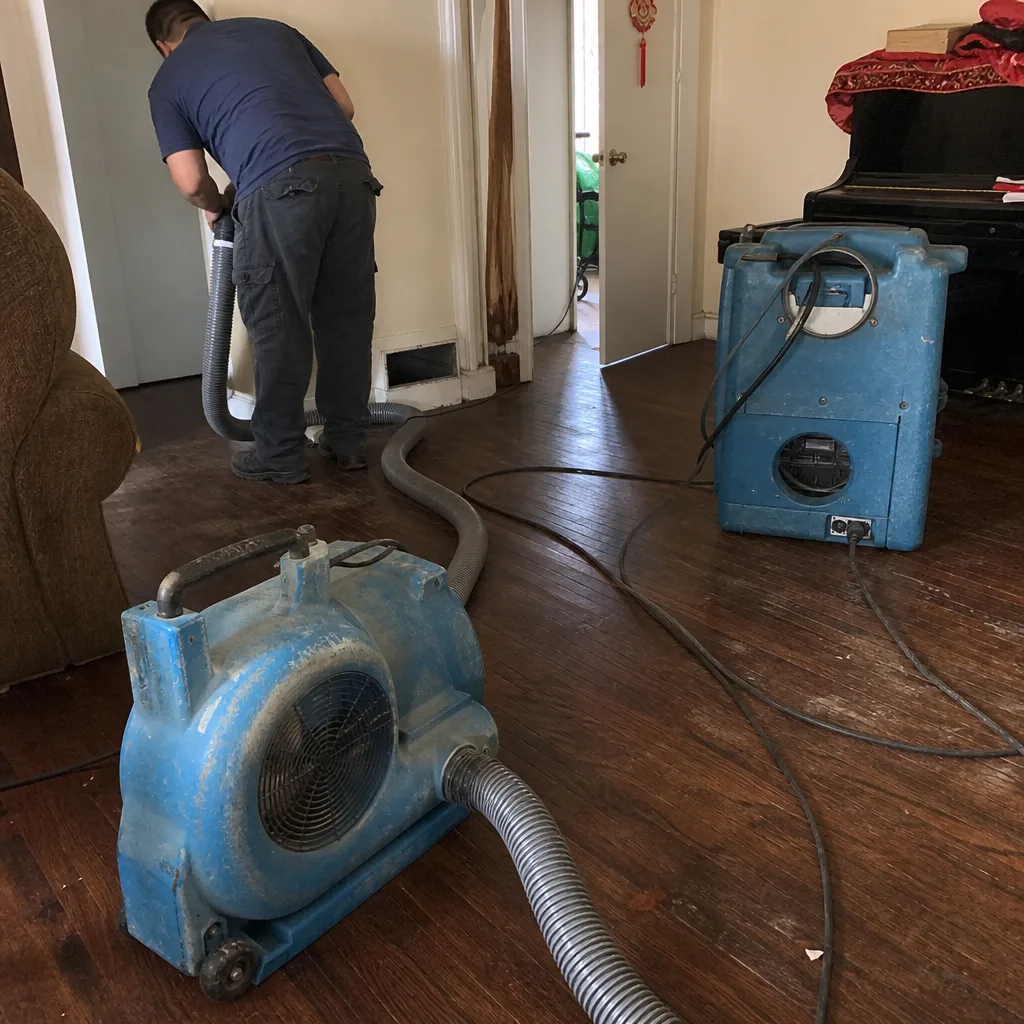 Before
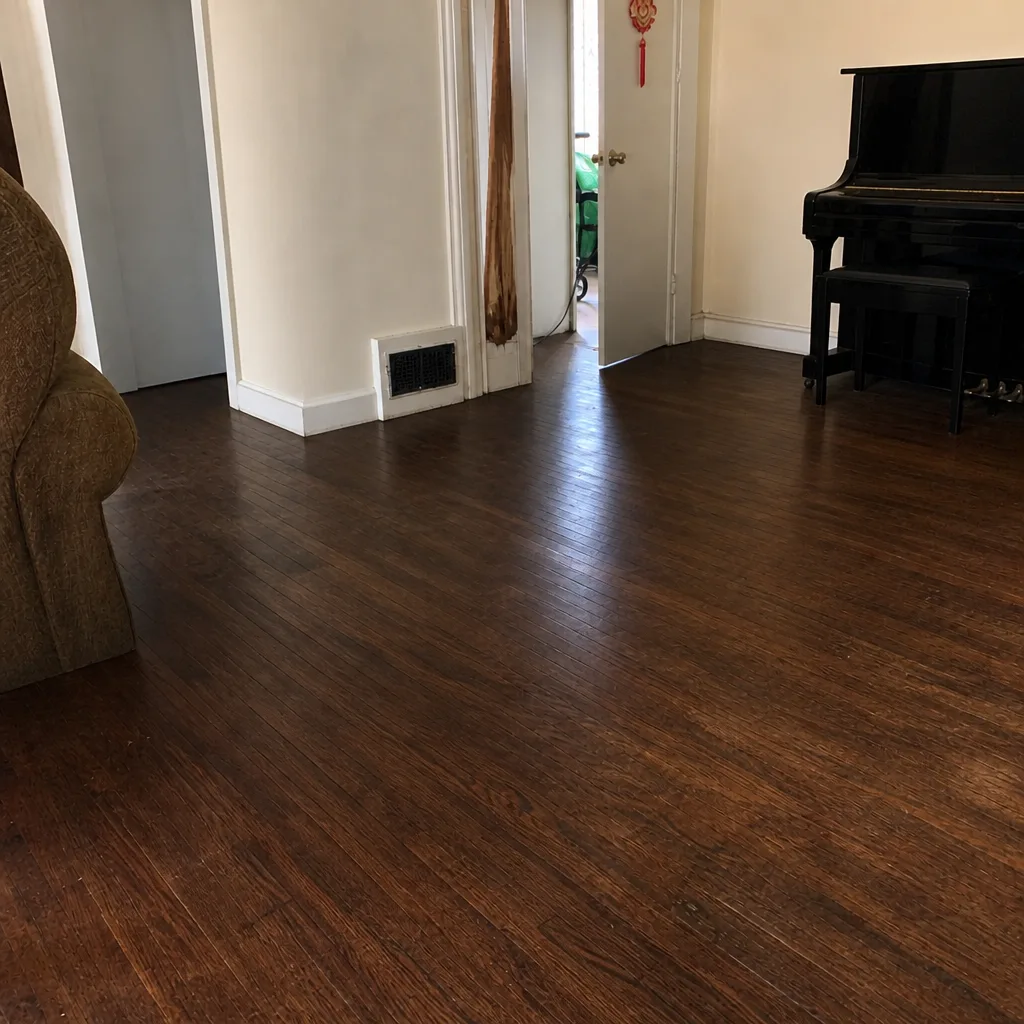 After
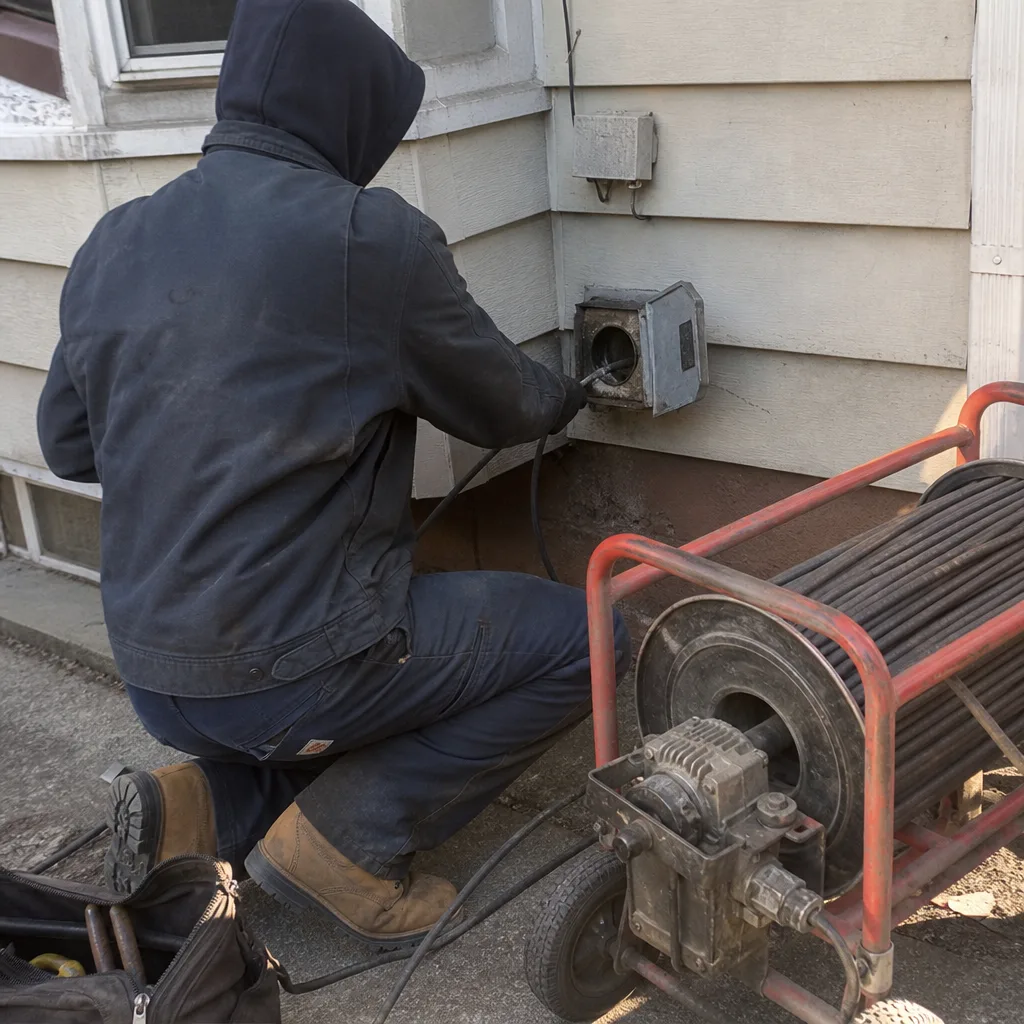 Before
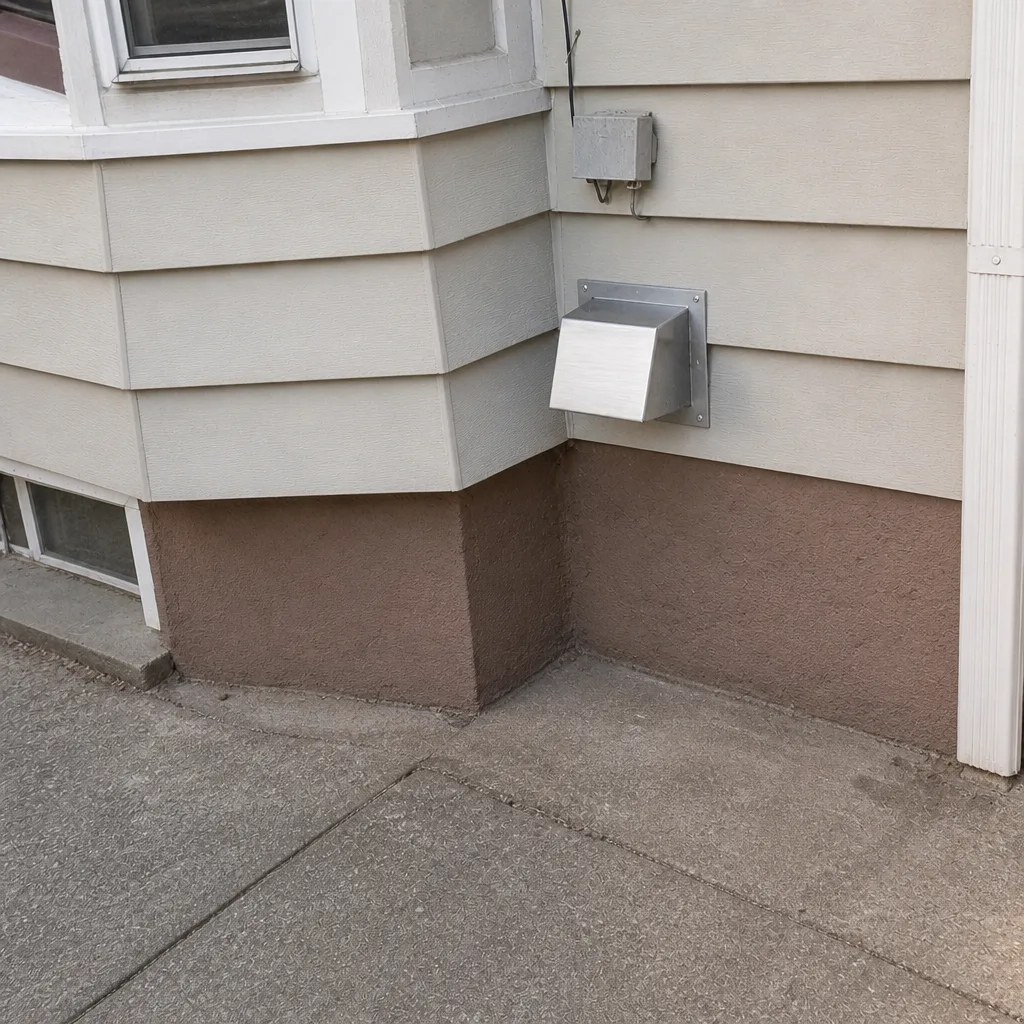 After
 Before
 After
When to Call a Professional
Call a professional when the dust pattern keeps returning within two weeks of cleaning the registers, when an odor is tied to a location or to the system running, when rooms run hot or cold with no change to your thermostat settings, or when you see rust, separation, or collapse in exposed ductwork. Call immediately for any burning or hot-metal smell; that’s a stop-and-call signal, not a maintenance note.
You should also call if your current cleaner only offers a vacuum and a brush with no repair, sealing, or sanitizing capability. The warning signs in this guide are only useful if the person seeing them can act on them. Air Duct Cleaning Sunset Park offers free estimates in Sunset Park. Call (844) 351-1795 and describe what you’ve seen. We answer 24/7. Fast dispatch from 7am to 7pm, Sunday through Friday.
Frequently Asked Questions
For most Sunset Park homes, air duct cleaning is driven by evidence, not the calendar: recurring dust, odor, or air-loss symptoms. If you have had a renovation, small-animal activity, or persistent symptoms, the interval is shorter; a clean, well-sealed system with a properly fitted filter holds longer. Call (844) 351-1795 for an honest read on your own system, free estimates included.
Pricing is set per job by the written estimate, and we give one flat price per system rather than quoting a per-vent figure. That price is agreed before any work starts. Call (844) 351-1795 for an exact quote. Estimates are free.
A very low quote usually means a coupon headline, per-vent pricing, or a scope that skips the diagnostic and the repair. You’ll often see the real price appear once the crew is on site and finds the leaks. One flat price per system, agreed up front, is the honest version. Call (844) 351-1795 for that quote, and the estimate is free.
You should be able to see before-and-after photos of your own ducts, and you should get an explanation of what was found before and after evidence is presented. Ask for both. Call (844) 351-1795 and ask what evidence they’ll provide for your system.
No. A burning or hot-metal smell can mean an overheating motor or an electrical fault at the air handler. Turn the system off and have it checked before running it. Call (844) 351-1795; we answer 24/7. A call outside dispatch hours is booked into the next opening, Sunday through Friday, 7am to 7pm.
That depends on what the symptoms show. Evenly distributed dust and stale odor usually point to cleaning, while uneven room temperatures, weak airflow at one register, or visible joint separation point to repair and sealing first. Call (844) 351-1795 and we’ll diagnose before anything else.
The Bottom Line
Warning signs in your ductwork are information, not nuisance. Read the dust pattern, read the odor, listen to what the HVAC is telling you, and look at the run you can see. Match the symptom to the cause and you’ll know whether cleaning fixes it, whether sealing and repair come first, or whether the problem is outside the ducts entirely. If you’ve spotted one of these signs in your Sunset Park home, Air Duct Cleaning Sunset Park can diagnose and fix the whole system in one visit. Our technicians have up to 9 years of experience with professional-grade Rotobrush and Nikro equipment, and we handle repair and sealing alongside the cleaning, so the root cause gets fixed on the same visit.
Call (844) 351-1795 for a free estimate. We answer 24/7. Fast dispatch from 7am to 7pm, Sunday through Friday.
Written by the team at Air Duct Cleaning Sunset Park.