
Last updated November 22, 2026
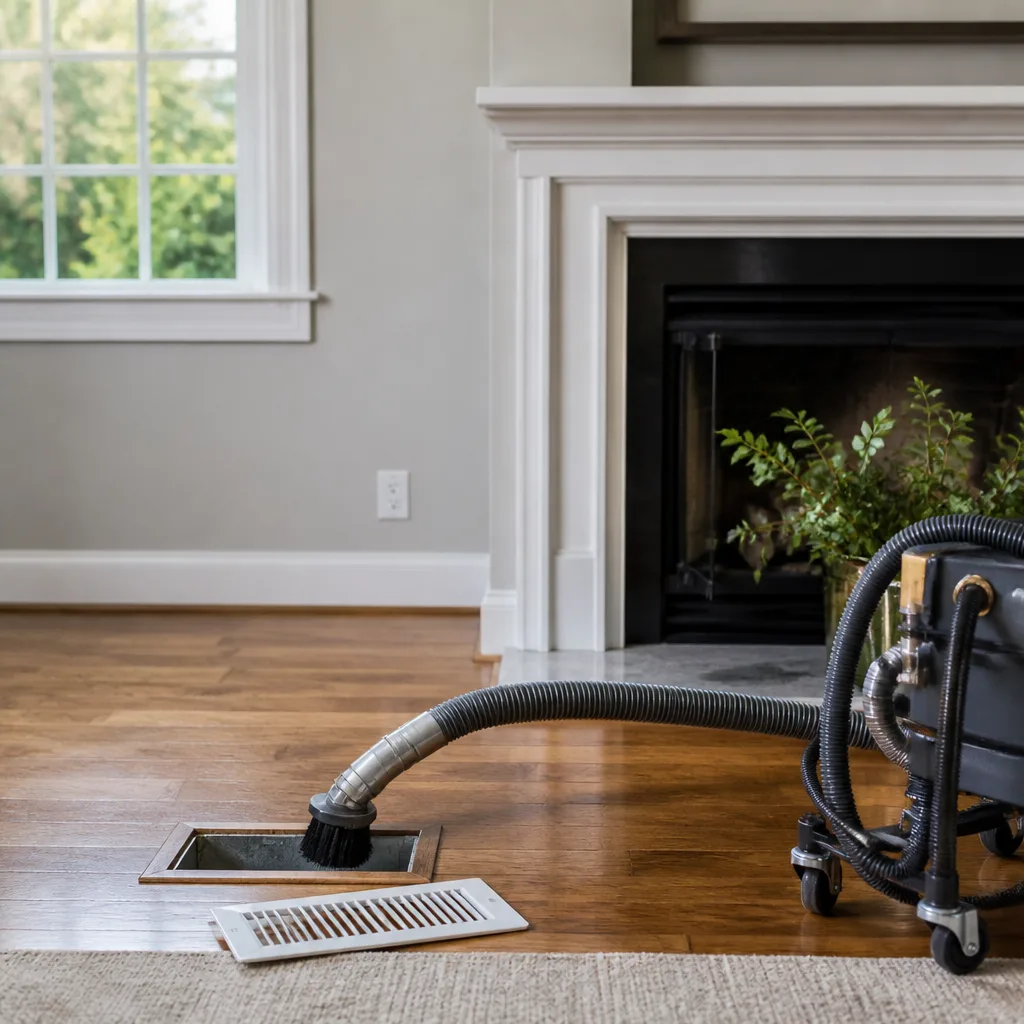 Whole-home duct cleaning
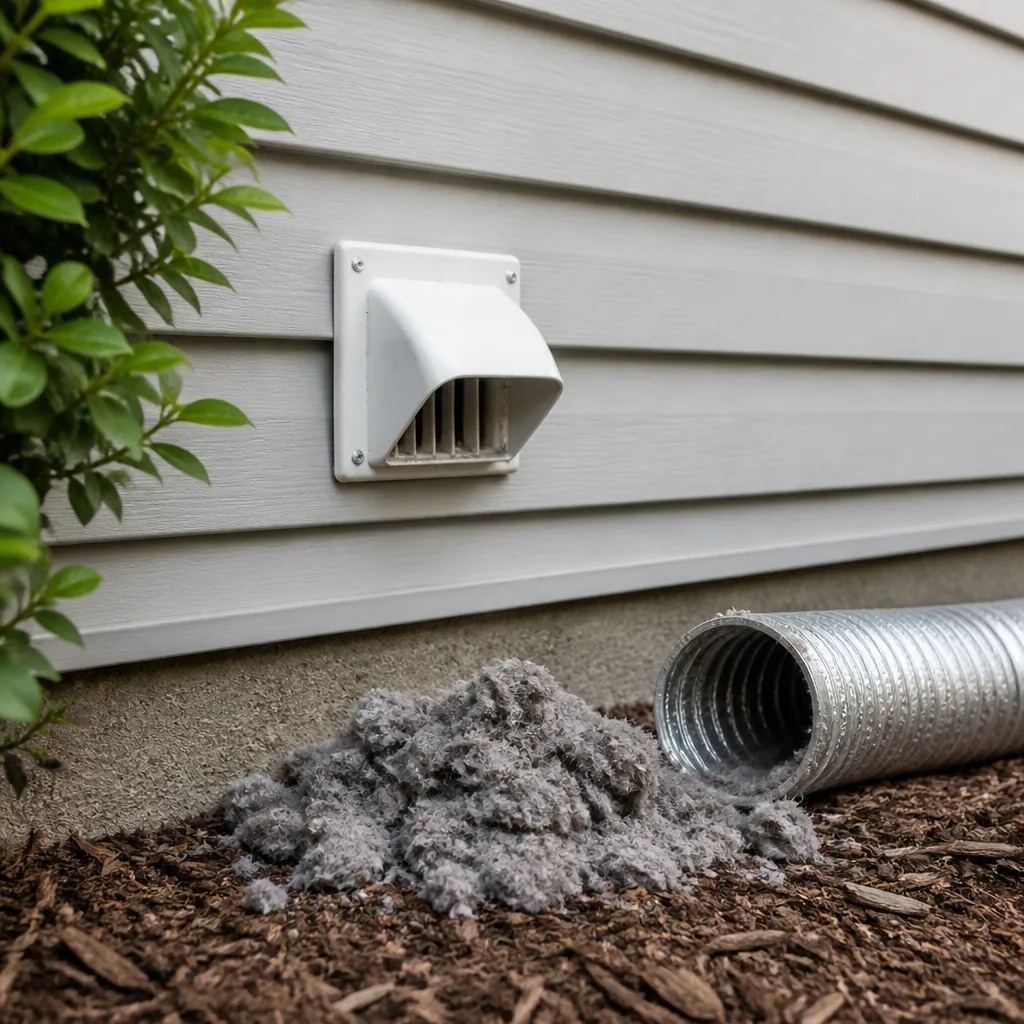 Dryer vent cleaning
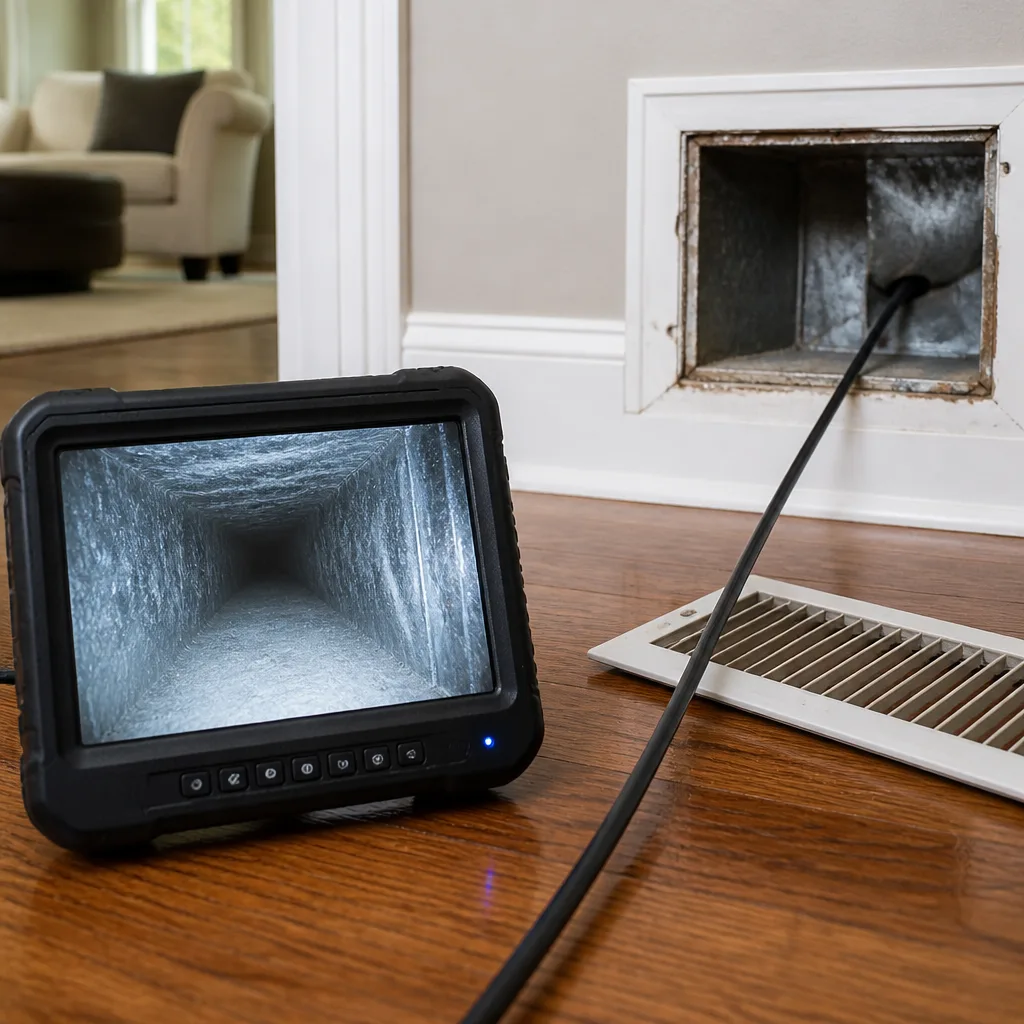 Camera inspection
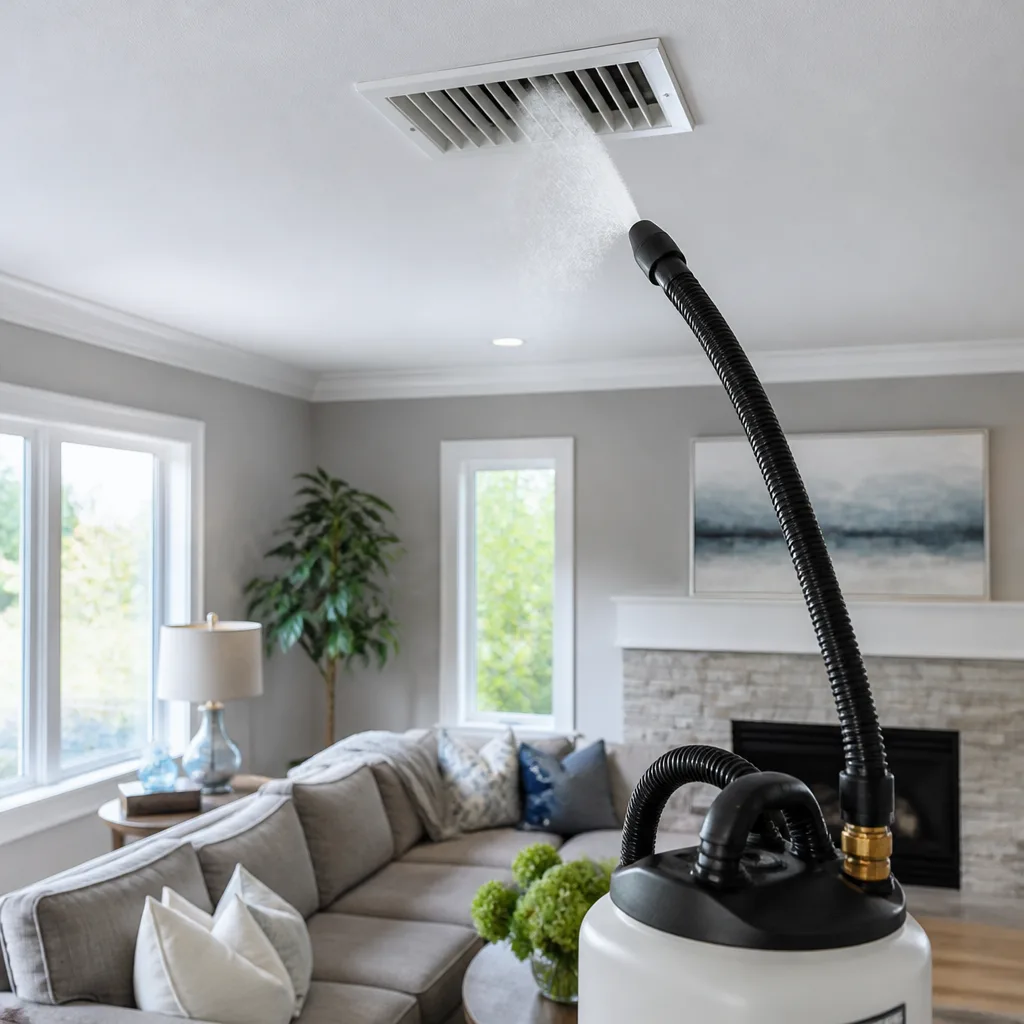 Sanitizing & deodorizing
Whole-system duct and dryer vent check with before-and-after photos - you see exactly what came out of your vents
That "$99 whole-house special" is a bait ad - the real number appears once they are in your hallway, or the "clean" is a shop-vac at the register. We photograph the inside of your ducts before and after instead.
The Complete Guide to Air Duct Cleaning in Sunset Park
Most Sunset Park homes were built before 1960, which means many of their duct systems were designed for gravity or early forced-air heating. Those systems have longer horizontal runs, fewer access points, and a geometry that traps debris in ways a modern duct layout never will. A crew trained on new construction will often run a brush through the main trunk, vacuum what it can reach, and leave the rest behind. This guide treats Sunset Park’s building stock as the starting point, not an afterthought. You’ll learn how pre-war duct geometry changes the method selection, why the BQE and the industrial waterfront raise the baseline particulate load inside your home, and what a written scope of work should list before anyone touches your HVAC system.
Quick Answer
The right way to clean ducts in Sunset Park is a full source-removal clean – brushing and agitating every reachable run against continuous negative air, using professional equipment like Rotobrush or Nikro systems, then sealing any leaks found along the way. A vacuum-only or “blow-and-go” service doesn’t remove the debris caked onto pre-war sheet metal; it just redistributes it. If your home was built before 1960 and has never had a documented duct cleaning, expect a full-method clean rather than a quick pass.
Styles & brands we work with
- Whole-home duct cleaning
- Dryer vent cleaning
- Camera inspection
- Sanitizing & deodorizing
Table of Contents
- How Pre-War Duct Geometry in Sunset Park Changes the Cleaning Method
- Why Sunset Park’s Air Baseline Is Higher Than You Think
- Full NADCA-Method Cleaning vs. “Blow-and-Go” – What Actually Reaches the Debris
- Truck-Mounted vs. Portable Equipment in Old Brooklyn Builds
- When Duct Repair and Sealing Must Accompany Cleaning
- What a Written Scope of Work Should Include
- How Often Sunset Park Homes Actually Need Cleaning
- Dryer Vents and HVAC Coils: The Two Services Most People Skip
How Pre-War Duct Geometry in Sunset Park Changes the Cleaning Method
Walk into a rowhouse off Fifth Avenue or a three-family near Sunset Park’s Eighth Avenue corridor and you’re looking at a duct system that was never designed for a modern air handler. The original heating plant may have been coal or gravity-fed hot water. Later, a forced-air furnace was retrofitted into the same chases, which means the ductwork often runs longer horizontally than a new build would allow and possesses fewer access panels. Debris settles in those long runs, especially at the bends and at the top of the boot where the register sits.
That geometry drives method selection. Three approaches matter in Sunset Park:
- Brush agitation with simultaneous negative air. A rotating brush dislodges caked dust and debris from the duct walls while a vacuum pulls it out of the system. This is the standard method for pre-war sheet metal and rigid ductboard.
- Vacuum-only. Useful when a run is fully accessible and lightly soiled, but it can’t break the bond between debris and metal that decades of settling create.
- Combined brushing plus negative air plus HEPA filtration. This is what we run on older Brooklyn builds. Rotobrush and Nikro systems are purpose-built for it – they agitate, contain, and extract in a single pass.
Access is the other variable. Pre-war homes often have registers on the floor, in the baseboards, or tucked into cased openings that a modern brush head won’t navigate without a smaller whip attachment. A crew that shows up with only one brush size is going to skip half your system without telling you. Ask how many access points they’ll open, and confirm they carry flexible whips for tight runs.
If your home is a co-op or a rental with a shared mechanical space, access may need to be coordinated with the building. That’s normal in Sunset Park, where many three-family buildings share a basement or a rear extension. A full air duct cleaning job accounts for this before the crew arrives, not on the day.
Why Sunset Park’s Air Baseline Is Higher Than You Think
Sunset Park sits directly under the approach corridors for the Brooklyn waterfront and alongside the Gowanus Expressway corridor feeding the BQE. That means the outdoor particulate load in the neighborhood is materially higher than what you’d measure in, say, Bay Ridge or Midwood. Diesel exhaust from trucks moving between the industrial waterfront and the expressway settles into the same air that gets pulled into your return grille.
Inside the home, that load compounds with what’s already in the ducts. Older sheet metal collects dust, then the dust becomes a substrate for a light microbial film when humidity climbs. A pre-war rowhouse with limited mechanical ventilation doesn’t exchange air well, so the particulate has nowhere to go. In practice, this is why the standard “clean every five to seven years” advice undershoots for much of Sunset Park.
The visible signs that particulate load is affecting your home:
- Dust returns to horizontal surfaces within a few days of cleaning.
- Musty or stale odor from registers when the system cycles on.
- Allergy symptoms that worsen indoors on high-traffic days along the BQE.
- A dark film on the return grille or on the top of the air handler.
In our experience working in Sunset Park, homes closest to the expressway corridor and to the industrial blocks below 39th Street tend to hit those signs sooner than homes on the higher, quieter blocks near Green-Wood. That’s not a rule, but it’s a useful starting point when you’re deciding whether to schedule a chat about intervals. If you notice any three of the signs above in the same season, it’s worth booking an inspection before you commit to a cleaning.
Full NADCA-Method Cleaning vs. “Blow-and-Go” – What Actually Reaches the Debris
A full-source-removal clean follows the NADCA (National Air Duct Cleaners Association) method: put the system under continuous negative pressure, agitate every reachable surface, capture the debris at the vacuum, and verify the result before walking away. A “blow-and-go” service skips most of that. The technician runs compressed air through a register for a few minutes, lets the dust move downstream, and calls it done.
Here’s the practical difference in Sunset Park housing:
- Negative pressure first. Before any brush goes in, the vacuum is connected at the main trunk and HEPA filtration is running. This is the step that prevents cross-contamination to the rest of the house.
- Agitation run in sequence. Each branch is brushed, then vacuumed, then the next branch. Skipping order releases debris into the supply that hasn’t been cleaned yet.
- Access point sealing. Every register and access cut is sealed against the vacuum – not just held in place.
- Verification. A camera or a visual check at the far end of the longest run confirms the brush actually reached it.
- Photo documentation. Before-and-after photos of your own ducts, not stock images from a brochure.
Ask a prospective crew to describe this sequence. If they can’t, or if the answer is “we use a big vacuum and blow it out,” you’re looking at a service that may look like a clean on the invoice but won’t reduce the particulate load in your home. A full clean takes two-to-four hours depending on system size, and a hollow one takes forty-five minutes.
Professional-grade equipment matters here. A shop vacuum can’t develop the airflow or the containment to run the NADCA method. Rotobrush and Nikro systems were designed specifically for duct interiors. When a contractor tells you they use “industrial-grade vacuums,” ask for the brand. The answer tells you whether the method is real.
Truck-Mounted vs. Portable Equipment in Old Brooklyn Builds
Truck-mounted equipment generates the strongest vacuum and is the standard for large commercial jobs and for big suburban homes with easy access. In Sunset Park, it’s less useful than it sounds. Most of the housing stock has no driveway, no side yard wide enough for a vacuum hose run of more than fifty or sixty feet, and no front access that doesn’t involve a stoop or a shared stairwell.
That’s where portable, purpose-built systems come in. Here’s how the two compare for the typical Sunset Park job:
- Truck-mounted: highest airflow, best for long straight runs, but loses vacuum through long hose runs and can’t reach rear units of three-family buildings without significant setup.
- Portable Rotobrush and Nikro systems: lower total airflow but delivered directly at the trunk, which is what matters in a rowhouse with short-to-medium runs. Easier to move through stairwells and shared basements.
- Negative-air containment (HEPA filtration): Abatement Technologies equipment, or equivalent, used to keep the work zone under negative pressure during sanitizing so debris doesn’t relocate into living space.
The method matters more than the machinery label. A crew with a portable Rotobrush and a disciplined NADCA sequence will beat a crew with a truck-mount and no containment every time. What you want to hear from anyone quoting a job: they use professional-grade equipment, not consumer-grade vacuums, and they run it with negative pressure in place.
If you’re also scheduling HVAC cleaning alongside the duct work, the air handler, coil, and blower need to be addressed with the same containment. Cleaning the ducts without cleaning the air handler just pulls fresh debris off the coil into freshly cleaned ductwork.
When Duct Repair and Sealing Must Accompany Cleaning
Cleaning without sealing is half a job. Duct leakage in pre-war homes is common – seams loosen, tape fails, and joints that were sealed with a mastic in the 1970s have dried and cracked. When a system loses twenty to thirty percent of its conditioned air through leaks in the attic or the chase, the ducts downstream of the leak also pull in unfiltered air from the surrounding wall cavity. That’s why cleaning alone can’t fix air quality in a leaky Sunset Park system.
Three situations in Sunset Park require repair and sealing on the same visit as cleaning:
- Original sheet metal with failed seams. If the ducts are the original pre-war tin, seams loosen over time and mastic dries out. Sealing restores the pressure balance and stops air loss.
- Deteriorated flex duct. Some homes have had flex retrofitted in, and lower-grade flex from prior decades can develop tears, sagging, or disconnected collars. Repair or partial replacement is usually the answer.
- Access panels that don’t seal. Improvised access cuts that were never sealed can create a return-air short circuit, pulling air straight from the basement into the supply.
When we clean, we look for leaks at every joint we can reach. Sealing those leaks on the same visit is why a full-scope job outperforms a cleaning-only job on the energy bill as well as the air quality side. The three core brands that tend to come up in filtration and airflow planning – Honeywell for controls and filtration, Aprilaire for humidification and air quality accessories, Guardsman for post-cleaning surface protection – are all part of how a sealed system stays clean longer.
We also offer dryer vent cleaning on the same visit, which is worth scheduling when the ducts are already being opened up. A blocked dryer vent is one of the leading residential fire hazards in any dense housing stock, and pre-war rowhouses with long vent runs are the highest risk.
What a Written Scope of Work Should Include
Before anyone brings equipment into your Sunset Park home, you should have a written scope in your hands. Not a verbal estimate, not a text, a document that lists what will be done, what will be inspected, and what will trigger an amendment. If the contractor can’t provide one, that’s your answer.
A complete scope of work for a duct cleaning in this building stock should list:
- Number of access points that will be opened and resealed, and how each will be restored.
- Each branch that will be cleaned, by zone or by register, so you can verify coverage.
- Equipment being brought in, by brand and type (Rotobrush, Nikro, HEPA filtration, negative-air unit).
- Whether the air handler and coil are included, and at what price.
- Sealing and repair scope, listed as a separate line, so a leak found on-site has an agreed price before work continues.
- Sanitizing scope, if it’s being added, with the product and method noted.
- Verification method – camera inspection, before-and-after photos, or both.
- A single agreed price for the system, not a per-vent or per-register number that can balloon once the tech is on site.
The per-vent pricing model is where most homeowners get burned. A quote that says “$X per register” looks low until the crew counts twenty-two registers in a three-family rowhouse. One flat price per system, agreed in writing before work begins, removes the surprise. Any HVAC work beyond cleaning – coil replacement, air handler modification – should be scoped separately by a licensed HVAC contractor, since duct cleaning doesn’t cover it.
How Often Sunset Park Homes Actually Need Cleaning
For most Sunset Park homes, a documented cleaning every three to five years is realistic, with the shorter end applying to buildings near the expressway corridor or the industrial waterfront and homes with pets or occupants with respiratory sensitivity. The trade-standard advice of five to seven years assumes a cleaner outdoor environment than this neighborhood has.
A practical decision tree, based on what we see in Sunset Park:
- Never cleaned and pre-1960 construction: schedule an inspection and plan for a full clean. The debris load will typically justify it.
- Cleaned in the last two years, no symptoms: wait. Repeat the visual check next year.
- Cleaned three to five years ago, dust and odor returning: schedule a clean now, and ask about sealing on the same visit.
- Recent renovation or a new HVAC install in the home: clean after the work, not before. Construction debris is a common source of post-job contamination.
- Occupant with allergies or asthma, or a new baby in the home: schedule on the short end of the interval and add sanitizing with HEPA containment.
What we don’t recommend is a fixed calendar-based interval with no inspection. Each home in Sunset Park sits at a different exposure level depending on block, building type, and how the system is used. A quick look at the return grille and the coil surface tells you more than the calendar will.
Dryer Vents and HVAC Coils: The Two Services Most People Skip
Duct cleaning alone doesn’t fix air quality, because two other systems feed the same air. The dryer vent and the HVAC coil are the two most commonly skipped services, and both matter in a pre-war Sunset Park home.
Dryer vents in Sunset Park rowhouses are often routed through rear extensions or up through interior walls with several turns. Lint accumulates at each turn, and a vent that was clear two years ago can be heavily restricted now. That’s a fire hazard, not a maintenance nuisance. If your dryer takes longer than one cycle to dry a load, or the exterior vent flap doesn’t open fully with the dryer running, the vent needs to be cleaned.
HVAC coils are the other side. A dirty evaporator coil restricts airflow across the whole system and pushes the blower harder. When we clean a system, we check the coil and the blower wheel as part of the inspection. Cleaning ducts without addressing a fouled coil leaves the source of the particulate load in place.
Air quality and sanitizing rounds out the full scope. We use Abatement Technologies negative-air equipment to keep the work zone under containment, and Guardsman-grade cleaning protection is applied as part of the sanitizing step for lasting results. That’s a step above what blow-and-vacuum crews bring to a job. If you’re considering the full scope, the place to start is a conversation about what your system actually needs – not a menu of add-ons. You can read more about how we handle the full scope on the Air Duct Cleaning Sunset Park page.
Common Mistakes to Avoid
- Accepting a per-register quote. Per-vent pricing looks low and depends on a count the homeowner can’t easily verify. Ask for one flat price per system, in writing, before work starts.
- Believing a “sanitizing only” service is a substitute for cleaning. Sanitizing a dirty system just coats the debris. Source removal comes first, sanitizing follows.
- Letting a crew vacuum the trunk and skip the branches. In pre-war Sunset Park systems the branches hold the most debris. Confirm each branch is on the scope of work.
- Skipping the coil and blower inspection. A fouled coil will re-contaminate freshly cleaned ducts within months. The inspection is part of the job.
- Cleaning without sealing a leaky system. Leaks pull unfiltered cavity air straight back into the supply. Sealing on the same visit is what keeps the clean result lasting.
- Assuming a truck-mounted vacuum is always better. In Sunset Park’s shared basements and narrow side access, a purpose-built portable system with HEPA containment often does the job more thoroughly.
- Not asking for before-and-after photos of your own ducts. Stock photos prove nothing. If the crew can’t document what changed on your system, you have no way to verify the work was done.
See the difference
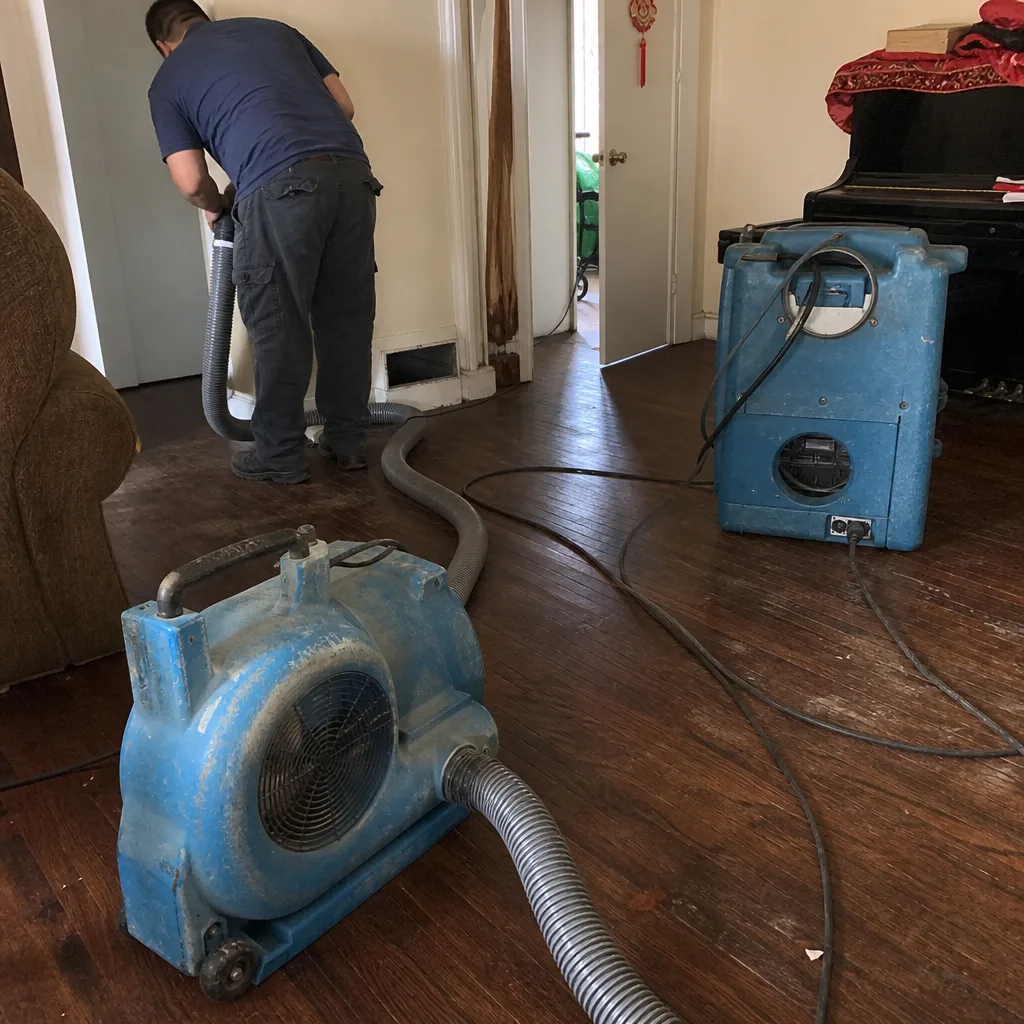 Before
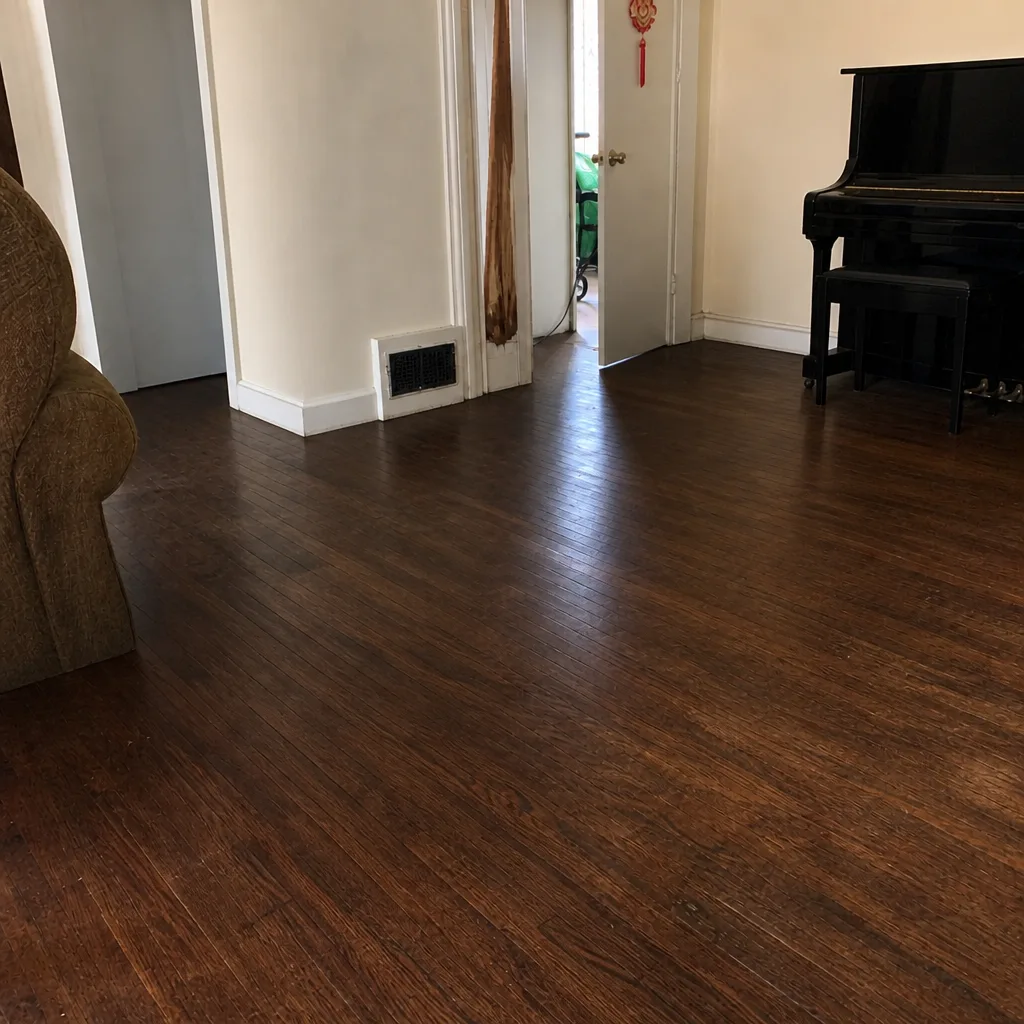 After
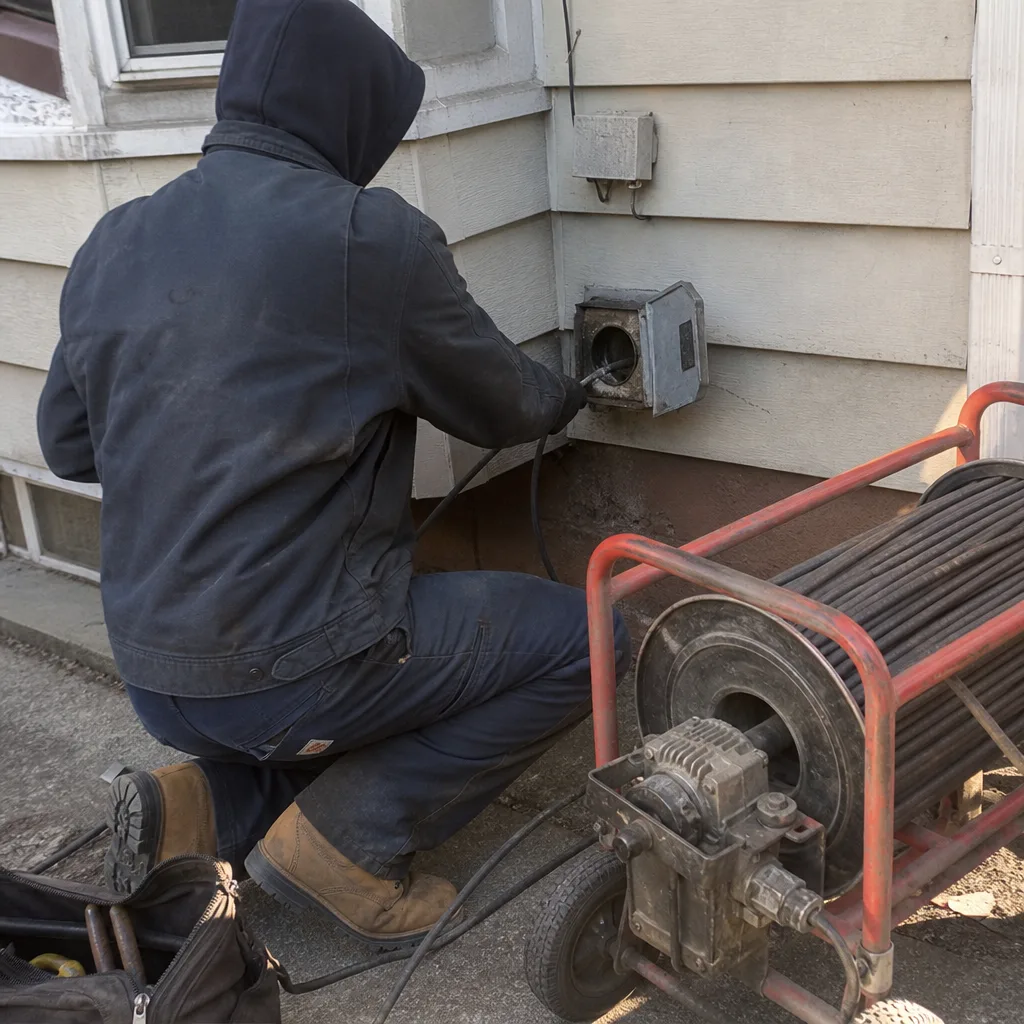 Before
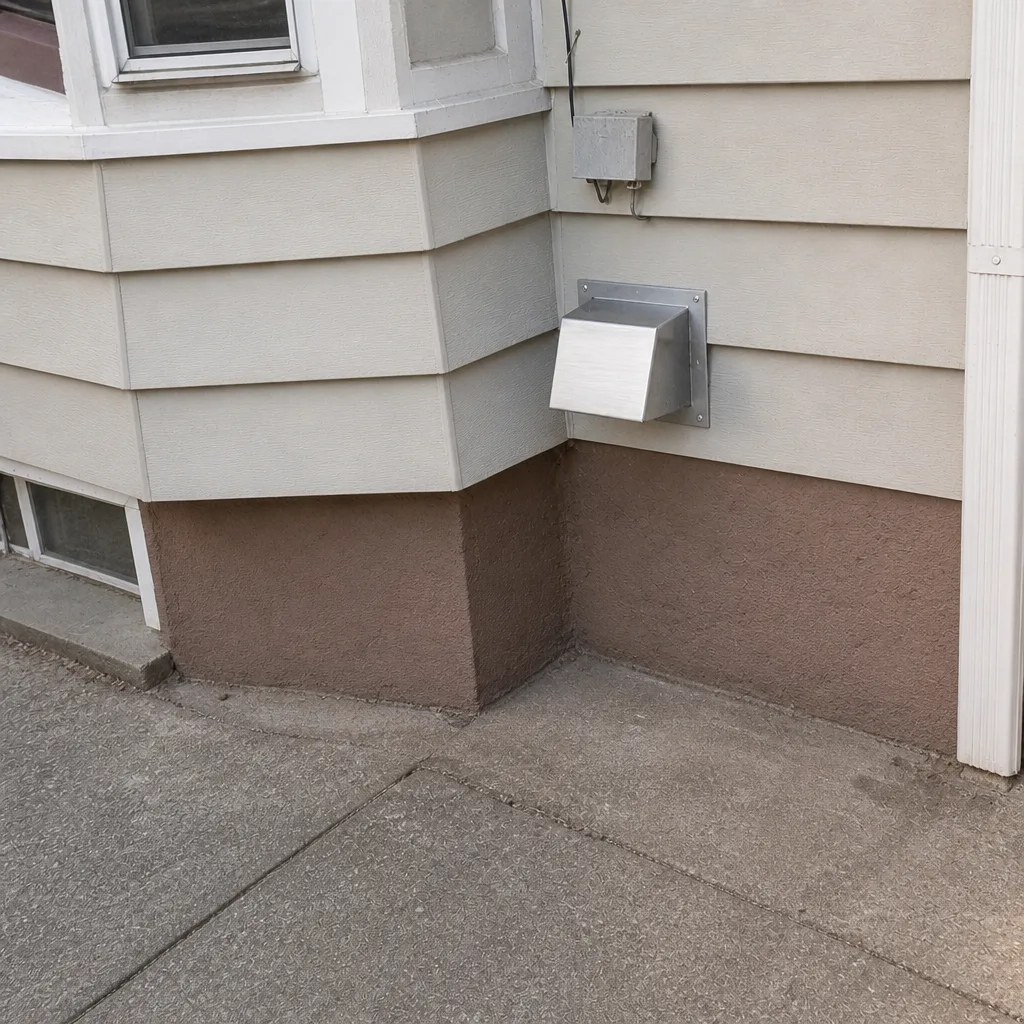 After
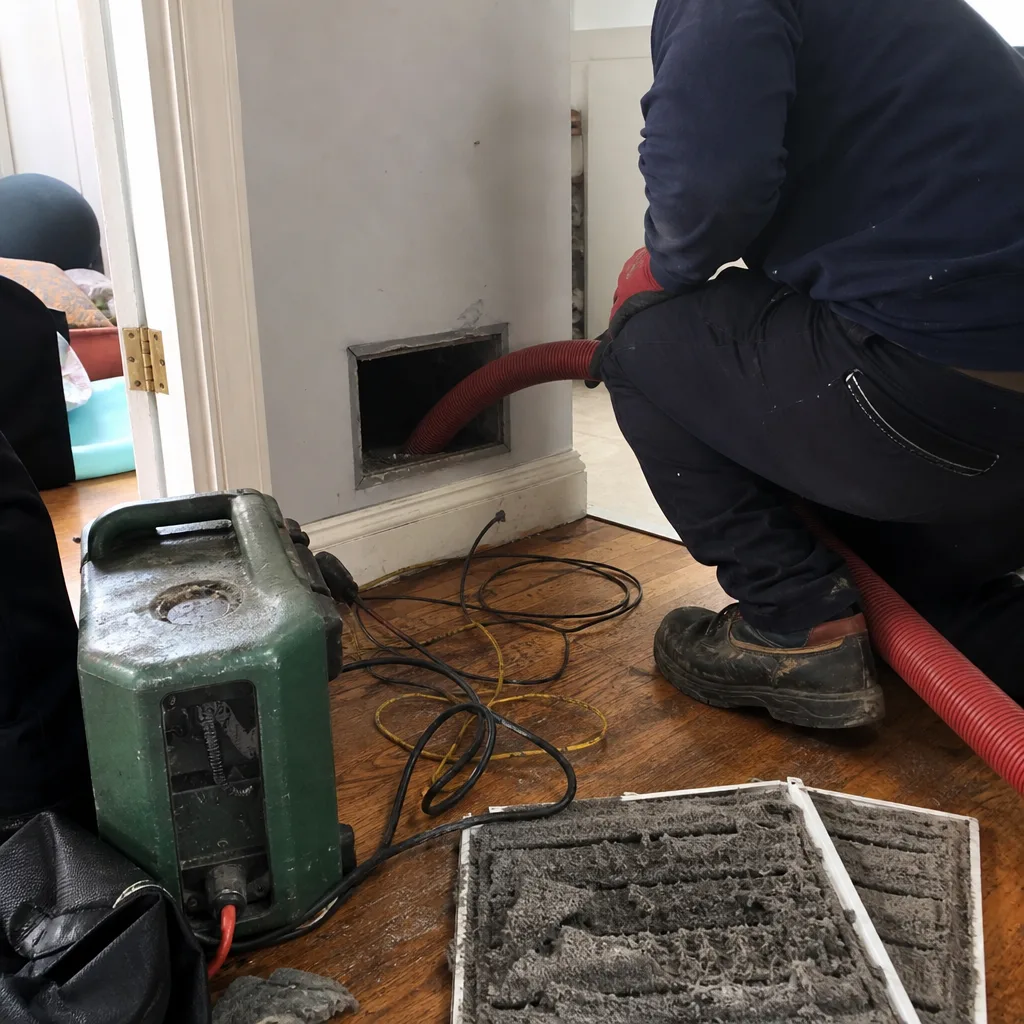 Before
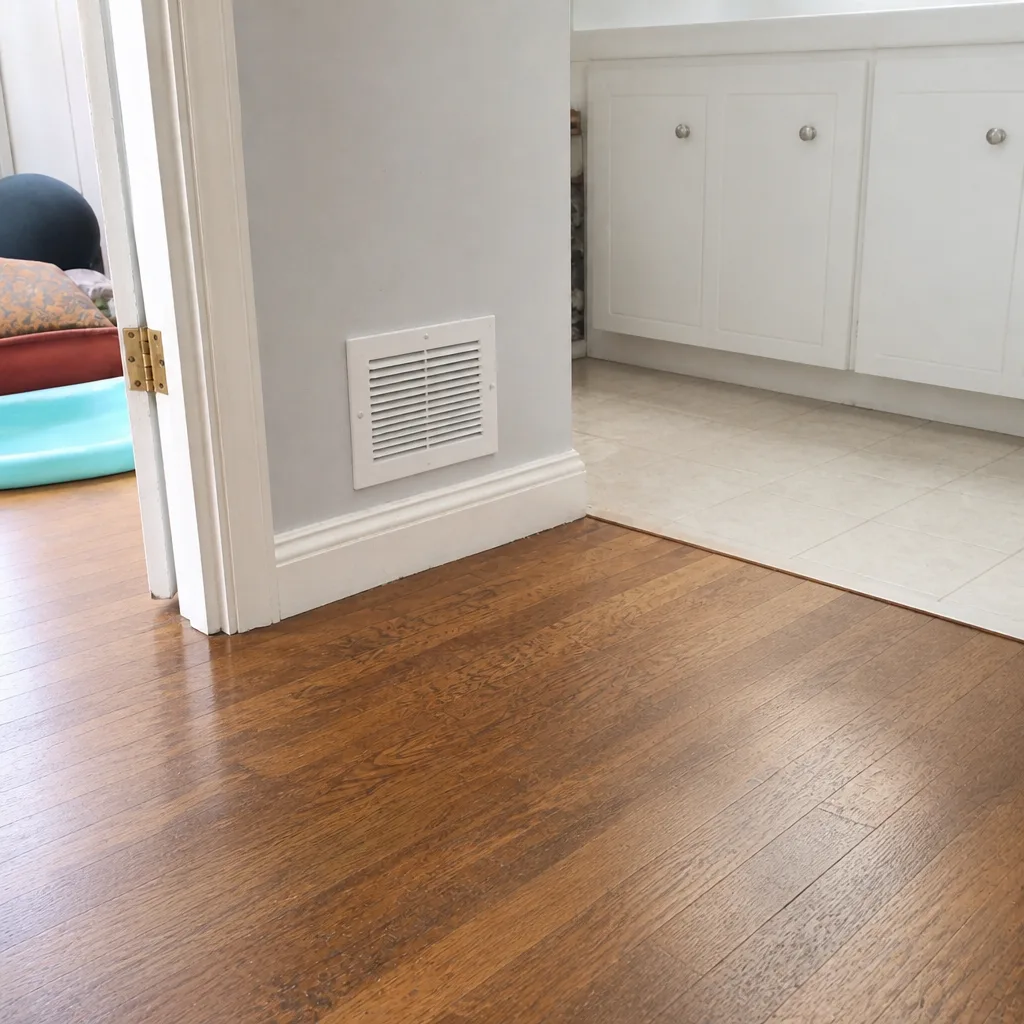 After
When to Call a Professional
Call a professional if the dust returns within days of cleaning, if musty odor comes out of the registers when the system cycles on, if anyone in the home has worsening allergy symptoms indoors, or if you’ve never had documentation of a duct cleaning in a pre-1960 Sunset Park home. Call if you’re planning a renovation or a new HVAC install, since the ducts should be cleaned after the work is done. Call if your dryer takes two cycles to dry a load – that’s a vent restriction, and it’s a fire risk. And call if you’re getting quotes and can’t tell the difference between a real NADCA-method clean and a blow-and-go: a written scope of work sorts that out. Air Duct Cleaning Sunset Park offers free estimates in Sunset Park – call (844) 351-1795. We answer 24/7. Fast dispatch from 7am to 7pm, Sunday through Friday. Every price is set per job by a written estimate, agreed before work starts, and every clean includes before-and-after photos of your own system. Our technicians have up to 9 years of experience, and the local pro we connect you with is licensed and insured as their state requires.
Frequently Asked Questions
Air duct cleaning in Sunset Park typically falls within a wide range because pre-war systems vary enormously in size, access, and condition, and the written estimate sets the final price. Ask for one flat price per system, agreed before work begins, and expect the estimate to be free. Call (844) 351-1795 for an exact quote – estimates are free.
Cheap quotes usually reflect a shorter service. A blow-and-go job takes about forty-five minutes and doesn’t agitate the full run or hold the system under continuous negative air, so the debris stays largely in place. A full NADCA-method clean with professional equipment (Rotobrush or Nikro systems) takes two-to-four hours and includes branch-level coverage, containment, and photo verification. Call (844) 351-1795 for an exact quote – estimates are free.
Ask for before-and-after photos of your own ducts and, where possible, a camera inspection at the far end of the longest run. A crew that skips documentation is asking for trust without evidence. We photograph every job before and after so you can see what changed. Call (844) 351-1795 for an exact quote – estimates are free.
Every three to five years for most Sunset Park homes, and closer to three if you’re near the BQE corridor or the industrial waterfront blocks, or if the home has pets or occupants with respiratory sensitivity. Five to seven years, the trade-standard interval, assumes cleaner outdoor air than this neighborhood has. Call (844) 351-1795 for an exact quote – estimates are free.
Not by default – sanitizing is a separate step, and it should come after source removal, never instead of it. Sanitizing without cleaning just coats the debris. We run sanitizing under Abatement Technologies negative-air containment with HEPA filtration, and Guardsman-grade cleaning protection is applied as part of the process. Call (844) 351-1795 for an exact quote – estimates are free.
The leak gets sealed on the same visit, because a leaky system will re-contaminate cleaned ducts within months. Sealing and repair are listed as a separate line in the written scope, so the price is agreed before work continues rather than tacked on afterward. Duct repair and sealing are part of our full-scope service, not a referral. Call (844) 351-1795 for an exact quote – estimates are free.
The Bottom Line
Sunset Park’s pre-war housing stock creates duct cleaning needs that a generic national guide can’t address. Longer horizontal runs, fewer access points, and a higher outdoor particulate baseline from the BQE corridor and the industrial waterfront all shorten the realistic cleaning interval and raise the standard for method. A full-source-removal clean with professional equipment, negative-air containment, sealing on the same visit, and before-and-after photos is what actually changes the air in the home. A blow-and-go service doesn’t. If you’re scheduling the work, ask for one flat price per system in writing, and check the scope lists each branch. That’s the whole difference between a real clean and a receipt.
Call (844) 351-1795 for a free estimate. We answer 24/7. Fast dispatch from 7am to 7pm, Sunday through Friday. Every price is set per job by the written estimate.
Written by the team at Air Duct Cleaning Sunset Park.