
Last updated November 22, 2026
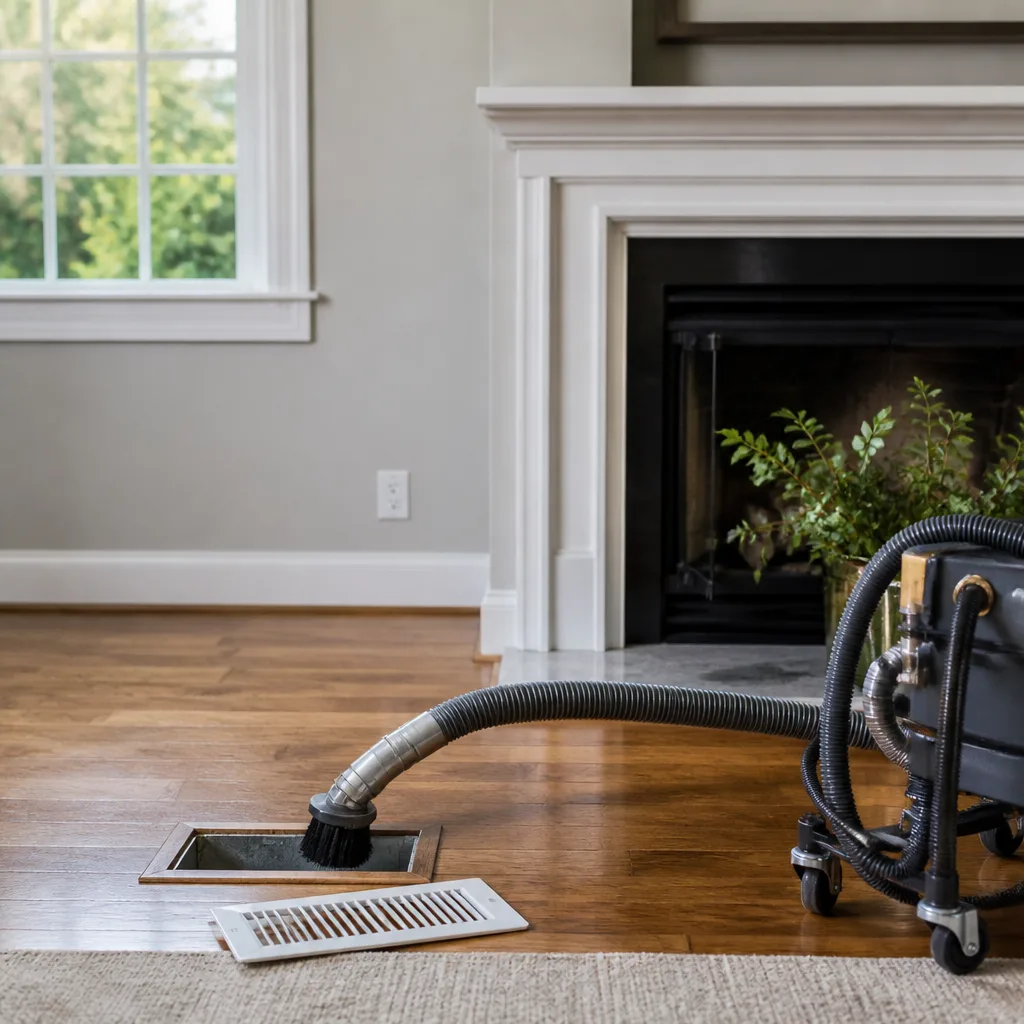 Whole-home duct cleaning
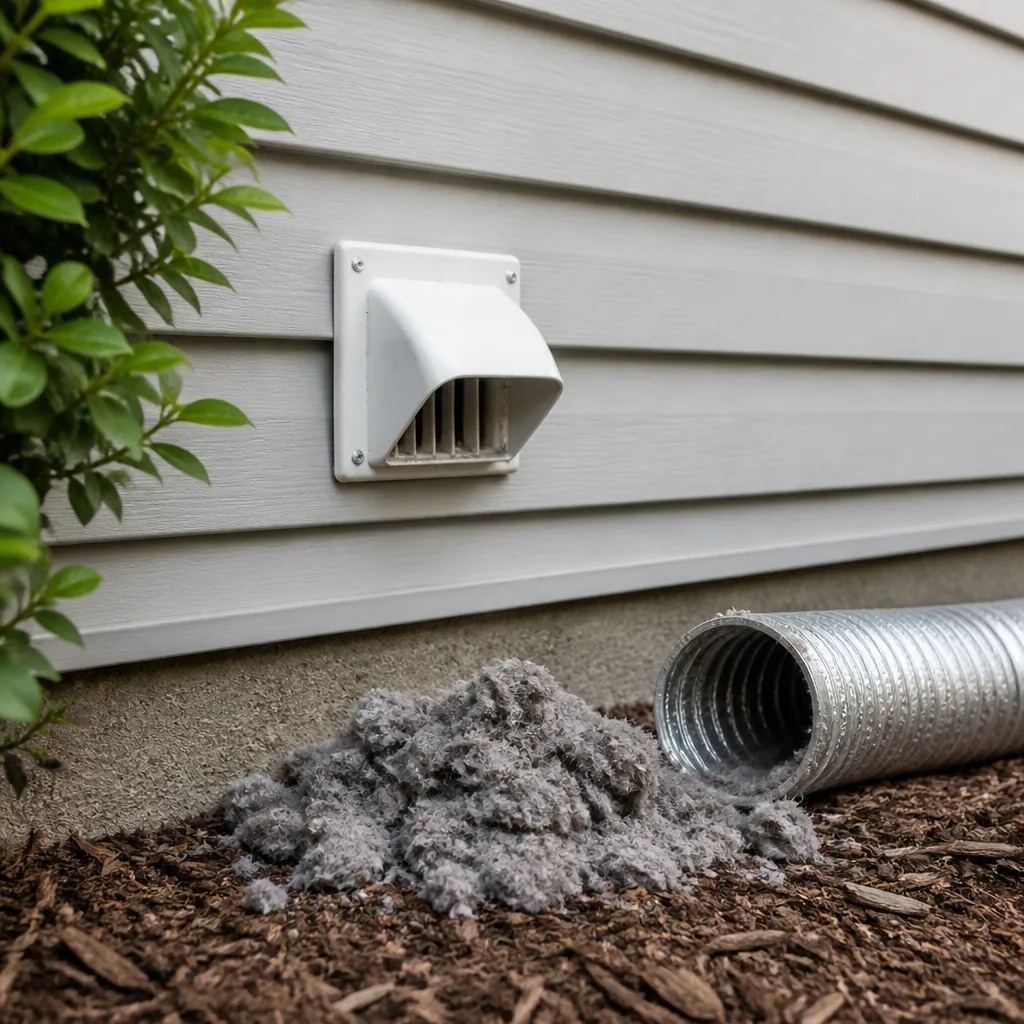 Dryer vent cleaning
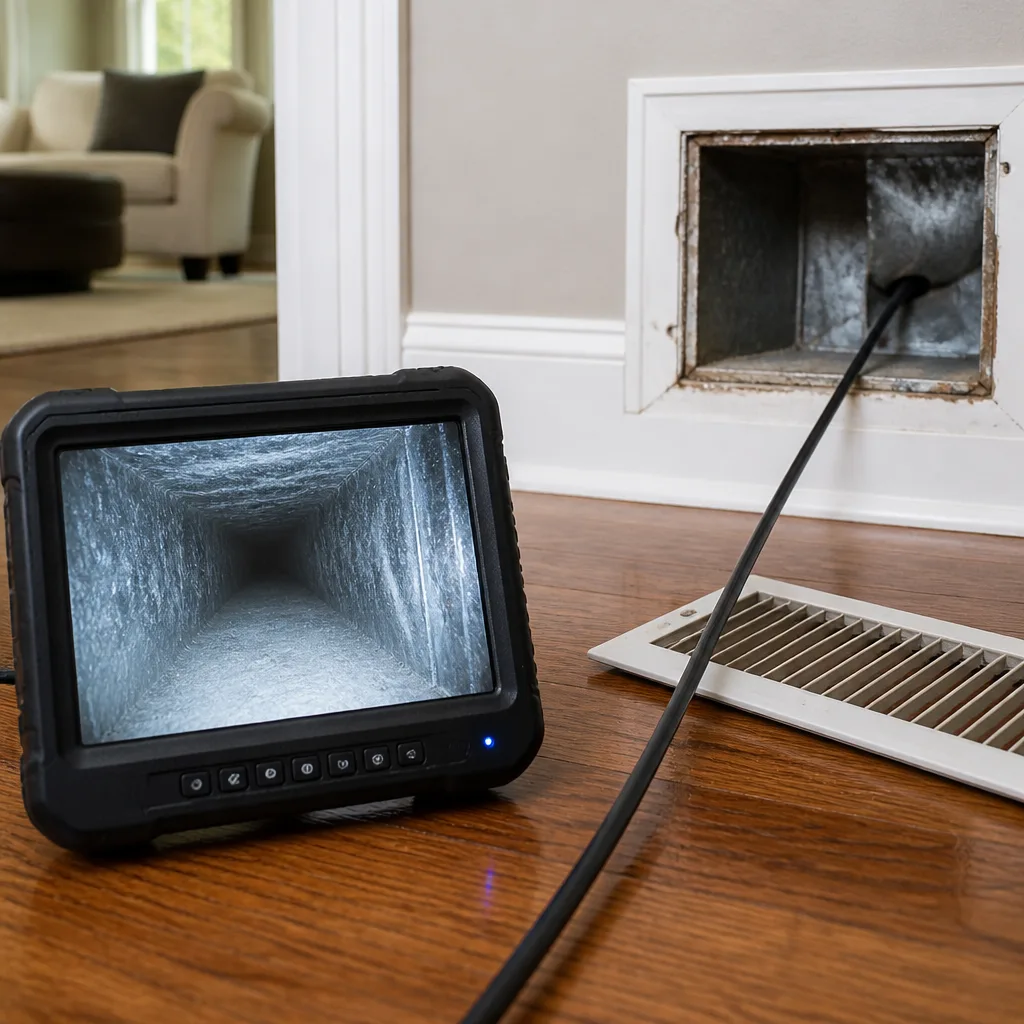 Camera inspection
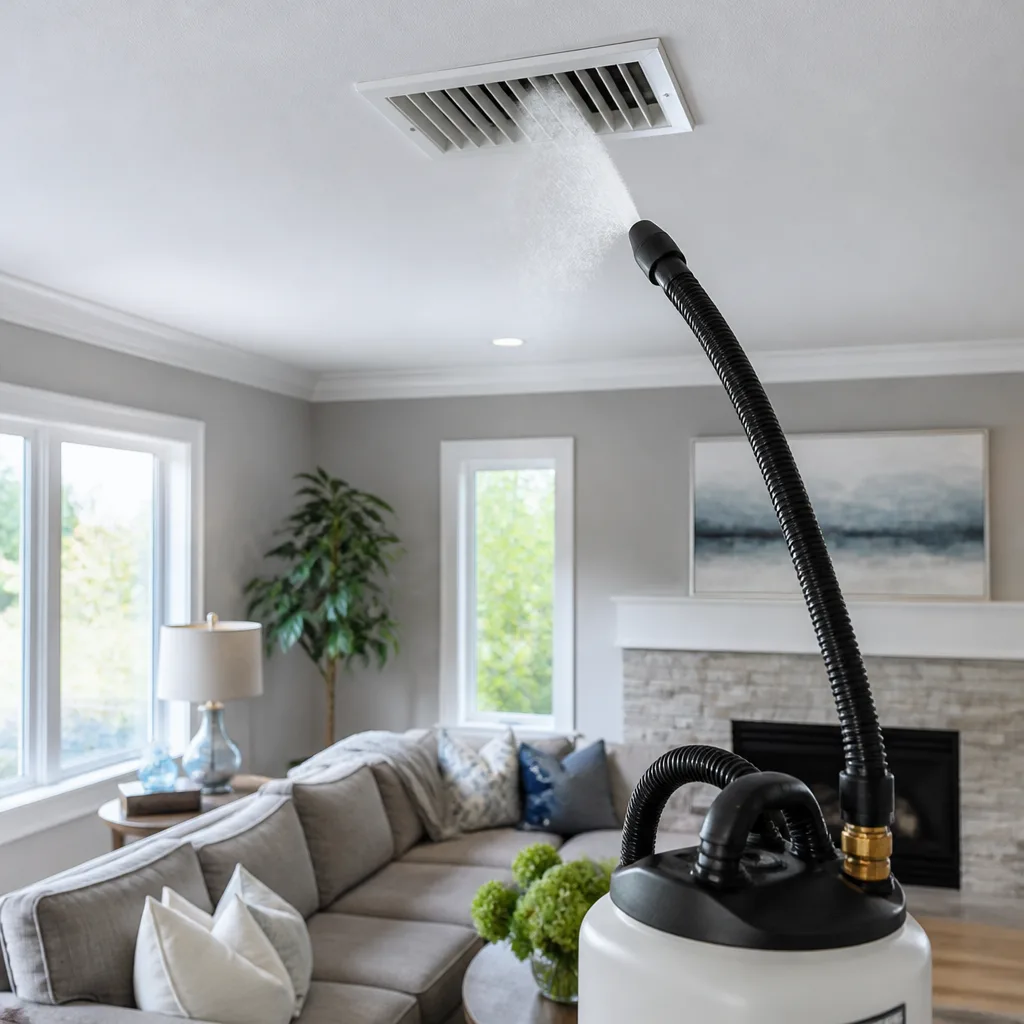 Sanitizing & deodorizing
Whole-system duct and dryer vent check with before-and-after photos - you see exactly what came out of your vents
That "$99 whole-house special" is a bait ad - the real number appears once they are in your hallway, or the "clean" is a shop-vac at the register. We photograph the inside of your ducts before and after instead.
Air Duct Cleaning Maintenance Checklist for Sunset Park Homeowners
Changing your filter every 90 days is the advice printed on every box. In a Sunset Park apartment sitting above a restaurant, or a row house a block off a busy avenue, that interval can be half what your system actually needs. Duct maintenance here isn’t a calendar you follow. It’s a set of conditions you read. The housing stock is old, the air outside carries street grit, and a lot of buildings share ductwork in ways a suburban house never does. Below is a checklist built around those conditions: what to watch, when to act, and which jobs belong to you versus a technician with the right equipment.
Quick Answer
A practical air duct maintenance checklist for Sunset Park homeowners means checking filters monthly and changing them when they’re visibly loaded, watching registers and duct joints for dust trails or odors, confirming your dryer vent is clear, and booking professional cleaning on a condition-based schedule rather than a fixed number of years. In Sunset Park’s older row houses and multi-family buildings, the conditions that matter most are odors at HVAC startup, visible dust around registers, and rising bills, because each points to a specific failure rather than general dirt.
Styles & brands we work with
- Whole-home duct cleaning
- Dryer vent cleaning
- Camera inspection
- Sanitizing & deodorizing
Table of Contents
- Calendar Triggers vs. Condition Triggers
- Checklist by Sunset Park Housing Type
- The Monthly Walkthrough
- Inspecting Duct Joints and Flex Connectors
- Dryer Vent Checks You Can Do Yourself
- What You Can Maintain vs. What Needs Pro Equipment
- Documenting Duct Condition Over Time
- Building Your Actual Schedule
Calendar Triggers vs. Condition Triggers
Most duct advice is calendar-based: clean every few years, change filters on a schedule, book a service in spring. That advice assumes a system in a fairly stable environment. Sunset Park systems don’t live in one. A ground-floor unit near a commercial kitchen pulls grease and cooking moisture into the return. An upstairs unit on a windy corner pulls in street dust at a higher rate. A row house with a long duct run and a couple of poorly sealed joints loses conditioned air before it reaches the far rooms. The calendar can’t see any of that. Conditions can.
Calendar triggers still have a place. They’re a useful backstop for people who’d otherwise never look. But they should sit underneath condition triggers, not replace them.
- Calendar triggers are good for filter changes in a low-dust home, annual dryer vent inspections, and a baseline professional check. They’re predictable and easy to remember.
- Condition triggers are good for everything else: smell, visible dust, uneven airflow, bill changes, and the age of the building’s duct materials. They tell you when the calendar’s assumption no longer holds.
When a condition trigger fires, it usually points to a specific cause. A musty smell at startup suggests moisture or biological growth somewhere in the system. Dust trails around a register suggest a leaking joint nearby. A room that never gets warm suggests a disconnected or crushed flex run. Each of those is a different job, and treating them all as “time for a cleaning” wastes money.
Checklist by Sunset Park Housing Type
Sunset Park isn’t one housing type. A maintenance checklist that ignores that will be wrong for most of the neighborhood. The two broad categories below cover the majority of what we see, and the differences matter more than the similarities.
Row houses with extended duct runs
Older row houses often have long trunk lines running from a central unit out to rooms on both sides, with branches off the trunk. The longer the run, the more static pressure the system fights, and the more a small leak costs you. Checklist for this type:
- Walk the full length of the run. Feel for weak airflow at the farthest register compared with the nearest one.
- Look at accessible joints in the basement or utility space. Any joint you can see should be sealed, not taped with something peeling.
- Check flex connectors where rigid duct meets the air handler. They crack and collapse over time.
- Watch for dust trails on the floor or ceiling right below a run. That’s air escaping where it shouldn’t.
Multi-family buildings with shared plenums
In a multi-family building, returns and sometimes supply plenums are shared between units. That means one unit’s cooking, dust, or moisture can travel. It also means the building’s duct system has to be understood as a whole, not unit by unit. Checklist for this type:
- Note whether odors from another unit show up in yours at HVAC startup. That’s a shared-path signal.
- Check that your own return grille isn’t blocked by furniture or a closed door that cuts off return air.
- Coordinate with building management before any duct work, since shared runs affect multiple units.
- Pay attention to moisture. Shared systems can spread humid air into units that don’t generate it.
If you’re not sure which type you’re dealing with, that’s a good first question for a technician. The right diagnosis depends on knowing whether your ducts are exclusive to your unit or shared with neighbors.
The Monthly Walkthrough
A short monthly walkthrough catches most problems while they’re cheap to fix. It takes about ten minutes and doesn’t need tools beyond a flashlight. Do it on the same day each month so it becomes routine.
- Check the filter. Hold it up to a light. If you can’t see light through it, change it. In a dusty Sunset Park unit, that might be every 30 to 45 days rather than 90.
- Look at each register. Wipe the face with a damp cloth. Look for dark streaks on the wall or ceiling around it, which suggest a leak at the boot or joint.
- Listen at startup. When the system kicks on, listen for rattles, whistles, or a whoosh that sounds like air escaping. Note the sound and where it comes from.
- Smell the first air. A musty or dusty smell in the first minute is a condition trigger. A faint smell that fades is normal; a strong one that lingers is not.
- Check airflow at the farthest register. Hold your hand there. Compare it to the nearest register. A big difference points to a leak or a crushed run.
- Glance at the dryer vent exterior flap. It should move freely when the dryer runs. If it’s stuck or the lint screen fills faster than usual, the run is likely clogging.
Write down anything you notice. The most useful thing you can bring to a technician is a simple log of what changed and when. More on that below.
Inspecting Duct Joints and Flex Connectors
Most of the air loss in an older system happens at the joints, not in the middle of a duct run. That’s where the checklist earns its keep. You’re looking for the places where two pieces of duct meet, where rigid duct connects to flex, and where duct connects to the air handler or a register boot.
You can inspect accessible joints without any special equipment. What you’re checking for:
- Separation. Gaps where two sections have pulled apart. Even a small gap leaks a surprising amount of air.
- Crushed or kinked flex. Flex duct should run as straight as it can. A sharp bend or a section pinched behind a joist restricts airflow and collects debris.
- Failing tape or mastic. Old cloth tape dries out and peels. Mastic that has cracked and fallen away leaves the joint open.
- Moisture or staining. Dark staining near a joint often means condensation, which points to an insulation or sealing problem upstream.
- Pest evidence. Droppings or chewed material near a joint mean the system has an opening to the outside it shouldn’t have.
What you should not do is crawl into a tight crawlspace or reach into a duct to fix a joint yourself. Sealing a joint properly needs the right material and, often, the right access. Note the location, take a photo if you can, and pass it along. That’s the safe and useful move. Proper sealing is part of what a duct repair and sealing visit handles, and it fixes the root cause rather than just cleaning around it.
Dryer Vent Checks You Can Do Yourself
The dryer vent is the part of home duct maintenance most people skip, and it’s the part with the highest safety stakes. A clogged dryer vent is a leading cause of residential fire, and the buildup happens quietly. It’s also one of the easiest things for a homeowner to check on a regular basis.
What you can check yourself:
- The lint screen. Clean it before every load. This isn’t optional.
- The exterior flap. Go outside when the dryer runs. The flap should open and stay open, and you should feel warm, moist air coming out with force. A flap that barely moves, or lint visible around it, means the run is restricted.
- Drying time. If a load that used to finish in 45 minutes now takes 70, the vent is likely clogging.
- Heat on the dryer body. A dryer that feels unusually hot to the touch, or a laundry room that gets humid, points to restricted airflow.
What you shouldn’t do is disconnect the duct and run a rod through it yourself, especially if the run is long, hidden behind a wall, or routed through a roof. That’s a job for someone with the right equipment and the ability to check the full run. If your dryer vent hasn’t been cleaned in a while and you’re seeing any of the signs above, getting it looked at is a straightforward safety call.
What You Can Maintain vs. What Needs Pro Equipment
The line between homeowner maintenance and professional work is fairly clear once you know where it sits. Staying on your side of it saves money and keeps you safe. Crossing it with the wrong tools usually makes things worse.
What you can legitimately maintain
- Filter changes, and knowing when to change them based on condition rather than the box.
- Register and grille cleaning with a damp cloth.
- Keeping return grilles unblocked by furniture and closed doors.
- Dryer lint screen cleaning and the monthly exterior flap check.
- Visual inspection of accessible joints and flex connectors.
- Recording what you see and when you saw it.
What genuinely needs professional equipment
- Cleaning the inside of the duct runs. A shop vacuum or a consumer vacuum doesn’t have the suction or the reach. Professional systems like Rotobrush and Nikro are purpose-built for the job and agitate and extract debris other methods leave behind.
- Sealing leaking joints and repairing damaged flex. This is duct repair and sealing, and it needs proper materials and access.
- Sanitizing a contaminated system. This is where negative-air containment and HEPA-level filtration matter. Abatement Technologies equipment used during sanitizing jobs prevents cross-contamination through the rest of the home, which a standard blow-and-vacuum crew can’t do.
- Dryer vent cleaning on a long or hidden run. The full run needs to be cleared and checked, not just the part you can reach.
- Whole-system HVAC cleaning. The air handler, coil, and blower need attention that goes beyond the ducts themselves.
- Air quality product service. Honeywell and Aprilaire filtration and air quality products need proper service to work as intended.
Our technicians have up to 9 years of experience, and the most common thing they find on a first visit is a system that was partly cleaned by someone without the right equipment. The dirt left behind is exactly the dirt that recirculates.
Documenting Duct Condition Over Time
This is the part of the checklist that gets skipped, and it’s the part that most affects what you’ll be quoted and recommended later. A technician who knows the history of your ducts can make a better recommendation than one starting from zero. You don’t need a spreadsheet. A simple note on your phone is enough.
A useful log records:
- The date and what you did. Filter change, register cleaning, dryer flap check. Keep it short.
- What you observed. “Filter dark after 40 days.” “Slight musty smell at startup in the back bedroom.” “Farthest register weak compared to front.”
- Photos. A photo of a dust trail around a register, or a joint that looks separated, is worth more than a paragraph of description.
- Any changes to the system or the building. A new appliance, a renovation, a change in who lives in a shared unit. All of it affects airflow.
- What previous work was done and by whom. If a crew cleaned or sealed part of the system, note it, including which service.
When a technician arrives, this log tells them where to look first. It shortens the diagnostic conversation and it prevents the guesswork that leads to unnecessary work. In a Sunset Park row house with a long run, knowing that the farthest register has been weak for a year points straight to a leak or a crushed flex. That’s a repair and sealing visit, not a cleaning.
Building Your Actual Schedule
A condition-based schedule looks different from a calendar, but it still has structure. Here’s the rhythm that holds up in Sunset Park’s housing.
- Monthly: the walkthrough above. Filter check, register inspection, startup listen and smell, farthest-register airflow check, dryer flap check.
- Every filter change: note the date and how dark the filter was. You’ll start to see your actual interval.
- When a condition trigger fires: book the specific service that addresses it, not a blanket “cleaning.”
- Annually: a dryer vent check and a professional look at the accessible parts of the system, even if nothing seems wrong.
- After any renovation or major moisture event: a fresh look at the ducts, since both send debris and moisture into the system.
If your log shows you’re changing the filter every three weeks, or the same musty smell keeps returning after cleaning, that’s the point at which a proper air duct cleaning visit is worth booking. When you do book, the right scope covers cleaning, repair and sealing, and sanitizing where needed. That full-scope approach handles the root cause, which is what keeps the smell from coming back. You can read more about the full air duct cleaning scope, the dryer vent cleaning service, and HVAC cleaning before you call.
Common Mistakes to Avoid
- Following the 90-day filter rule blindly. In a dusty or above-a-restaurant unit, that interval is too long. Check the filter by light, not by the calendar.
- Booking a cleaning when the real problem is a leak. Dust around a register often means a leaking joint, not general dirt. Cleaning without sealing won’t fix it.
- Using a shop vacuum on the ducts yourself. It doesn’t have the suction or reach, and it can push debris further instead of removing it.
- Ignoring the dryer vent because the dryer still works. A clogged vent still dries clothes, just more slowly, and that’s the early warning most people miss.
- Cleaning shared plenums without coordinating with the building. In a multi-family building, work on shared runs affects neighbors and needs to be coordinated.
- Never documenting anything. Without a log, every visit starts from zero and you’ll get generic recommendations instead of targeted ones.
- Treating a musty smell as normal. A musty smell at startup is a condition trigger that points to moisture or growth somewhere in the system. Get it looked at.
See the difference
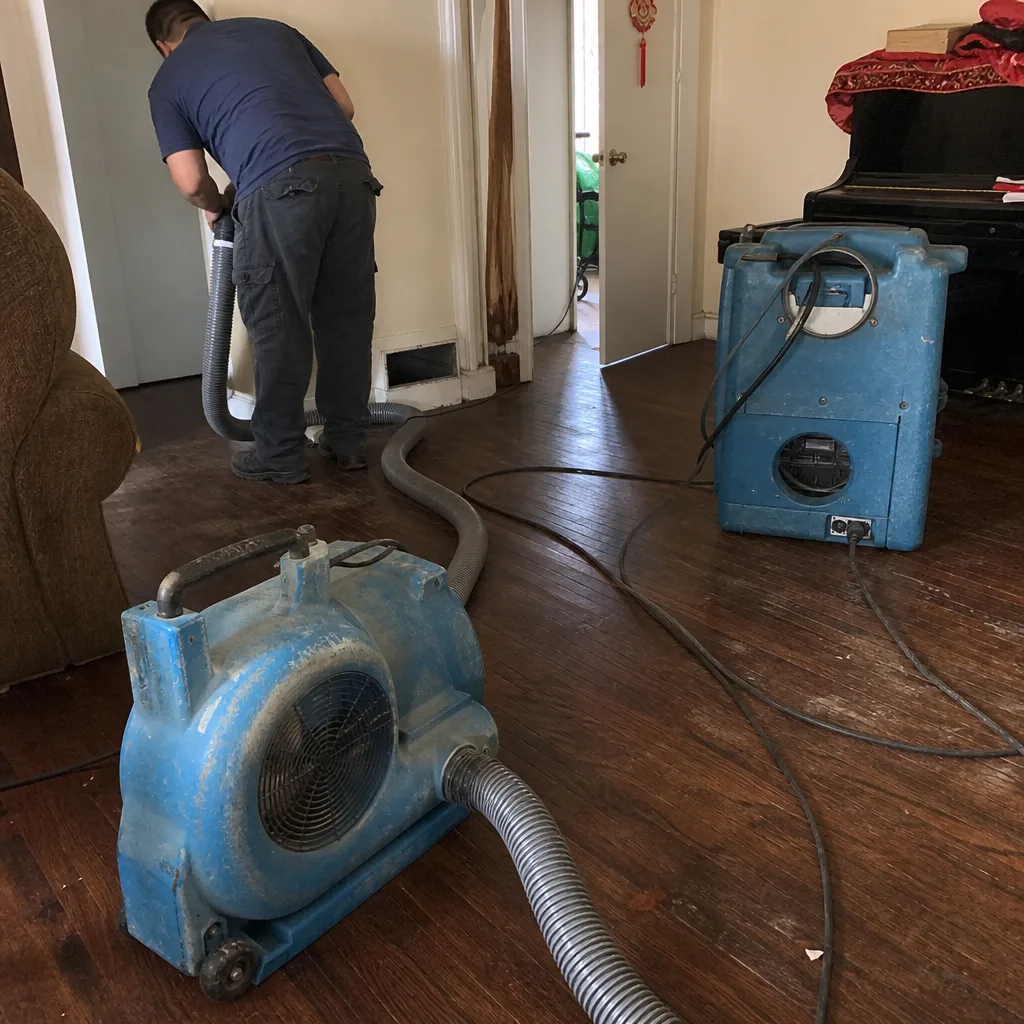 Before
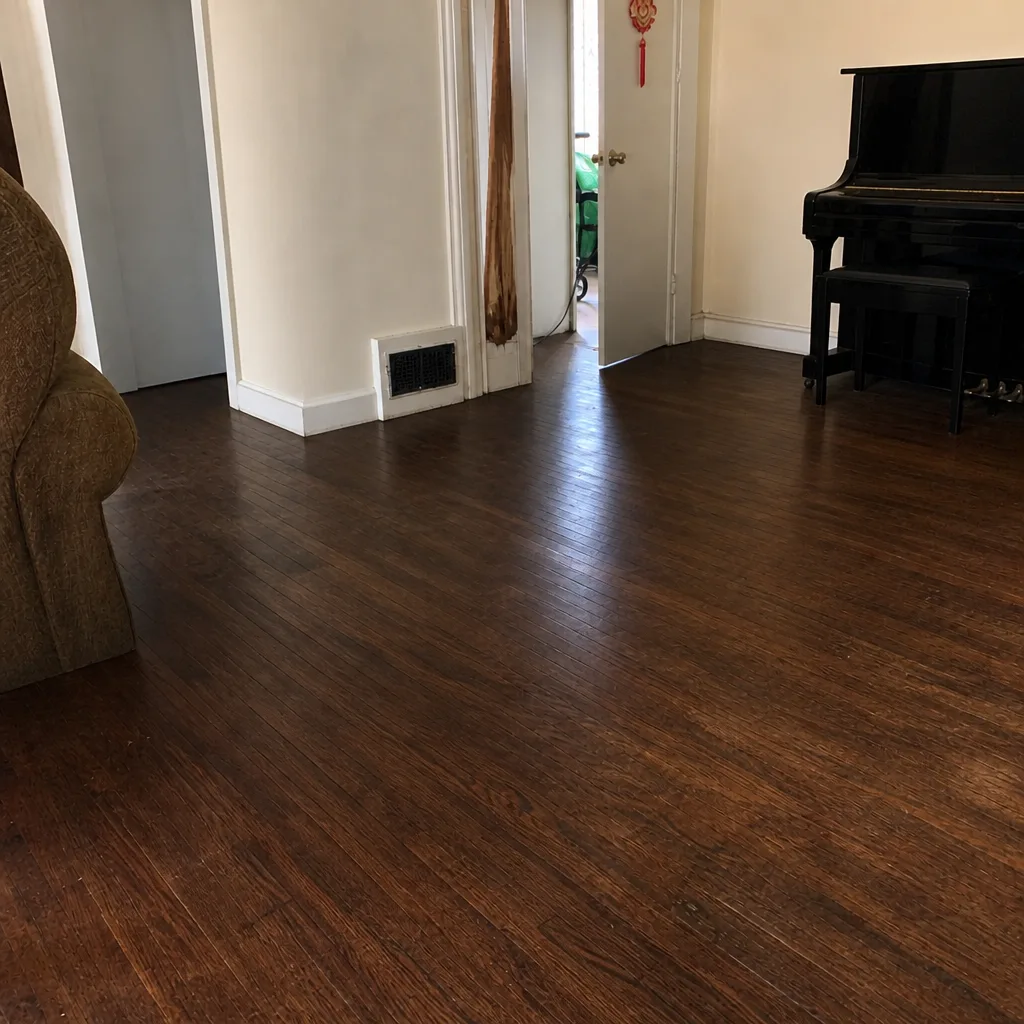 After
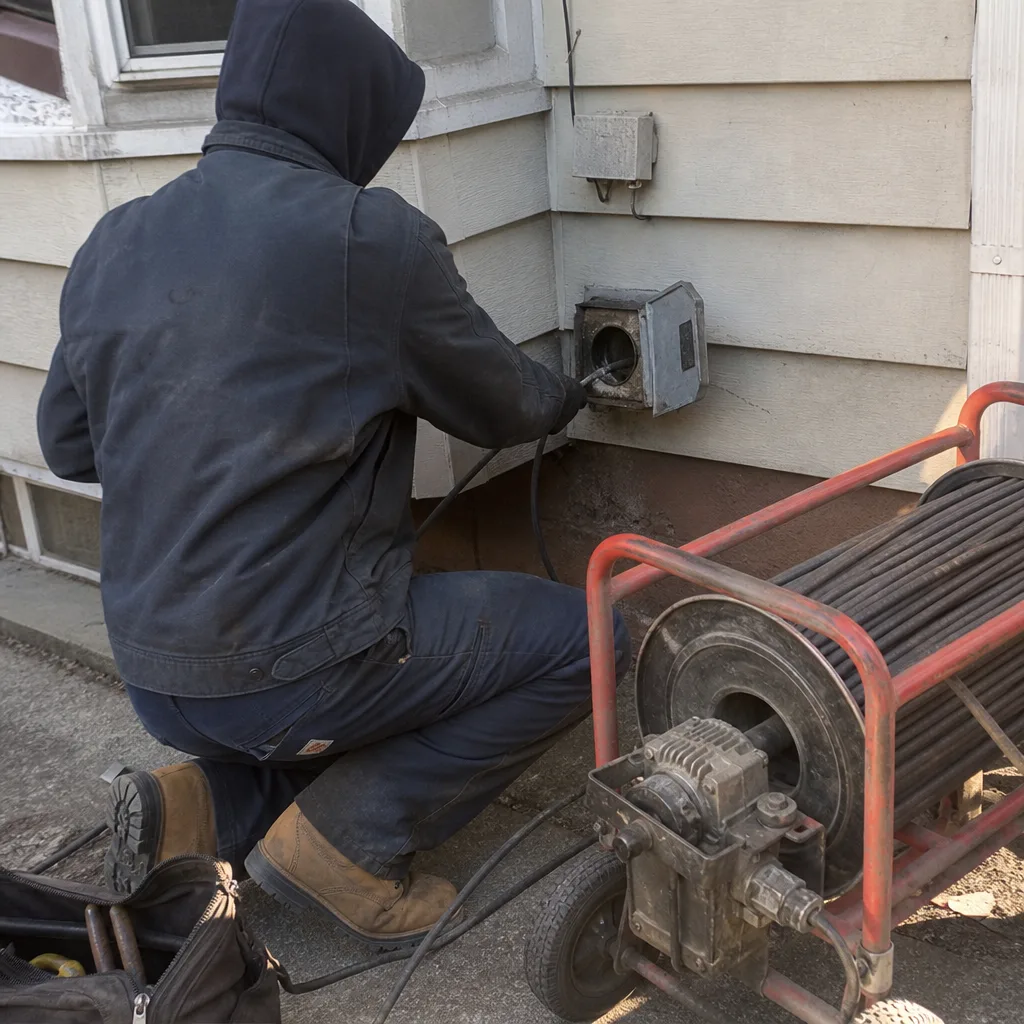 Before
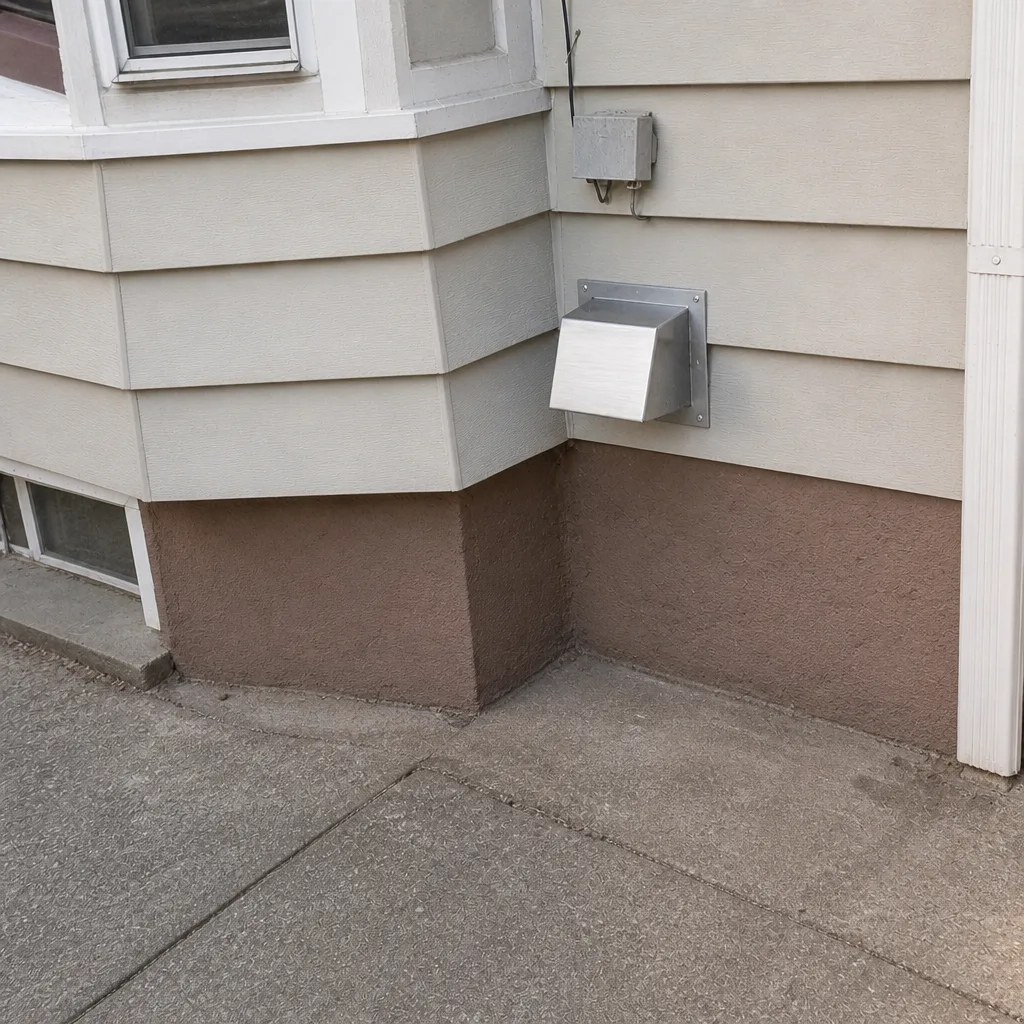 After
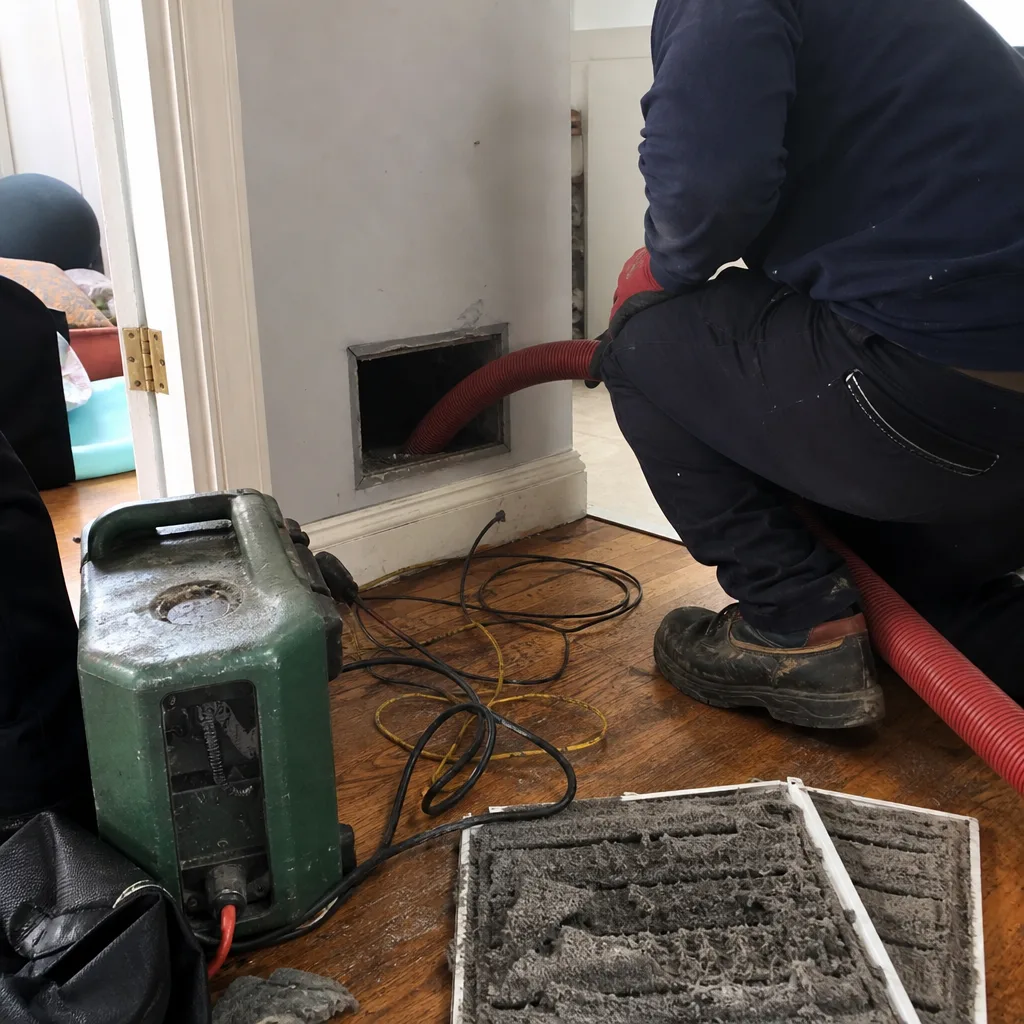 Before
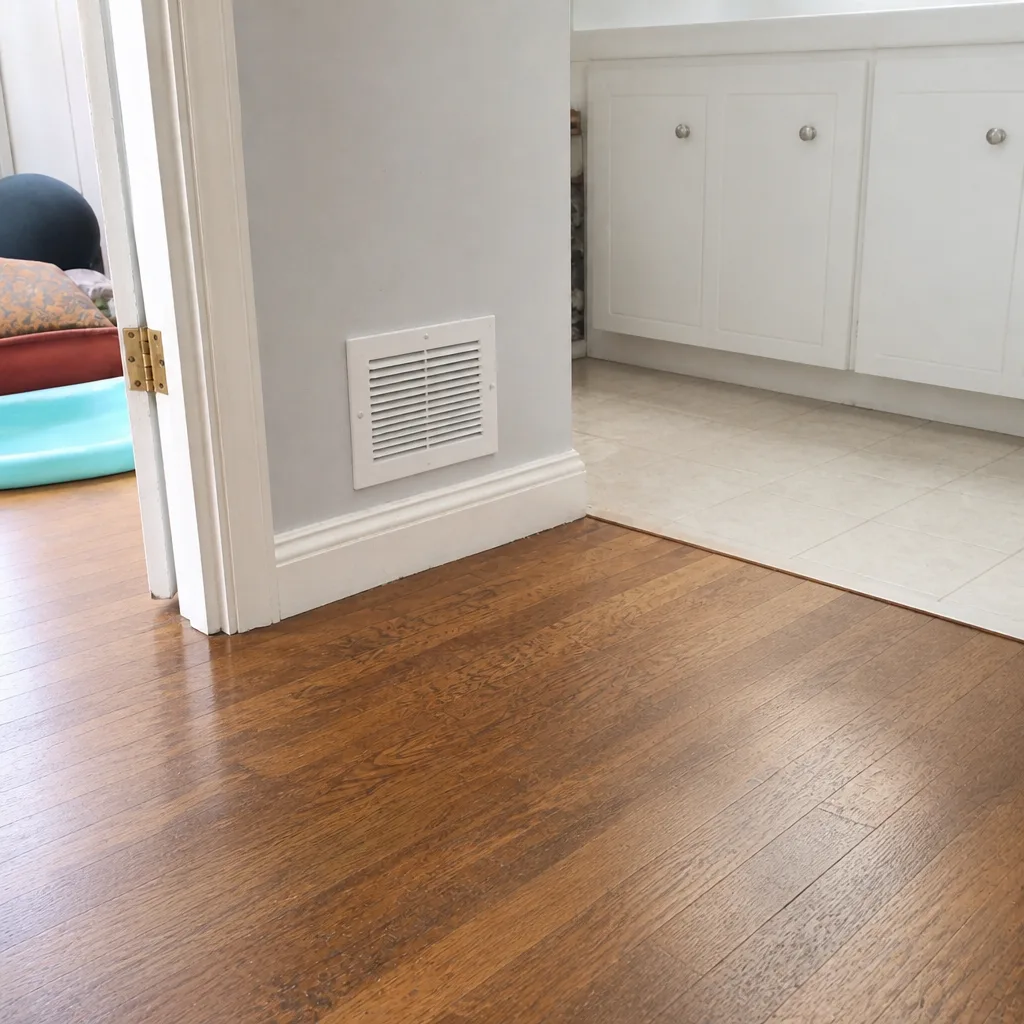 After
When to Call a Professional
Some signals mean it’s time to stop checking and start booking. Call a professional when you notice a persistent musty smell at HVAC startup, visible dust trails around registers that return after cleaning, a room that stays weak on airflow even after a filter change, a dryer that takes noticeably longer to dry, or a dryer vent flap that barely moves. Call if your log shows filters loading unusually fast or if you’ve had water damage or a renovation that sent debris into the system. And call if the joints you can reach are separated or the flex is crushed, since that’s a repair and sealing job. Air Duct Cleaning Sunset Park offers free estimates in Sunset Park. Call (844) 351-1795. We answer 24/7. Fast dispatch from 7am to 7pm, Sunday through Friday.
Frequently Asked Questions
There’s no fixed interval that fits every Sunset Park home. Condition should drive the schedule: if you see dust trails, smell a musty odor at startup, or have had work done that sent debris into the system, it’s time. For a well-kept system with none of those signs, a professional check on an annual basis plus your own monthly walkthrough is a reasonable rhythm.
The honest answer is that it depends on the scope of the job, and you should be wary of anyone who quotes a teaser figure before looking at the system. We give one flat price per system, agreed before work starts, with no per-vent pricing, and we show before-and-after photos of your own ducts so you can see what was removed. Call (844) 351-1795 for a free estimate. The written estimate sets the final price.
Cheap quotes usually mean a limited scope: a quick pass with underpowered equipment, no repair or sealing, and no access to shared or hidden runs. The dirt that’s left behind recirculates, and any leak the crew didn’t seal is still there. A full-scope visit cleans with professional-grade equipment, repairs and seals what needs it, and sanitizes where moisture or contamination is present. That’s what the flat price covers.
No. A filter protects the equipment from incoming dust; it doesn’t clean what’s already settled in the ducts. Filters are worth staying on top of, but they’re a different job. Once debris has accumulated in the runs and on the air handler, only proper cleaning removes it.
Ask for before-and-after photos of your own system, not stock photos. Ask what was inspected, what was cleaned, and what was repaired or sealed. A crew that gives you one flat price, shows you photos of your ducts, and stands behind the work is giving you something you can verify. Call (844) 351-1795 for a free estimate.
Yes. A clogged dryer vent is a leading cause of residential fire, and the buildup is gradual enough that many people don’t notice until drying times stretch out. The monthly exterior flap check and a professional vent cleaning are both worth doing. Call (844) 351-1795 if you’re overdue.
The Bottom Line
A maintenance checklist for Sunset Park ducts is really a decision tree, not a calendar. Watch for the local triggers that matter most in older Brooklyn housing: odors at startup, dust trails around registers, weak airflow on long runs, and slow drying times. Do the monthly walkthrough, know your actual filter interval, keep the dryer vent clear, and log what you see. Handle the filter, register, and visual checks yourself; leave the cleaning, sealing, and sanitizing to professional equipment. When you’re ready for a diagnosis, Air Duct Cleaning Sunset Park connects you with vetted local professionals. Call (844) 351-1795 for a free estimate. We answer 24/7. Fast dispatch from 7am to 7pm, Sunday through Friday.
Written by the team at Air Duct Cleaning Sunset Park.