
Last updated November 22, 2026
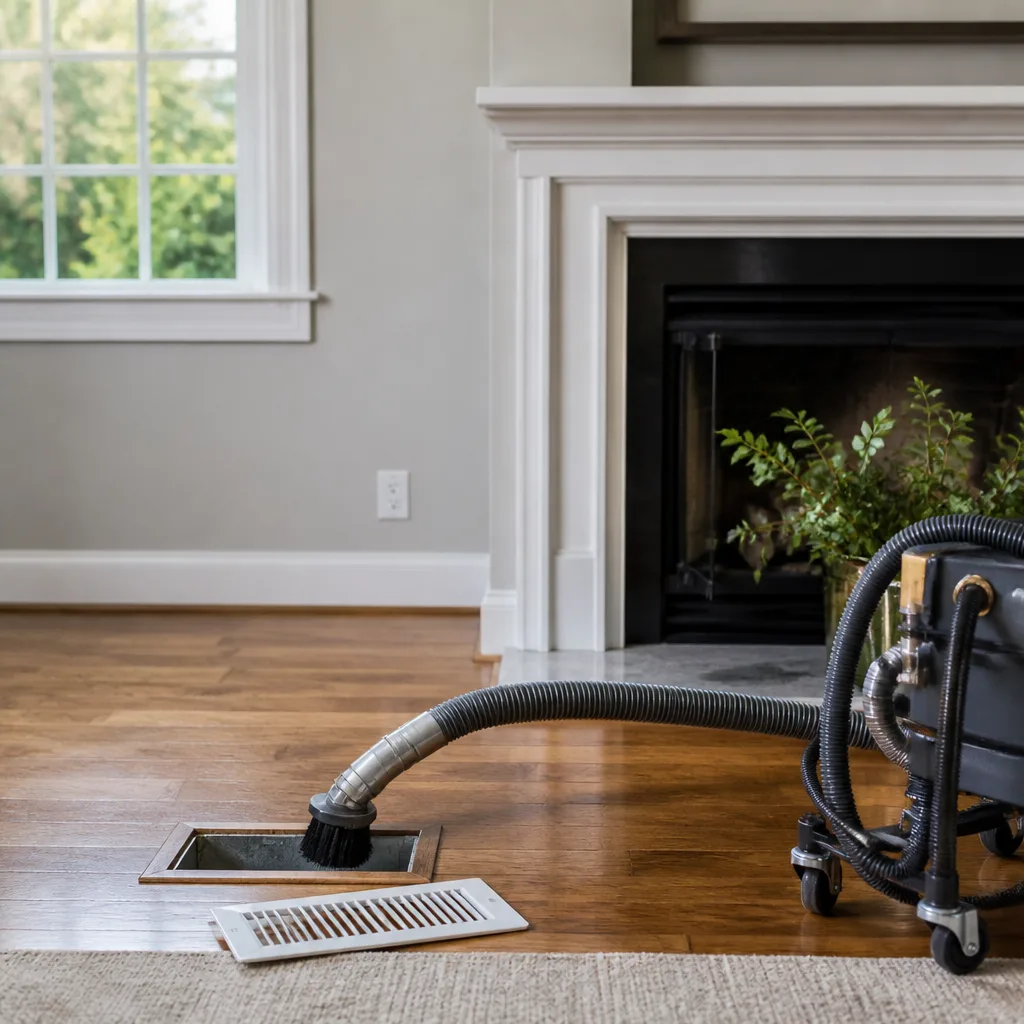 Whole-home duct cleaning
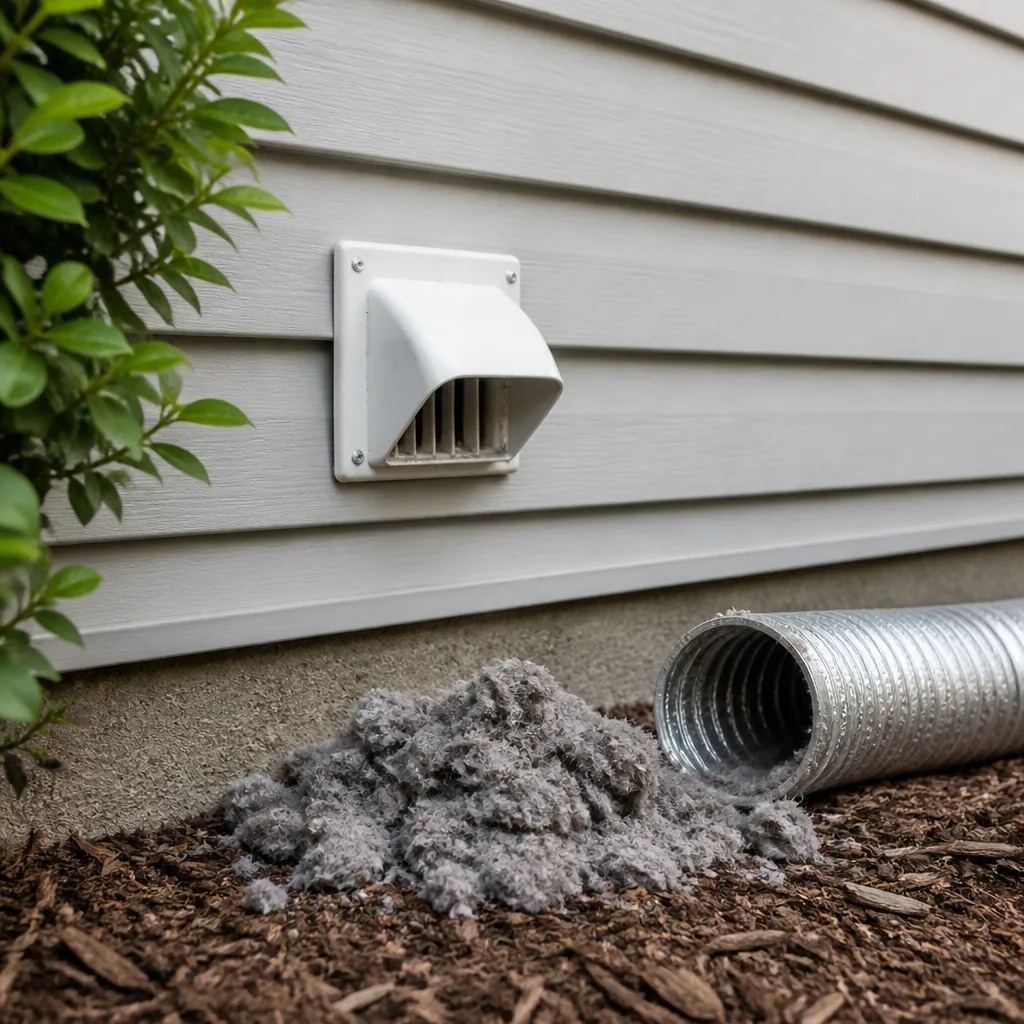 Dryer vent cleaning
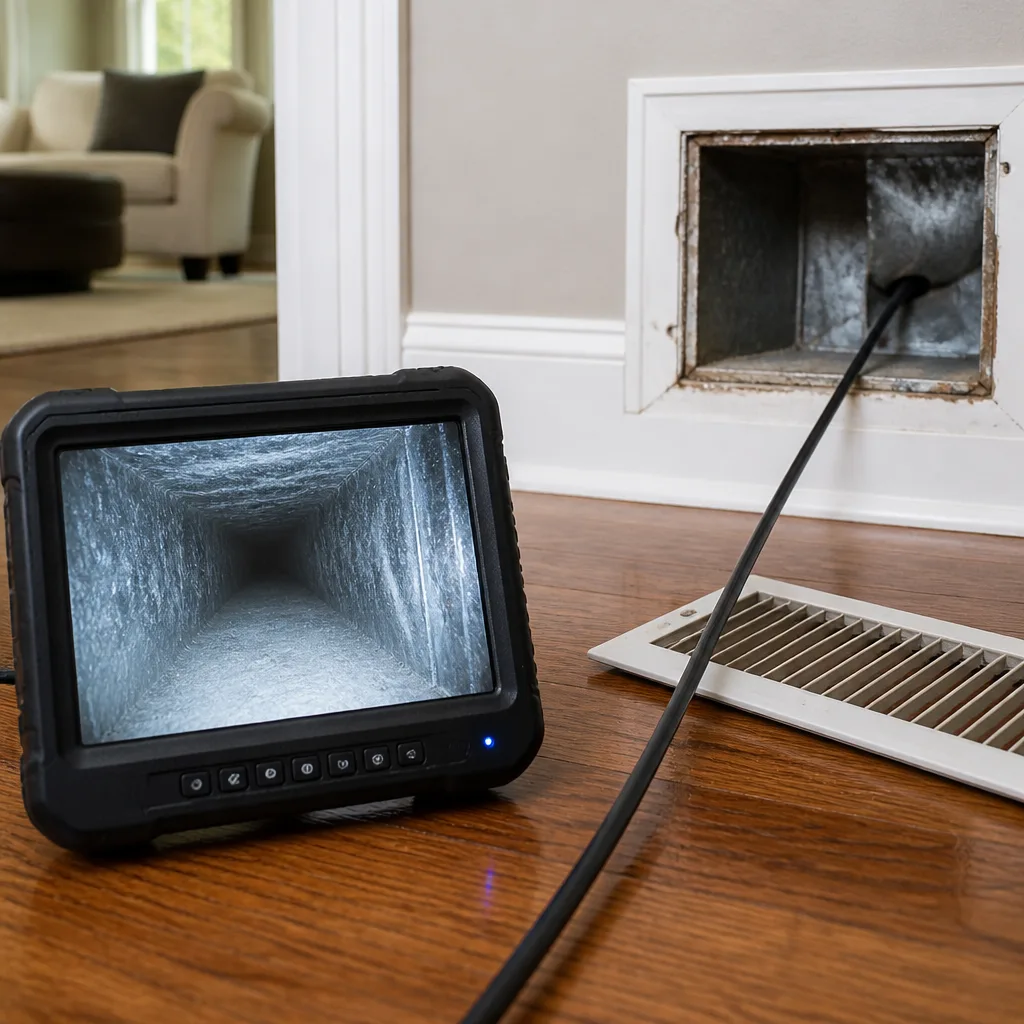 Camera inspection
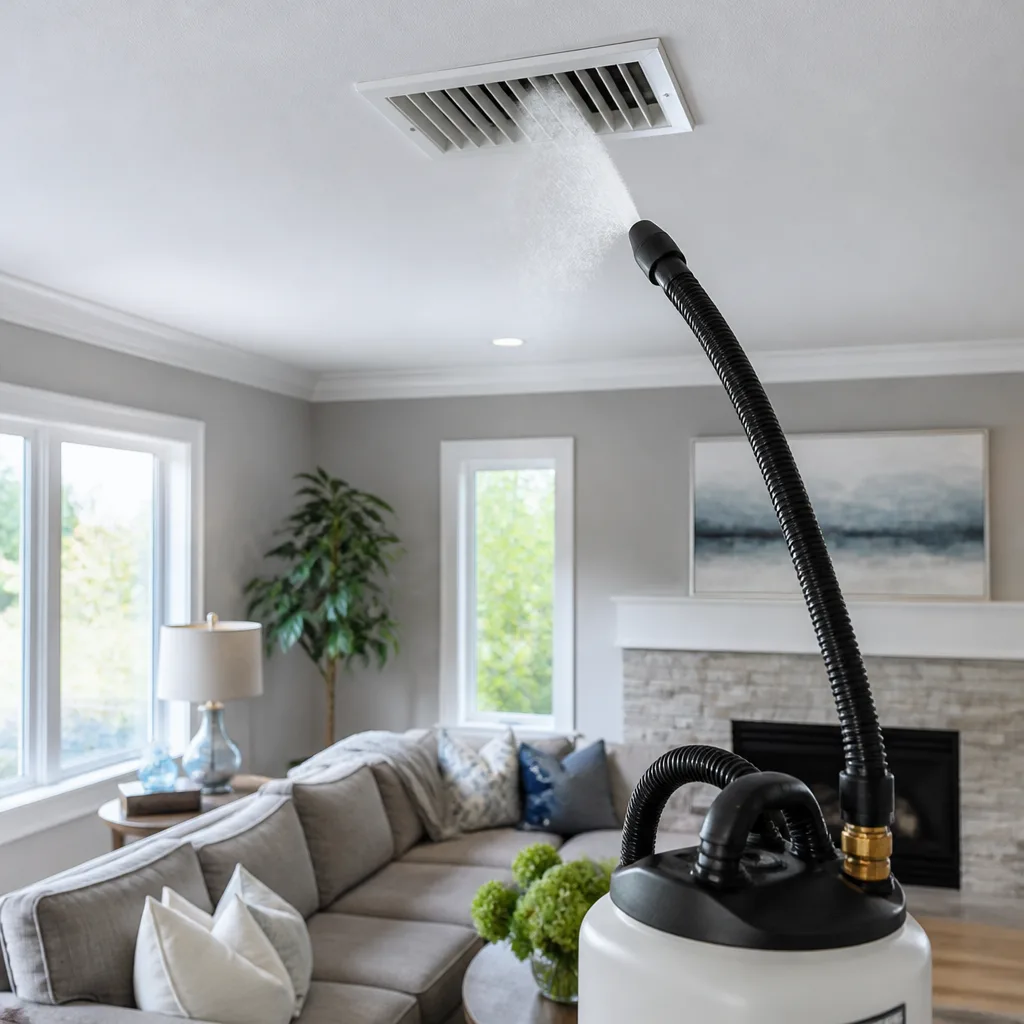 Sanitizing & deodorizing
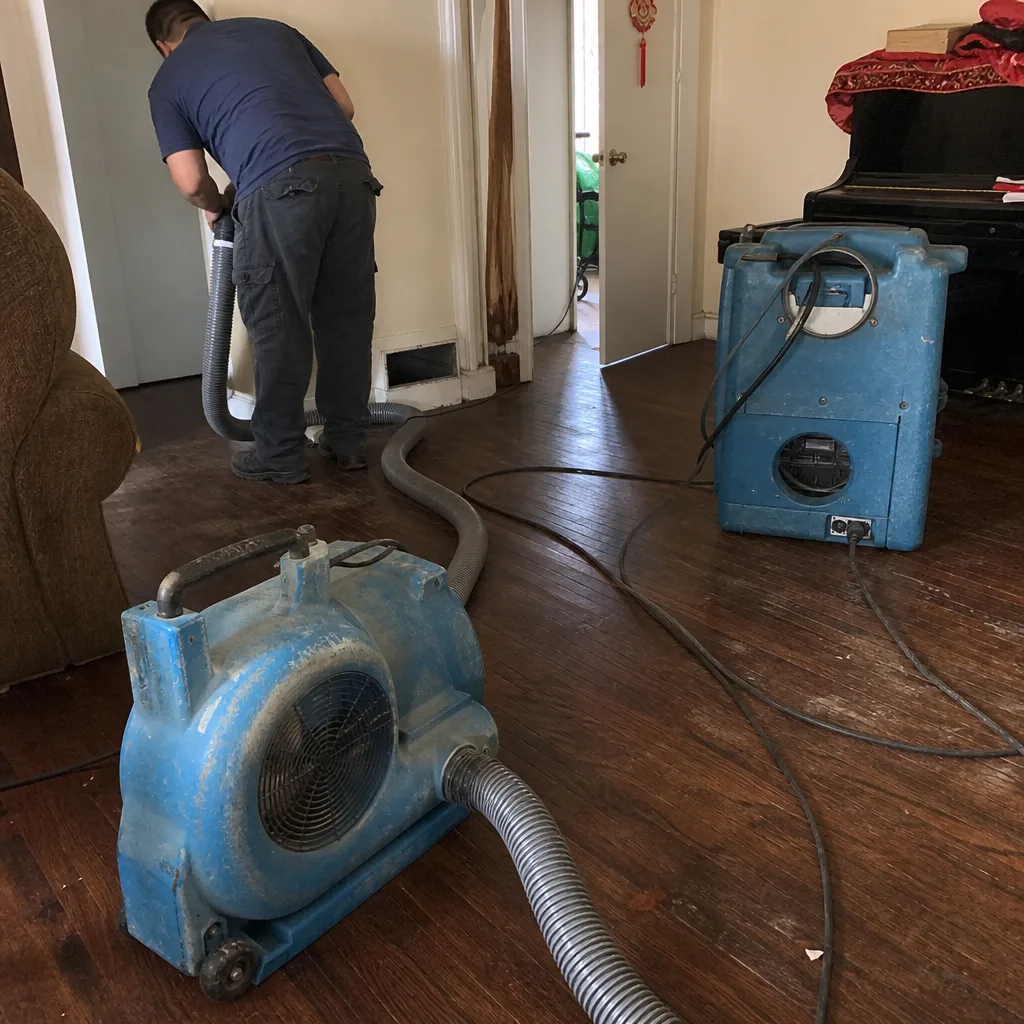
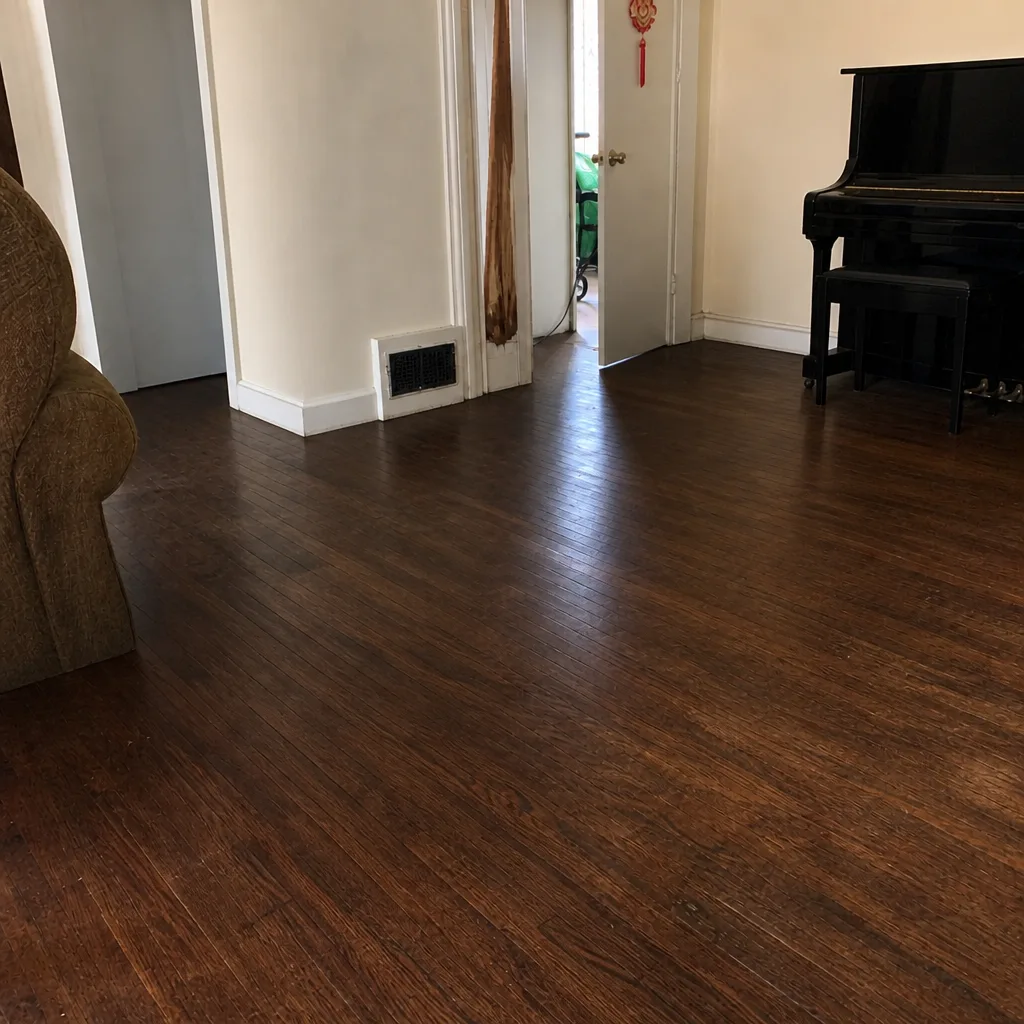
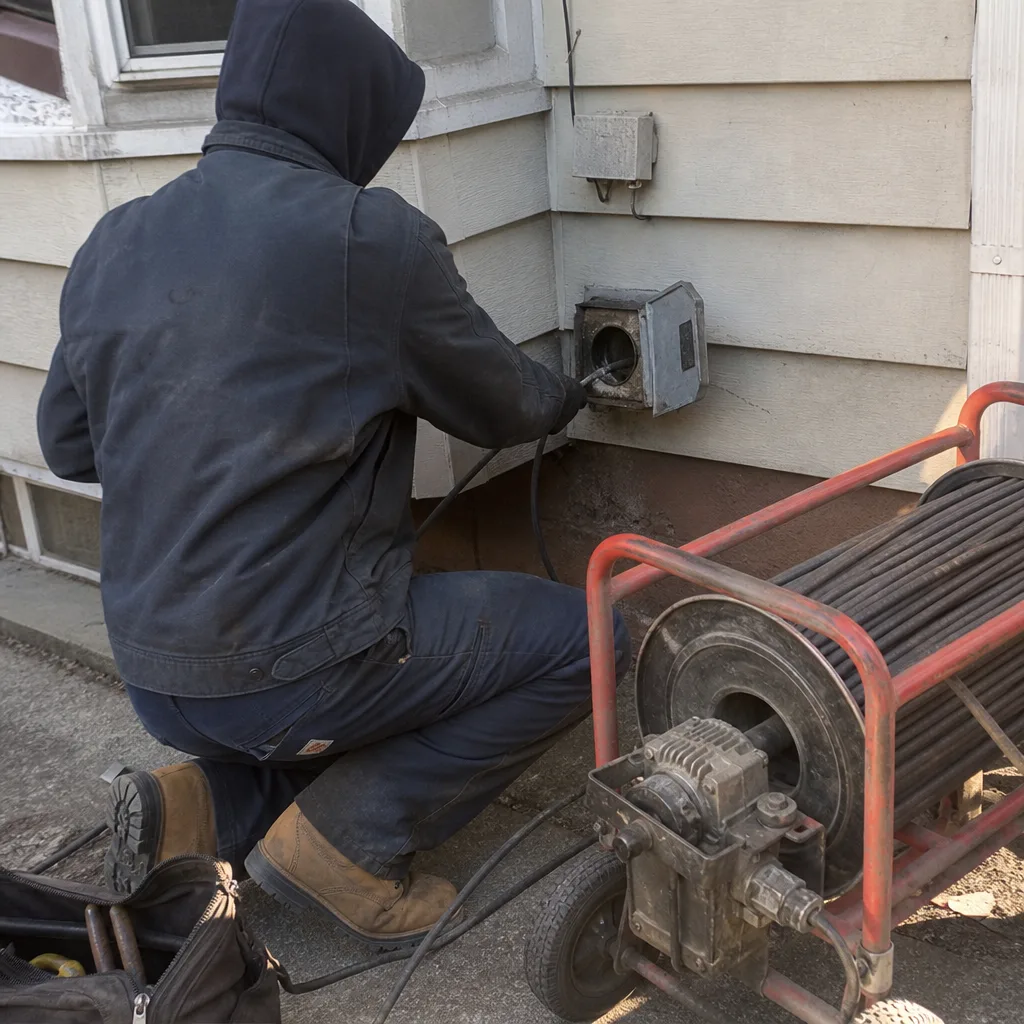
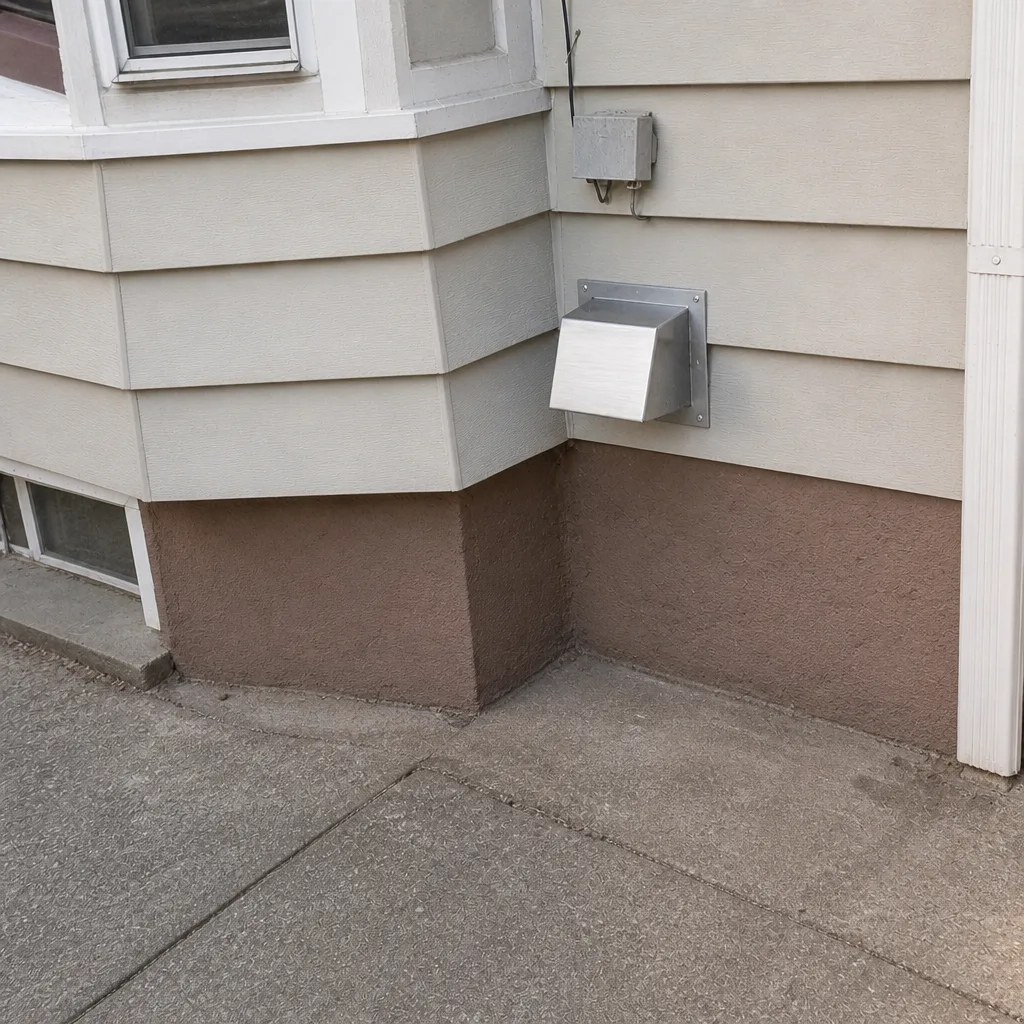
Whole-system duct and dryer vent check with before-and-after photos - you see exactly what came out of your vents
That "$99 whole-house special" is a bait ad - the real number appears once they are in your hallway, or the "clean" is a shop-vac at the register. We photograph the inside of your ducts before and after instead.
Air Duct Cleaning Permits, Codes & Inspections in Sunset Park, NY: What You Need to Know
Here’s the fact that surprises most Sunset Park homeowners: routine air duct cleaning needs no permit at all in New York City. But the moment a technician cuts a new access panel into your sheet metal, replaces a section of duct, or ties a modified system back into your HVAC equipment, the job can cross into regulated mechanical work. That line matters. A cleaner who makes those changes and walks away without documentation hasn’t just left a seam in your ductwork – they may have left you with a compliance problem that surfaces years later during a building inspection or a home sale. In this guide, we map exactly where maintenance cleaning ends and permitted mechanical work begins in Sunset Park, what documents to ask for, and how to store them so they hold up when someone finally asks.
Quick Answer
Standard air duct cleaning in Sunset Park does not require a permit because it’s classified as maintenance, not construction. A permit becomes necessary when the work involves new access openings cut into ductwork, duct replacement, or changes to the mechanical system that fall under NYC Department of Buildings filing rules. Duct sealing done for energy compliance can also trigger documentation requirements under NYC energy code. When in doubt, ask your contractor which category the job falls into and request written records either way.
Styles & brands we work with
- Whole-home duct cleaning
- Dryer vent cleaning
- Camera inspection
- Sanitizing & deodorizing
Table of Contents
- Maintenance Cleaning vs. Mechanical Work: Where the Line Sits
- What Requires a Permit and What Doesn’t: Specific Examples
- Multi-Family Buildings vs. Single-Family Homes in Sunset Park
- Local Law 97, Energy Code, and Duct Sealing
- What Documentation to Request and How to Store It
- DEP Regulations When Mold Remediation Accompanies Duct Cleaning
- What an Inspector Actually Looks For
- How to Choose a Contractor Who Understands the Rules
Maintenance Cleaning vs. Mechanical Work: Where the Line Sits
The NYC Building Code treats air duct cleaning as maintenance when the work is limited to removing debris from existing ductwork without altering the system. That means no new openings, no replacement sections, no changes to the equipment. Cleaning with professional-grade extraction equipment like the Rotobrush and Nikro systems we use falls squarely into this category. No filing, no permit, no inspection.
Mechanical work is different. Under the building code’s mechanical provisions, any alteration to a duct system that changes its configuration, capacity, or connection to HVAC equipment is treated as construction. That includes cutting new access panels where none existed, replacing damaged duct runs, resizing ducts to fix airflow problems, and adding or relocating registers. Those jobs may require a Department of Buildings filing, and the work typically needs to be done by or under the supervision of a licensed contractor.
Here’s the practical distinction most Sunset Park homeowners miss: a cleaning crew that removes grime and leaves the system as it found it is doing maintenance. A crew that cuts panels to reach the ducts and then seals them permanently has done a small mechanical alteration, even if nobody filed paperwork. That’s not automatically a violation – a single access panel for cleaning is generally accepted – but it needs to be documented and done cleanly so it doesn’t raise questions later.
If you’re unsure which category your job falls into, start with plain air duct cleaning and ask the contractor to flag any point where they’d need to modify the system. A straight answer tells you a lot about how they work.
What Requires a Permit and What Doesn’t: Specific Examples
Nothing beats concrete examples. Here’s how common duct jobs in Sunset Park sort out, based on where the NYC Building Code draws the maintenance-versus-alteration line.
No Permit Typically Required
- Full cleaning of existing supply and return ducts using negative-pressure extraction
- Sanitizing existing ductwork with an approved product, using containment equipment
- Cleaning the air handler and accessible components as part of HVAC cleaning
- Replacing filters with same-size units
- Cleaning a dryer exhaust run as part of dryer vent cleaning
- Sealing small leaks with mastic or approved tape where no duct is being removed or replaced
Permit or Filing May Be Required
- Replacing a section of rigid or flex duct that has collapsed or separated
- Cutting new access panels where the code requires them for inspection or maintenance
- Resizing duct runs to correct airflow or static pressure problems
- Adding, moving, or removing supply or return registers
- Connecting a new duct run to the air handler or furnace
- Any work that changes the mechanical system’s design or capacity
If your contractor proposes duct repair and sealing that involves replacing sections rather than just closing seams, ask directly whether the work will be filed with the Department of Buildings. Duct repair and sealing is one of our core services, and we’re clear with customers about when a job crosses into filing territory before we touch anything.
Multi-Family Buildings vs. Single-Family Homes in Sunset Park
Sunset Park’s housing stock runs the spectrum. The neighborhood has everything from attached rowhouses on side streets to walk-up apartment buildings on Fifth and Eighth Avenues to the larger residential blocks closer to the park itself. That mix creates different rules for different addresses, and property managers feel the difference more than anyone.
Single-Family Homes
Owner-occupied single-family homes in Sunset Park are the simplest case. Routine maintenance cleaning on a one- or two-family home doesn’t require a filing. Larger alterations that involve replacing duct runs or reconfiguring the system may need a permit, and those permits typically must be pulled by a licensed contractor. A homeowner who hires a handyman to splice in a new duct run without a filing is taking a risk if they sell or refinance.
Multi-Family and Mixed-Use Buildings
Larger buildings raise the stakes. When a building has multiple dwelling units and the duct work serves more than one unit – common in walk-ups and mixed-use buildings along the avenues – the mechanical alteration rules apply more strictly. Work that modifies fire-rated assemblies or penetrates rated partitions is scrutinized further. If you’re a property manager, the safest move is to confirm with your architect or expediter whether a filing is needed before duct replacement begins. Cleaning itself is not affected, but repairs that change the building envelope deserve a second set of eyes.
If you’re managing a multi-family property and want a duct cleaning scope that stays clearly inside maintenance boundaries, call and we’ll walk through the layout first.
Local Law 97, Energy Code, and Duct Sealing
Local Law 97 is the piece most duct companies in Sunset Park don’t want to talk about, because it sits outside their comfort zone. The law sets carbon emissions limits for larger buildings and is designed to push owners toward efficiency upgrades. Duct sealing is one of the smaller tools in that toolbox, but it matters more than most owners realize: leaky ducts push heated or cooled air into walls and ceilings where it does nothing for comfort, which drives the system harder and burns more energy.
Here’s the intersection. NYC energy code includes duct sealing requirements for new ductwork and for ducts passing through unconditioned spaces. If you’re sealing ducts as part of an efficiency upgrade – or as part of a larger project aimed at Local Law 97 compliance – the work should be documented even if it doesn’t require a permit on its own. That documentation becomes part of the building’s energy compliance record and can be requested later by an auditor, an expediter, or a lender.
Over the past several years we’ve helped Sunset Park owners connect duct sealing to a broader question: what’s the actual leakage rate, and what does it cost the building? A free estimate is the right place to start that conversation, because the answer depends on the building’s layout and the condition of the existing duct runs, not a generic rule of thumb.
Whether you’re an owner chasing emissions targets or a homeowner who just wants a warmer winter, duct sealing belongs in the conversation. It’s part of the same job as cleaning when we’re on site, and it’s why we use professional-grade systems rather than a shop vacuum and a prayer.
What Documentation to Request and How to Store It
Every duct job in Sunset Park – cleaning, repair, sealing, or sanitizing – should leave you with paperwork. Not because the city demands it for routine work, but because the next owner, appraiser, or inspector will ask. Here’s the short list of what to collect, and the exact steps for keeping it useful.
What to Ask For
- Written scope of work before the job starts, describing exactly what will be cleaned and whether any panels, ducts, or components will be modified
- Before-and-after photos of the ducts, air handler, and any access openings cut during the job
- Sanitizing product name and application notes if you had the system sanitized, especially if anyone in the household has allergies or sensitivities
- Permit or filing number if a permit was pulled, with the sign-off date once the inspection clears
- Receipts and contractor contact info on one sheet so future owners can verify the work
How to Store It
- Keep a paper file in the same place you keep your boiler service records, roof warranty, and any other home system paperwork
- Photograph each page and store the images in a cloud folder named by year and system
- Attach the written scope to your closing documents if you’re preparing to sell
- For multi-family properties, keep a unit-by-unit binder or digital folder so a future inspector can trace work to a specific address
The habit takes ten minutes and it pays off at resale, at refi, and any time a city inspector knocks.
DEP Regulations When Mold Remediation Accompanies Duct Cleaning
Mold inside ducts is the scenario that turns a routine cleaning job into a regulated one. The NYC Department of Environmental Protection regulates mold assessment and remediation in the city, and the assessment and remediation phases must be performed by different parties in many circumstances. That means the company that finds mold cannot always also be the company that remediates it, and the paperwork needs to line up.
Here’s how we handle it. We clean and inspect ductwork. When we find visible microbial growth, we flag it. If the situation calls for actual remediation rather than cleaning, we refer out, because mold remediation is a licensed, regulated scope that requires its own assessor and its own protocol. That’s not a service we offer, and we’d rather tell you that plainly than pretend it’s part of a cleaning job.
What we can do is make sure the cleaning itself doesn’t spread contamination. That’s why we use Abatement Technologies negative-air equipment with HEPA-level filtration on sanitizing jobs. Containment keeps dust and debris from migrating into the rest of the home during the cleaning, which is exactly what you want if there’s any microbial concern in the system. A crew that vacuums without containment can make a small mold issue into a larger one before anyone realizes what happened.
If you’re dealing with musty odors in a Sunset Park apartment or home, the first step is a proper inspection and a candid conversation about what’s actually going on. We don’t guess.
What an Inspector Actually Looks For
If a Department of Buildings inspection is scheduled – usually because a mechanical alteration was filed – the inspector is looking for a specific set of conditions. Knowing them in advance saves everyone a second visit.
- Work matches the filed scope. The ducts, equipment, and configuration should match what was approved.
- Access panels are properly sized and sealed. Panels cut for maintenance or inspection need to be correctly constructed and closed, not left hanging loose.
- Fire dampers and fire-rated assemblies are intact. If ductwork penetrates a rated wall, the damper must be functional and the assembly restored.
- Connections are mechanically secure. Joints should be sealed, taped, or fastened per code, not relying on friction alone.
- Ventilation is verified. Supply and return flows should be within design range.
For routine cleaning jobs that never required a permit, no formal inspection happens. But if a future buyer’s inspector walks the basement, opens a duct panel, and finds a sloppy splice or a disconnected run, the conversation turns into a price negotiation fast. Good documentation and clean work solve that problem before it exists.
How to Choose a Contractor Who Understands the Rules
The duct cleaning industry has a reputation problem, and it’s earned. Coupon-driven crews often quote one number on the phone and another on the invoice after the technician arrives. In Sunset Park, where a lot of the housing stock has original ductwork that’s been touched by multiple contractors over the years, that gap between the quote and the bill can be wide.
Here’s what to ask before you book anyone.
- Will you give me a written scope before the job starts? Any hesitation is a red flag.
- Is the price flat per system, or per vent? Flat per system is fairer and prevents the sticker shock game.
- Do you take before-and-after photos? If they don’t, you can’t verify the work.
- Will you flag any work that crosses into filed mechanical territory? A contractor who knows the code will tell you before they start cutting.
- What equipment are you bringing? Professional systems like Rotobrush and Nikro extract debris other methods leave behind. Consumer vacuums and shop vacs don’t.
- Are you insured? The local pro who performs the work should be licensed and insured as the state requires.
One flat price per system, agreed before work starts, is the standard we hold ourselves to. We answer 24/7 on the phone line, and we send a written estimate before anything is scheduled. Our technicians have up to 9 years of experience in the field, and they’ve seen what happens when a previous crew skipped steps – the debris, the loose ducts, the patchwork the next contractor has to sort out.
Common Mistakes to Avoid
- Assuming routine cleaning needs a permit. It doesn’t, and a contractor who tries to charge you for a “permit” on a basic cleaning job is inventing a fee. Ask for a written scope, not a permit add-on.
- Skipping documentation on a repair. Cutting a new access panel or replacing a duct section without any record is asking for trouble at resale. Keep the before-and-after photos even when the city doesn’t require a filing.
- Treating multi-family work like single-family work. A walk-up building on Fifth Avenue isn’t the same as a rowhouse on a side street. Confirm the filing requirements before duct replacement begins, especially in mixed-use buildings.
- Hiring a mold remediation crew to clean ducts, or a duct cleaner to remediate mold. In NYC, DOT-restricted mold work has its own licensing rules. Keep the scopes separate and make sure both contractors know who’s doing what.
- Overlooking Local Law 97 documentation on sealing work. Even when no permit is filed, sealing done as part of an efficiency project should be documented for the building’s carbon record.
- Ignoring the dryer vent on a multi-system cleaning. A dryer vent is a separate run with its own fire risk, and it’s easy to leave off the scope. A proper job covers it.
- Booking on the lowest coupon price and getting the surprise invoice. Ask flat price per system, per job, before anyone climbs the ladder.
See the difference
 Before
 After
 Before
 After
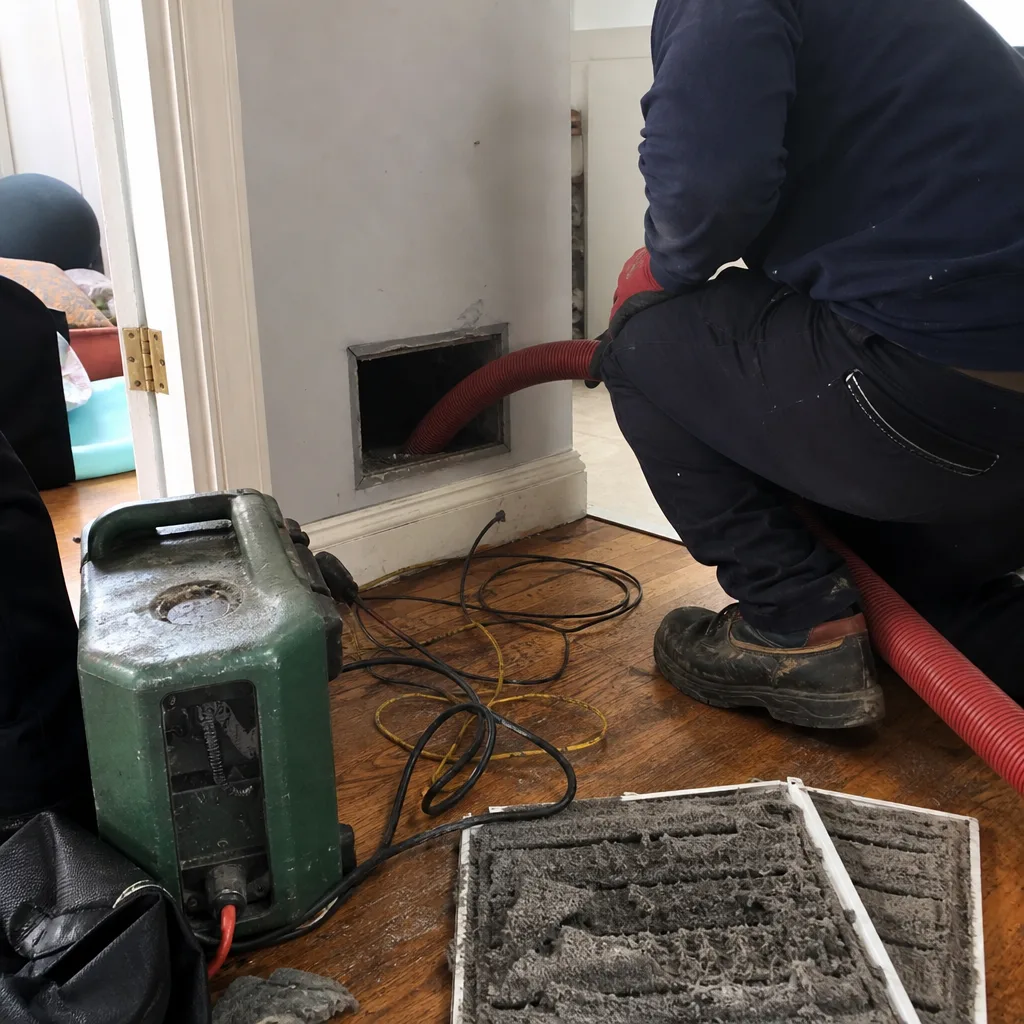 Before
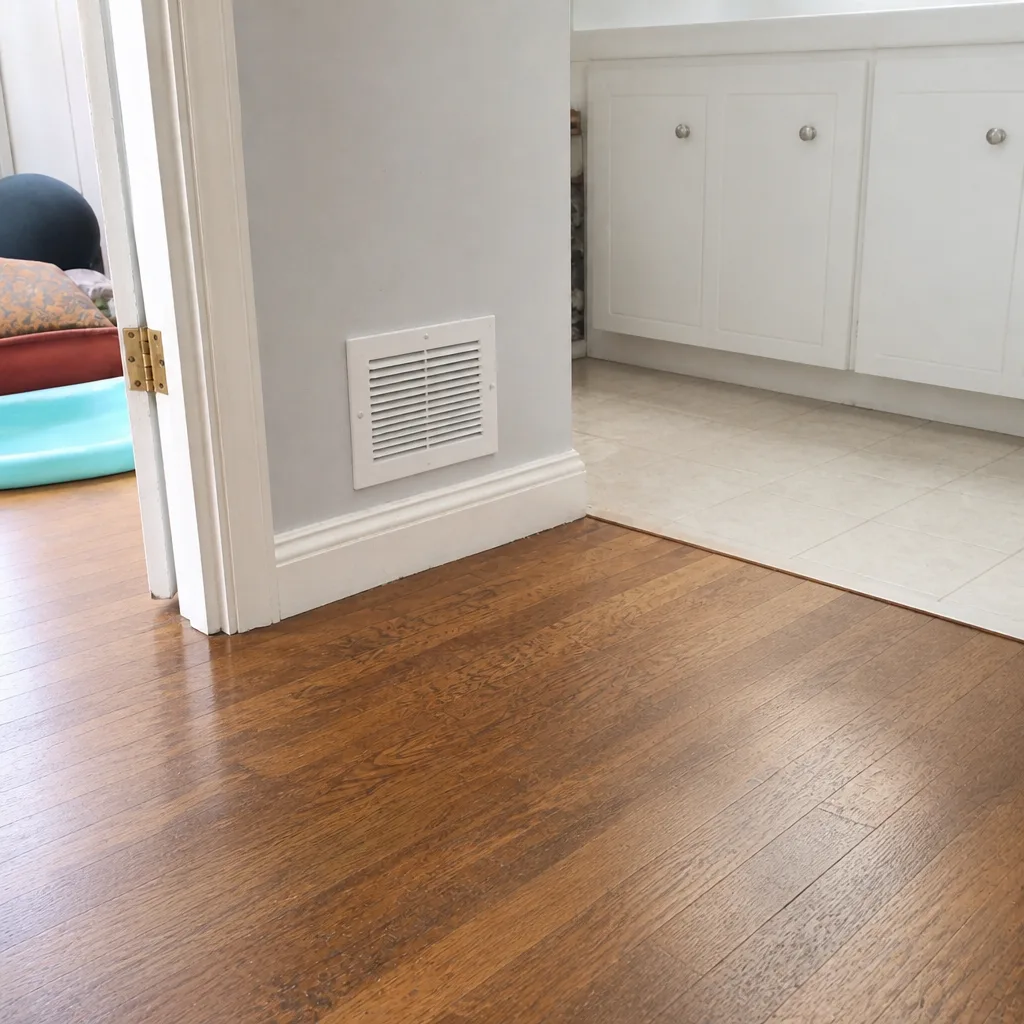 After
When to Call a Professional
Call a professional when you’re seeing dust blowing out of supply registers after a filter change, when the system smells musty whenever it kicks on, when you’ve found a collapsed or disconnected duct during a basement walk-through, or when a dryer is taking two cycles to finish a load. Rough inspection findings, a pending CO inspection, or a home sale all warrant a documented cleaning and inspection. Those are the moments when guessing costs more than calling.
Air Duct Cleaning Sunset Park offers free estimates in Sunset Park – call (844) 351-1795. We answer 24/7, and fast dispatch runs from 7am to 7pm, Sunday through Friday. Every written estimate is flat per system, agreed before work starts, with before-and-after photos of your ducts included.
Frequently Asked Questions
No. Routine air duct cleaning is classified as maintenance, not construction, so no permit is required under the NYC Building Code. A permit becomes necessary when the work involves cutting new access panels, replacing duct sections, or otherwise altering the mechanical system. If you’re unsure which category your job falls into, ask the contractor to explain in writing before work begins.
Cleaning removes debris from existing ductwork without altering the system. Repair changes the ductwork – replacing sections, cutting access panels, resizing runs – and may trigger Department of Buildings filing requirements. If your job only needs cleaning, you’re in maintenance territory. If a duct is collapsed, separated, or needs new panels cut, ask whether the repair will be filed and keep the documentation.
Local Law 97 sets carbon emissions limits, and duct sealing helps buildings meet them by stopping air loss. Sealing done as part of an efficiency upgrade should be documented even when no permit is pulled, because the record can be requested later during an audit or when refinancing. The work and the documentation should be planned together, not separately.
Not always. NYC DEP regulations handle mold assessment and remediation differently from duct cleaning, and in many circumstances the assessment and remediation must be done by different parties. We clean and inspect ducts. If we find microbial growth that calls for remediation, we refer it out to licensed professionals rather than pretending it’s part of a cleaning job.
Keep the written scope, before-and-after photos, an inventory of any access panels cut, any permit or filing sign-off, and receipts with the contractor’s contact info. Store paper copies with the home’s system records and photograph each page to a cloud folder. That file gets pulled out at resale, at refinance, and during any city inspection.
Cheap quotes are usually per-vent teasers that balloon once the technician is on site, or they skip containment, skip photos, and skip the air handler entirely. Ask for a flat price per system, a written scope, before-and-after photos, and the equipment the crew will use. The Rotobrush and Nikro systems we run don’t cut corners – and neither does our pricing. Call (844) 351-1795 for an exact quote; estimates are free.
The Bottom Line
Most air duct cleaning in Sunset Park is maintenance and needs no permit. The confusion comes when a job edges into mechanical territory – new panels, duct replacement, system changes – and nobody documents it. Know the difference before you book, ask for a written scope and before-and-after photos on every job, and keep the file. If the work touches Local Law 97 compliance or mold remediation, the paperwork gets heavier and the contractor list gets shorter. Duct repair and sealing is where the code line actually sits, and it’s exactly where a careful contractor will slow down and explain before cutting anything.
If you want a crew that knows this neighborhood’s code reality, call (844) 351-1795 for a free estimate. We answer 24/7, fast dispatch runs from 7am to 7pm Sunday through Friday, and every job starts with a flat price per system and a written scope.
Written by the team at Air Duct Cleaning Sunset Park.